
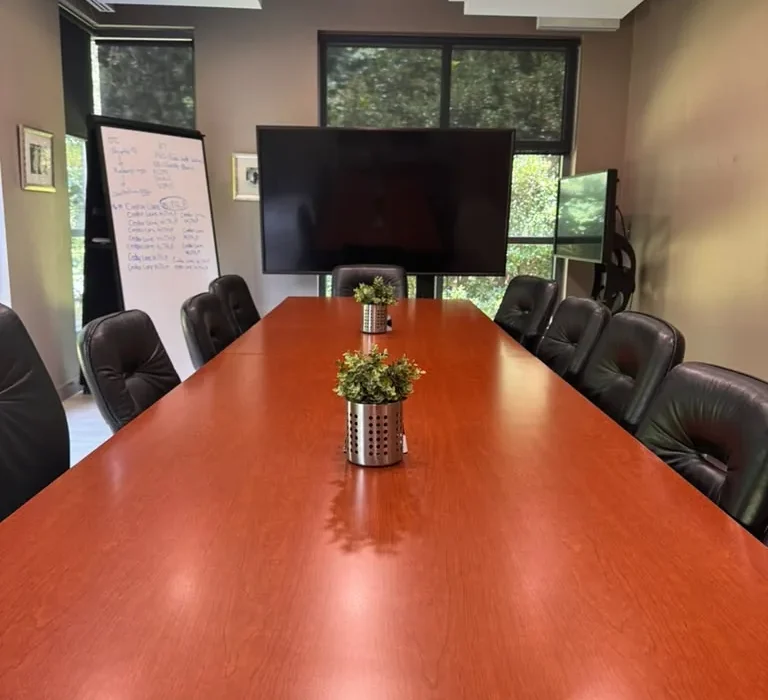
The Hidden Costs of Traditional Office Leases vs. Flexible Workspace in Georgia
In today’s fast-paced business environment, the choice between traditional office leases and flexible workspace solutions has significant implications for businesses in Georgia. While many organizations may initially perceive traditional office leases as the more cost-effective option, hidden costs often outweigh the apparent savings. This article delves deeply into the nuances of both options, helping you understand the true financial impact of your workspace decisions. By the end, you’ll have a clearer picture of the potential pitfalls of traditional leases and the benefits of flexible workspaces, such as those offered by World Park, a modern campus designed for startups and technology-driven organizations in Alpharetta, GA.
Understanding Traditional Office Leases
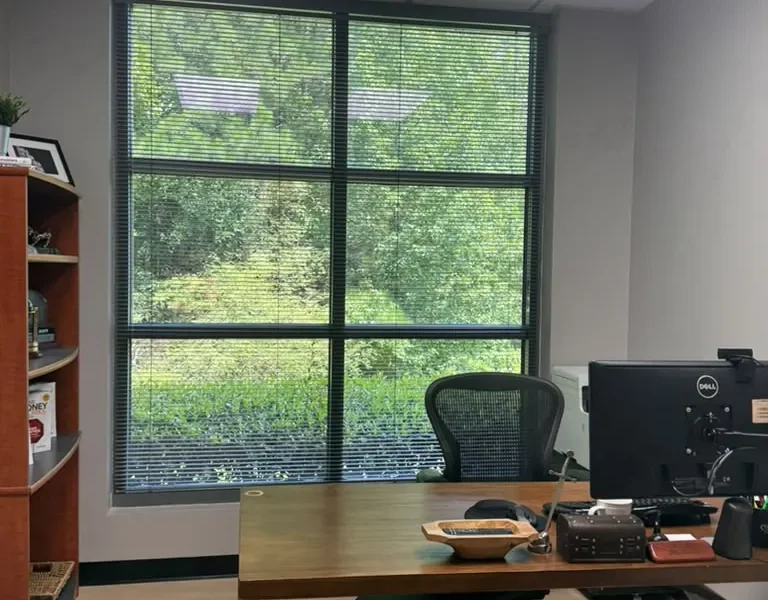
Traditional office leases have long been the standard choice for businesses, providing a dedicated space for operations. Typically, these leases range from 3 to 10 years, often requiring significant financial commitments. Companies must account for rent, utilities, maintenance, and other associated costs, which can quickly add up. According to the NAIOP Office Space Trends Report, businesses can expect to spend an average of $20 to $50 per square foot annually on office space, not including other expenses.
The Rise of Flexible Workspaces
Flexible workspaces, such as coworking spaces and shared offices, have emerged as a modern solution to the limitations of traditional leases. These spaces offer businesses the flexibility to scale up or down based on their needs without long-term commitments. In Georgia, particularly in the Atlanta metropolitan area, flexible workspaces have gained traction among startups and small businesses seeking cost-effective and collaborative environments.
World Park is at the forefront of this trend, providing private offices, coworking spaces, podcast studios, and video production facilities. With flexible membership plans and a startup-friendly ecosystem, World Park empowers businesses to thrive without the burdens of traditional leases.
Comparing Costs: Traditional Leases vs. Flexible Workspaces
Understanding the financial implications of traditional office leases versus flexible workspaces requires a comprehensive analysis. Below is a comparison table that highlights the key differences in cost structures:
| Cost Factor | Traditional Office Leases | Flexible Workspaces |
|---|---|---|
| Lease Duration | 3-10 years | Month-to-month or flexible terms |
| Initial Investment | First and last month’s rent, security deposit, build-out costs | Minimal or no upfront costs |
| Monthly Rent | Higher, fixed rates | Variable rates based on usage |
| Utilities and Maintenance | Typically the tenant’s responsibility | Included in membership fees |
| Scalability | Limited, costly to expand | Easy to scale up or down |
Hidden Costs of Traditional Office Leases
While traditional leases may seem straightforward, numerous hidden costs can significantly impact your bottom line. Here are some of the most common hidden costs associated with traditional office leases:
- Maintenance and Repairs: Tenants are often responsible for maintenance and repairs, which can lead to unexpected expenses.
- Utilities: Costs for electricity, water, and internet can add up, especially in larger spaces.
- Property Taxes: Depending on the lease agreement, tenants may be liable for property taxes, further increasing costs.
- Build-Out Costs: Customizing a space to fit your business needs can be expensive, with costs ranging from $50 to $200 per square foot.
- Vacancy Costs: If your business needs to downsize or relocate, you may face vacancy costs for the remaining lease term.
According to the Forbes Business Council, these hidden costs can account for up to 30% of the total cost of office leasing, making it essential for businesses to conduct thorough financial planning.
Benefits of Flexible Workspaces
Flexible workspaces offer numerous advantages that can significantly benefit businesses, especially startups and growing organizations:
- Cost-Effectiveness: With lower upfront costs and inclusive membership fees, flexible workspaces can save businesses money in the long run.
- Networking Opportunities: Coworking spaces foster collaboration and networking, connecting you with like-minded entrepreneurs.
- Access to Amenities: Many flexible workspaces come equipped with professional meeting rooms, high-speed internet, and production studios, eliminating the need for additional investments.
- Increased Agility: The ability to scale your space according to your business needs allows for greater adaptability in a rapidly changing market.
- Work-Life Balance: Flexible hours and a collaborative environment can contribute to improved employee satisfaction and productivity.
Choosing the Right Workspace for Your Business
When deciding between traditional office leases and flexible workspaces, consider the following factors:
- Business Size and Growth Potential: Evaluate your current and projected workforce to determine the space you need.
- Budget: Analyze your budget to understand how much you can allocate towards office space.
- Location: Consider the importance of location for your business and your employees.
- Company Culture: Think about how your workspace will reflect your company culture and values.
- Future Needs: Anticipate any changes in your business that may require adjustments to your workspace.
At World Park, we offer a range of flexible membership options designed to accommodate the diverse needs of startups and entrepreneurs. Our modern coworking space in Alpharetta provides a collaborative environment that fosters innovation and growth.
Conclusion
The decision between traditional office leases and flexible workspaces is not merely a financial one; it encompasses a strategic approach to how your business operates. By understanding the hidden costs associated with traditional leases and the numerous benefits of flexible workspaces, businesses in Georgia can make informed decisions that align with their growth objectives. World Park stands ready to support your journey, providing the infrastructure and community needed for success in today’s competitive landscape.
FAQ
What are the main hidden costs of traditional office leases?
Common hidden costs include maintenance and repairs, utilities, property taxes, build-out costs, and vacancy costs.
How do flexible workspaces save money?
Flexible workspaces typically have lower upfront costs, inclusive membership fees, and allow businesses to scale based on their needs.
What amenities do flexible workspaces offer?
Many flexible workspaces provide professional meeting rooms, high-speed internet, and production studios, among other amenities.
Can traditional office leases be more beneficial for certain businesses?
Yes, businesses with stable long-term needs and a desire for a permanent location may benefit from traditional leases.
How does coworking foster collaboration?
Coworking spaces bring together diverse professionals, encouraging networking and collaboration among different industries.
What should I consider when choosing a workspace?
Evaluate business size, budget, location, company culture, and future needs when selecting a workspace.
Are flexible workspaces suitable for large companies?
Yes, many flexible workspaces can accommodate large teams and offer customizable solutions.
How do I find a flexible workspace in Georgia?
Research local options, such as World Park in Alpharetta, and consider your specific needs and budget.
- What to Look for in a Private Office: Amenities, Location & Infrastructure Checklist
- The Complete Guide to Business Address Services in Alpharetta
- The Alpharetta Business Owner’s Manifesto: Build Bigger, Work Smarter, Grow Faster
- Why 2026 Is the Year to Go All-In on Alpharetta as Your Business Base
- IoT and Smart Office Technology: Building an Intelligent Workspace
