

Expert Guide: Transitioning Your Team from Home Office to Coworking Space
The shift from a home office to a professional coworking space can be a transformative experience for your team. As remote work becomes increasingly prevalent, many organizations are recognizing the myriad benefits of transitioning to a coworking environment. Not only does this change foster collaboration and innovation, but it also enhances productivity and employee satisfaction. In this comprehensive guide, we will explore the essential steps to ensure a smooth transition, the advantages of coworking spaces, and how World Park in Alpharetta, GA, can support your team during this pivotal change.
Understanding the Need for Transition
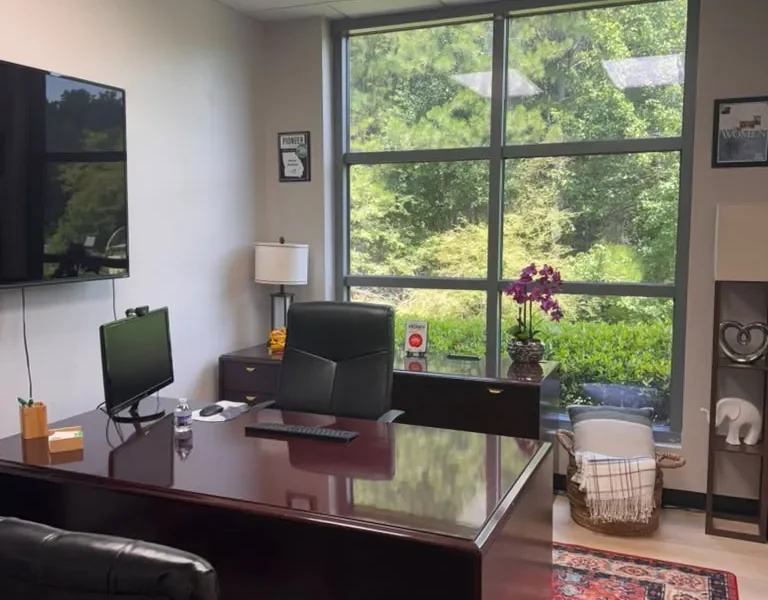
The pandemic has reshaped the way we perceive workspaces. While many teams initially adapted to remote work, the long-term implications of a home office setup have become evident. Employees often face challenges such as isolation, distractions, and difficulty in maintaining work-life balance. Transitioning to a coworking space can mitigate these issues, providing a structured environment that encourages collaboration and creativity.
Benefits of Coworking Spaces
Before diving into the transition process, let’s explore the key advantages of coworking spaces:
- Enhanced Collaboration: Coworking spaces foster an environment where diverse professionals can share ideas, leading to innovative solutions.
- Networking Opportunities: Being part of a coworking community provides access to valuable networking events, which can propel your business forward.
- Flexible Work Arrangements: Coworking spaces offer a range of options, from hot desks to private offices, allowing you to scale according to your team’s needs.
- Professional Amenities: Many coworking spaces, like World Park, provide state-of-the-art technology, meeting rooms, and production studios, enhancing productivity.
- Work-Life Balance: A dedicated workspace helps employees separate work from home life, improving overall well-being.
Statistical Insights
According to a study by Gallup, organizations that foster employee engagement see a 21% increase in profitability. Transitioning to a coworking space can significantly enhance employee engagement by creating a collaborative and dynamic work environment.
Assessing Your Team’s Needs
Before making the leap, conduct a thorough assessment of your team’s needs. Consider the following:
- Team Size: Determine how many employees will be transitioning and their workspace requirements.
- Work Style: Identify whether your team thrives in collaborative environments or requires more focused, private spaces.
- Technology Needs: Assess the technological requirements your team needs to operate effectively, such as high-speed internet or specialized software.
Gathering this information can be achieved through surveys or team meetings, ensuring everyone’s voice is heard in the decision-making process.
Choosing the Right Coworking Space
Selecting the ideal coworking space is crucial for a successful transition. Here are factors to consider:
- Location: Choose a space that is convenient for your team to access. World Park, located in Alpharetta, GA, offers a prime location for businesses looking to thrive in a vibrant community.
- Amenities: Evaluate the amenities offered, such as meeting rooms, event spaces, and technology infrastructure. World Park provides enterprise-grade technology and professional production studios, making it an excellent choice for startups and media producers.
- Community Culture: Visit potential coworking spaces to gauge their community culture. Look for environments that align with your team’s values and work ethic.
Planning the Transition
Once you’ve selected a coworking space, it’s time to plan the transition. Here’s a step-by-step guide:
- Develop a Timeline: Establish a timeline for the transition, including key milestones such as the final day in the home office and the first day in the coworking space.
- Communicate with Your Team: Keep your team informed throughout the process. Transparency fosters trust and eases any concerns about the transition.
- Set Up the New Workspace: Collaborate with the coworking space management to set up your team’s designated area. Ensure that all technology and amenities are in place before the move.
- Plan for a Launch Day: Organize a launch day for your team to celebrate the transition. This can include a team-building activity or a welcome event at the coworking space.
Implementing the Transition
As your team embarks on this new chapter, consider the following tips for a smooth implementation:
- Encourage Team Bonding: Foster a sense of community by organizing team lunches or informal gatherings in the coworking space.
- Utilize Amenities: Encourage your team to take advantage of the amenities offered, such as meeting rooms and event spaces. This can increase productivity and collaboration.
- Gather Feedback: Regularly solicit feedback from your team about their experiences in the coworking space. Use this information to make adjustments and improvements.
Expert Insights
Nurturing the New Work Culture
Transitioning to a coworking space is not just about changing locations; it’s about fostering a new work culture. Here are some strategies to nurture this culture:
- Promote Open Communication: Encourage open dialogue among team members to foster collaboration and innovation.
- Celebrate Achievements: Recognize and celebrate team accomplishments, both big and small, to build morale and motivation.
- Facilitate Professional Development: Offer opportunities for professional growth, such as workshops or networking events hosted by the coworking space.
FAQs
1. What are the benefits of moving from a home office to a coworking space?
Transitioning to a coworking space enhances collaboration, provides professional amenities, and fosters a sense of community among team members.
2. How can I assess my team’s needs before the transition?
Conduct surveys or team meetings to gather information on team size, work style, and technology requirements.
3. What should I look for when choosing a coworking space?
Consider location, amenities, community culture, and the flexibility of workspace options.
4. How can I ensure a smooth transition for my team?
Develop a clear timeline, communicate transparently with your team, and encourage team bonding in the new space.
5. What role does technology play in a coworking space?
Coworking spaces often provide advanced technology and infrastructure, which can enhance productivity and efficiency for teams.
6. How can I nurture a positive work culture in a coworking space?
Promote open communication, celebrate achievements, and facilitate professional development opportunities.
7. Are coworking spaces suitable for all types of businesses?
Coworking spaces are ideal for startups, freelancers, and businesses looking for flexibility and collaboration opportunities.
8. What is the cost comparison between a home office and a coworking space?
Costs can vary widely, but coworking spaces offer flexible plans that can be more economical than maintaining a dedicated office.
9. How do I handle team members who are resistant to the change?
Address concerns directly, provide support, and highlight the benefits of the new workspace to ease the transition.
10. Can a coworking space boost employee productivity?
Yes, a well-designed coworking space can enhance focus, collaboration, and overall productivity.
11. What amenities should I prioritize in a coworking space?
Look for high-speed internet, meeting rooms, event spaces, and access to professional networking opportunities.
12. How can I leverage the coworking community for business growth?
Engage with other professionals through networking events and collaboration opportunities within the coworking space.