
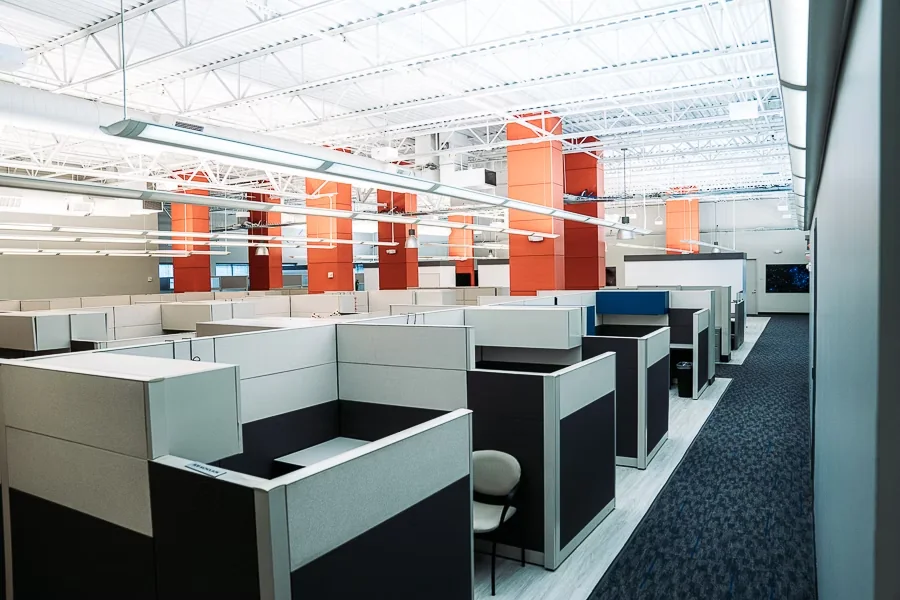
The Environmental Benefits of Shared Office Spaces vs. Individual Offices
In recent years, the workplace landscape has undergone significant transformations, with more businesses opting for shared office spaces rather than traditional individual offices. This shift isn’t just about cost savings or flexibility; it also carries substantial environmental benefits. In this article, we will explore how shared office spaces contribute to sustainability and why they are increasingly becoming the preferred choice for entrepreneurs and businesses alike, particularly in thriving hubs like Alpharetta, Georgia.
Shared office spaces, often known as coworking spaces, offer a modern campus for startups, media production, and technology infrastructure. At World Park, we understand the importance of creating an innovative ecosystem that not only supports business growth but also promotes environmental consciousness. Here, we will delve into the myriad ways that shared office environments can minimize ecological footprints compared to individual offices.
1. Understanding Shared Office Spaces

Shared office spaces are collaborative environments where individuals from different companies work together in a shared area. These spaces are designed to foster collaboration, creativity, and networking among tenants. Unlike traditional offices that require individual leases and dedicated resources, coworking spaces offer flexible membership plans and shared amenities, reducing overhead costs significantly.
According to a study by Gartner, the trend towards flexible workspaces is on the rise, with 75% of organizations re-evaluating their workplace strategies. This shift not only reflects changing work preferences but also highlights a growing awareness of the environmental implications associated with office spaces.
2. The Environmental Impact of Individual Offices
Individual offices, while offering privacy and a dedicated workspace, come with a host of environmental concerns. Traditional office setups often lead to:
- Higher Energy Consumption: Individual offices often operate on a 24/7 schedule, resulting in excessive energy use for lighting, heating, and cooling.
- Increased Waste: Individual offices generate more waste through single-use items such as plastic cups, paper, and packaging materials.
- Transportation Emissions: Employees commuting to individual offices contribute to increased carbon emissions, particularly in urban areas.
A report from the U.S. Environmental Protection Agency (EPA) estimates that buildings account for 39% of total energy use and 68% of electricity consumption in the United States. The need for more sustainable office solutions is evident, making shared office spaces a compelling alternative.
3. Key Environmental Benefits of Shared Office Spaces
Shared office spaces present several environmental advantages over traditional individual offices:
3.1. Reduced Energy Consumption
Shared office spaces optimize energy usage by consolidating resources. With multiple businesses sharing a single location, energy consumption is distributed across various tenants. This leads to:
- Efficient Use of Resources: Shared spaces often implement energy-efficient systems, such as LED lighting and smart thermostats, which reduce overall energy consumption.
- Lower Carbon Footprint: By sharing resources, businesses can significantly decrease their carbon emissions compared to operating individual offices.
3.2. Waste Reduction
Waste management is a critical component of sustainability, and shared office spaces excel in this area:
- Centralized Recycling Programs: Many coworking spaces implement comprehensive recycling and composting programs, reducing landfill waste.
- Encouragement of Sustainable Practices: Shared spaces foster a culture of sustainability, encouraging members to adopt eco-friendly practices, such as using reusable containers and minimizing paper usage.
3.3. Promoting Public Transportation and Reduced Commuting
Shared office spaces are often located in urban centers where public transportation is easily accessible. This promotes:
- Less Reliance on Personal Vehicles: With convenient access to public transport, employees are more likely to commute using eco-friendly options, reducing traffic congestion and lowering emissions.
- Flexible Work Arrangements: Many coworking spaces support remote work and flexible hours, decreasing the number of employees commuting daily.
3.4. Green Building Certifications
Many shared office spaces are designed with sustainability in mind, often achieving green building certifications such as LEED (Leadership in Energy and Environmental Design). These certifications indicate:
- Use of Sustainable Materials: Green-certified buildings utilize sustainable construction materials, minimizing environmental impact.
- Efficient Water Usage: Many coworking spaces incorporate water-saving fixtures and systems that reduce water consumption.
3.5. Community Engagement and Environmental Awareness
Shared office spaces often organize events and workshops focused on sustainability, fostering a community that prioritizes environmental responsibility. This includes:
- Networking Events: Many coworking spaces host events that connect environmentally conscious businesses, encouraging collaboration on sustainable initiatives.
- Education and Advocacy: By providing resources and educational opportunities, shared spaces raise awareness about environmental issues among their members.
4. Case Studies: Successful Shared Office Models
Several shared office spaces around the world have successfully implemented eco-friendly practices. Here are a few notable examples:
4.1. WeWork
WeWork has pioneered sustainable coworking environments with initiatives such as:
- Implementing energy-efficient lighting and HVAC systems.
- Offering recycling and composting programs in all locations.
- Designing spaces with sustainable materials and furnishings.
4.2. The Hive
The Hive, a coworking space in Hong Kong, emphasizes sustainability by:
- Utilizing reclaimed wood and recycled materials in their design.
- Implementing a zero-waste policy that encourages members to minimize waste.
- Promoting community engagement through sustainability workshops.
4.3. World Park in Alpharetta
Here at World Park, we embody the principles of sustainability through our modern campus designed for startups and technology-driven organizations. Our facilities include:
- Energy-efficient private offices and coworking environments.
- Support for content creation and media production in eco-friendly studios.
- Networking events that connect entrepreneurs with a focus on sustainability.
5. Tips for Choosing an Eco-Friendly Coworking Space
When selecting a coworking space, consider the following tips to ensure you choose an environmentally friendly option:
- Assess Sustainability Certifications: Look for spaces with LEED or similar certifications that demonstrate a commitment to sustainability.
- Inquire About Energy Efficiency: Ask about energy-efficient practices and technologies implemented in the space.
- Check Waste Management Practices: Ensure the space has robust recycling and composting programs in place.
- Evaluate Location: Choose a space that is accessible by public transportation to minimize your carbon footprint.
- Engagement in Sustainability Initiatives: Look for spaces that actively promote sustainability through events and educational resources.
6. Future Trends in Sustainable Workspaces
The future of workspaces is leaning heavily towards sustainability. Some emerging trends include:
6.1. Biophilic Design
Incorporating natural elements into workspace design can enhance employee well-being and productivity while promoting environmental consciousness. Expect to see more shared spaces integrating plants and natural lighting to create healthier environments.
6.2. Smart Technology Integration
As technology advances, shared office spaces will increasingly utilize smart systems to monitor and optimize energy usage, contributing to sustainability efforts.
6.3. Circular Economy Practices
Shared office spaces are likely to adopt circular economy principles, focusing on minimizing waste and maximizing resource use through recycling and repurposing materials.
7. Frequently Asked Questions
What are shared office spaces?
Shared office spaces are collaborative work environments where individuals from different companies share facilities, resources, and amenities.
How do shared office spaces reduce environmental impact?
They optimize resource usage, reduce energy consumption, and promote sustainable practices among members.
What are some examples of eco-friendly coworking spaces?
Notable examples include WeWork, The Hive, and World Park in Alpharetta, which all prioritize sustainability in their operations.
How can I find a sustainable coworking space?
Look for spaces with sustainability certifications, energy-efficient practices, and robust waste management programs.
What are the benefits of coworking spaces for startups?
Coworking spaces provide flexible leases, networking opportunities, and access to resources that can help startups grow.
How does coworking promote community engagement?
Many coworking spaces organize events and workshops that foster collaboration and awareness around sustainability and innovation.
Are shared office spaces more cost-effective?
Yes, shared office spaces often offer lower overhead costs compared to traditional individual office setups.
What future trends can we expect in coworking spaces?
Emerging trends include biophilic design, smart technology integration, and circular economy practices that enhance sustainability.
8. Conclusion
As we have explored, the environmental benefits of shared office spaces are substantial when compared to traditional individual offices. From reduced energy consumption and waste to fostering community engagement and sustainable practices, coworking spaces like World Park in Alpharetta are leading the way in creating a more sustainable future for businesses. By choosing shared office spaces, organizations not only save on costs but also contribute positively to the environment. As the landscape of work continues to evolve, embracing sustainable practices in our workspaces is not just beneficial; it’s essential for the health of our planet.