
Coworking vs. Serviced Office vs. Traditional Lease: The Ultimate Comparison
As the landscape of work continues to evolve, the choices available for office space have expanded dramatically. Entrepreneurs and businesses today face a critical decision: should they opt for a coworking space, a serviced office, or a traditional lease? Each option presents unique advantages and challenges, making it essential for startups and established companies alike to understand the nuances of these environments. In this comprehensive guide, we will delve into the key differences among coworking spaces, serviced offices, and traditional leases, helping you make an informed decision that aligns with your business needs.
1. Understanding Coworking Spaces
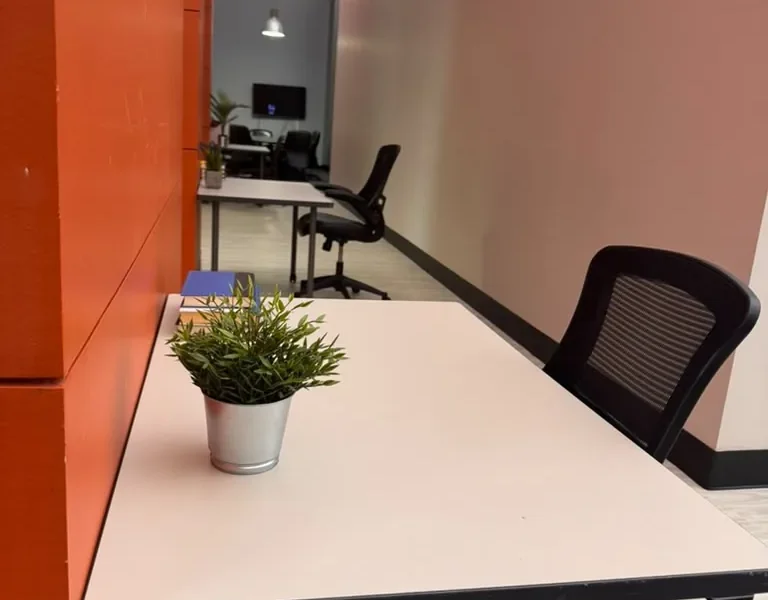
Coworking spaces have revolutionized the way we think about office environments. Designed to foster collaboration and innovation, these shared workspaces offer flexible arrangements that cater to freelancers, startups, and even larger companies looking for a dynamic work environment. At World Park in Alpharetta, GA, we provide modern coworking facilities that blend productivity with community engagement, creating a vibrant ecosystem for business growth.
Coworking spaces typically feature:
- Flexible Membership Plans: Users can choose from daily, weekly, or monthly memberships, allowing for scalability as business needs change.
- Networking Opportunities: Coworking spaces often host events and workshops, facilitating networking among diverse professionals.
- Shared Amenities: From high-speed internet to meeting rooms and kitchen facilities, coworking spaces offer a range of amenities that reduce overhead costs.
According to a report by Forbes, the coworking industry is expected to grow significantly, with more businesses recognizing the value of flexible workspaces.
2. Exploring Serviced Offices
Serviced offices are another popular option for businesses seeking flexibility without the long-term commitment of a traditional lease. These fully furnished offices come equipped with essential services such as reception, IT support, and maintenance, allowing companies to focus on their core activities. At World Park, our serviced office solutions are tailored to meet the needs of startups and established enterprises alike.
Key features of serviced offices include:
- Fully Equipped Spaces: Businesses can move in immediately, as serviced offices include furniture, utilities, and technology.
- Shorter Lease Terms: Typically, serviced offices offer more flexible lease durations, ranging from a few months to several years.
- Administrative Support: On-site staff can assist with administrative tasks, providing businesses with valuable time to concentrate on growth.
According to research by IBISWorld, the serviced office industry has seen steady growth, reflecting a shift towards more flexible working arrangements.
3. The Traditional Lease Model
Traditional leases have long been the standard for businesses seeking office space. Under this model, companies sign a long-term lease agreement for a specified period, often ranging from three to ten years. While traditional leases provide stability, they also come with significant commitments that may not suit all businesses.
Characteristics of traditional leases include:
- Fixed Costs: Businesses are responsible for rent, utilities, maintenance, and other operational costs, which can lead to higher overhead.
- Long-Term Commitment: Signing a multi-year lease can be risky for startups and small businesses that may not have predictable growth trajectories.
- Customizable Space: While traditional leases offer more control over the office layout and design, they often require significant upfront investment.
According to a study by the U.S. Bureau of Labor Statistics, many businesses are reconsidering their long-term office space needs due to the changing nature of work.
4. Head-to-Head Comparison
| Feature | Coworking Space | Serviced Office | Traditional Lease |
|---|---|---|---|
| Flexibility | High | Moderate | Low |
| Cost | Pay-as-you-go | All-inclusive pricing | Fixed costs |
| Lease Duration | Short-term | Flexible | Long-term |
| Furnished/Equipped | Yes | Yes | No |
| Networking Opportunities | Yes | Limited | No |
| Administrative Support | Minimal | Yes | No |
5. Pros and Cons of Each Option
Coworking Spaces
Pros:
- Encourages collaboration and creativity.
- Cost-effective for freelancers and small teams.
- Access to a community of like-minded professionals.
Cons:
- Lack of privacy compared to traditional offices.
- Potential distractions from other members.
- Limited control over the environment.
Serviced Offices
Pros:
- Fully equipped and ready for immediate use.
- Administrative support available.
- Flexible lease terms cater to changing needs.
Cons:
- Higher costs compared to coworking spaces.
- Limited networking opportunities.
- May lack the vibrant community aspect of coworking.
Traditional Leases
Pros:
- Complete control over the office space.
- Long-term stability for established businesses.
- Ability to customize the environment.
Cons:
- High upfront costs and long-term commitment.
- Less flexibility in scaling up or down.
- Responsibility for all operational costs.
6. Choosing the Right Workspace for Your Business
When deciding between coworking, serviced offices, and traditional leases, consider the following factors:
- Your Business Size: Startups and freelancers may benefit more from the flexibility of coworking spaces, while larger companies might prefer serviced offices or traditional leases.
- Your Budget: Assess your financial situation to determine which option aligns with your budget. Coworking spaces often provide a lower-cost entry point.
- Your Growth Plans: Consider your future growth trajectory. If you anticipate rapid expansion, a more flexible option may be ideal.
- Your Work Culture: Reflect on your company culture and how it aligns with each workspace type. Collaborative environments may thrive in coworking spaces, while more traditional settings might suit other businesses.
At World Park, we offer a variety of workspace solutions tailored for different business needs, ensuring that you find the right fit for your organization.
7. Conclusion
In conclusion, the choice between coworking spaces, serviced offices, and traditional leases ultimately depends on your unique business needs. Each option presents distinct advantages and challenges that must be carefully weighed. By understanding the differences and considering factors such as flexibility, cost, and support, you can make an informed decision that sets your business up for success. If you’re in Alpharetta, GA, explore our coworking spaces or serviced offices at World Park, designed to empower entrepreneurs and businesses.
8. Frequently Asked Questions
What is a coworking space?
A coworking space is a shared office environment that offers flexible work arrangements and amenities for freelancers, startups, and businesses.
How do serviced offices differ from coworking spaces?
Serviced offices are fully furnished and equipped, offering more privacy and administrative support compared to coworking spaces, which encourage collaboration.
What are the main advantages of a traditional lease?
Traditional leases provide long-term stability and control over the office space, allowing for customization and a fixed cost structure.
Which option is best for startups?
Coworking spaces are often the best choice for startups due to their flexibility, lower costs, and networking opportunities.
Can I switch from a coworking space to a serviced office?
Yes, many businesses transition from coworking spaces to serviced offices as they grow and require more privacy and dedicated space.
What are the costs associated with each option?
Coworking spaces typically have lower monthly fees, serviced offices have all-inclusive pricing, and traditional leases can involve significant upfront costs.
How long are lease terms for serviced offices?
Lease terms for serviced offices are generally more flexible, ranging from a few months to several years, depending on the provider.
Are coworking spaces suitable for remote teams?
Yes, coworking spaces can be ideal for remote teams looking for a collaborative environment and occasional office access.
What amenities can I expect in a coworking space?
A coworking space typically offers high-speed internet, meeting rooms, kitchen facilities, and networking events.
How can I find the best coworking space for my needs?
Consider factors such as location, amenities, community, and membership options when searching for a coworking space that fits your requirements.
What should I look for in a traditional lease?
When considering a traditional lease, evaluate the lease terms, costs, property condition, and flexibility for future growth.
Can I customize a serviced office space?
While serviced offices are generally furnished, some providers may allow customization to suit your branding and operational needs.
