The State of Hybrid Work in 2026: Why Teams Need a ‘Third Place’ Office
As we stride into 2026, the landscape of work continues to evolve dramatically, particularly in the wake of the hybrid work model that has gained traction over the past few years. The concept of a ‘third place’ office is emerging as a vital solution for teams navigating this new paradigm. A ‘third place’ refers to a space that is neither home nor a traditional office, providing a unique environment that fosters collaboration, creativity, and connection among team members. In this article, we will explore the current state of hybrid work, why teams need a ‘third place’ office, and how innovative workspaces like World Park in Alpharetta, GA, are redefining the future of work.
Understanding Hybrid Work
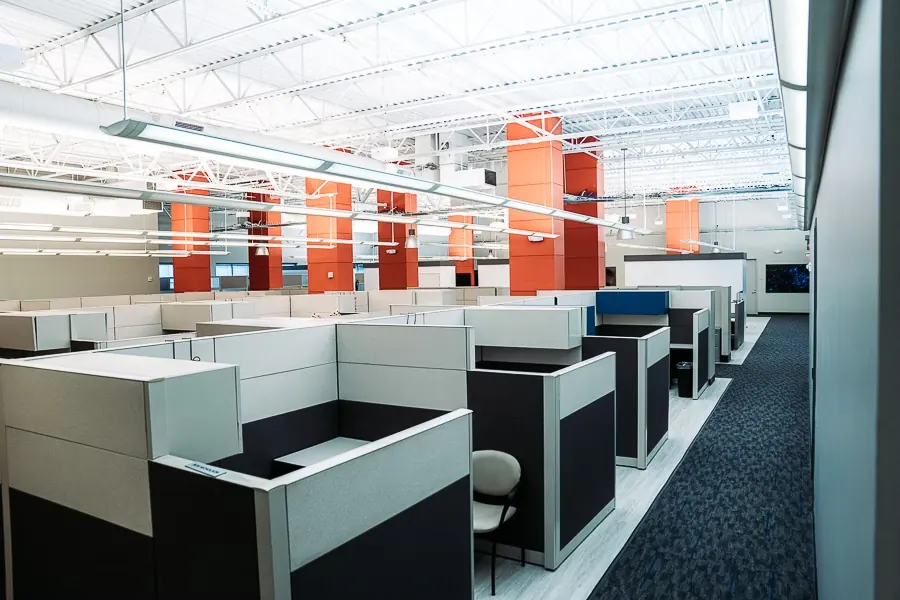
Hybrid work is more than just a trend; it has become a fundamental shift in how organizations operate, blending remote and in-office work to create a flexible environment. According to a 2023 report by the U.S. Government Accountability Office, 70% of employees prefer a hybrid work model, indicating a significant shift in workforce preferences. This model allows employees to enjoy the benefits of remote work while also engaging in face-to-face collaboration when necessary.
As organizations adopt hybrid work, they encounter challenges related to team cohesion, communication, and productivity. The need for a physical space that accommodates these challenges is paramount, leading to the rise of the ‘third place’ office concept.
The Rise of the ‘Third Place’ Office
The ‘third place’ office refers to a collaborative workspace that serves as an alternative to the traditional office and home environments. This concept was initially popularized by sociologist Ray Oldenburg, who identified the importance of informal gathering spots in fostering community and collaboration.
As remote work has become more prevalent, the need for a ‘third place’ has grown. These spaces offer a neutral ground where teams can meet, collaborate, and innovate without the distractions of home or the formalities of a corporate office. According to a study by Harvard Business Review, 85% of employees believe that having access to a third place workspace enhances their productivity and creativity.
Benefits of a ‘Third Place’ Office
Implementing a ‘third place’ office provides numerous advantages for organizations and their employees:
- Enhanced Collaboration: A dedicated space for team interactions fosters collaboration and creativity, leading to innovative solutions and improved team dynamics.
- Increased Flexibility: Employees can choose when and how often to utilize the ‘third place,’ accommodating diverse work styles and preferences.
- Improved Work-Life Balance: A neutral workspace helps delineate professional and personal life, reducing burnout and increasing job satisfaction.
- Networking Opportunities: The ‘third place’ often brings together professionals from various industries, creating networking opportunities that can lead to new partnerships and collaborations.
- Access to Resources: Many ‘third place’ offices provide access to technology, meeting rooms, and professional services that enhance productivity.
Designing Effective Third Place Workspaces
To maximize the benefits of a ‘third place’ office, organizations must carefully consider the design and layout of these spaces. Here are key elements to include:
- Flexible Layouts: Incorporate modular furniture that can be rearranged to suit different group sizes and activities.
- Technology Integration: Equip the space with reliable Wi-Fi, video conferencing tools, and collaborative software to facilitate seamless communication.
- Comfortable Environment: Create a welcoming atmosphere with comfortable seating, natural lighting, and greenery to enhance employee well-being.
- Community Areas: Designate areas for informal gatherings, such as lounges or coffee stations, to encourage spontaneous interactions.
- Private Spaces: Include soundproof rooms for focused work or confidential meetings, ensuring privacy when needed.
Case Study: World Park as a ‘Third Place’
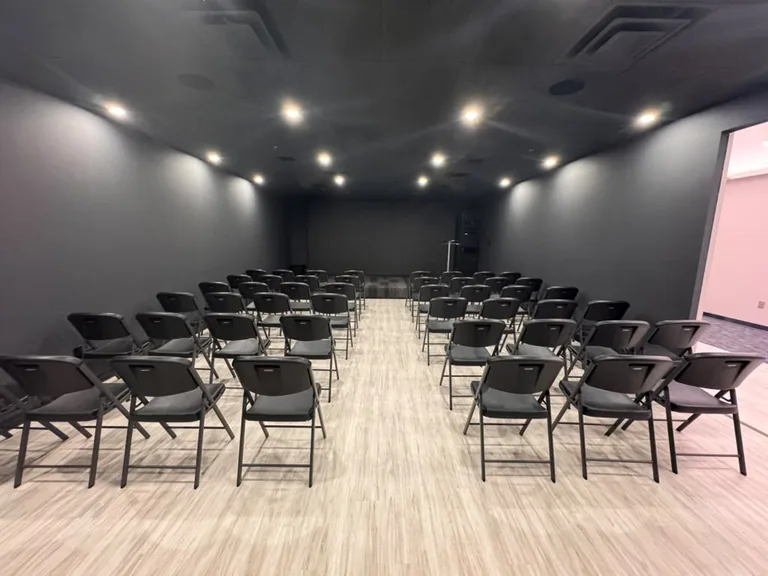
World Park in Alpharetta, GA, exemplifies the modern ‘third place’ office, catering specifically to startups, media production, and technology-driven organizations. With its flexible membership plans and state-of-the-art facilities, World Park offers an ideal environment for collaboration and innovation.
Here are some features that make World Park a standout ‘third place’:
- Professional Podcast and Video Production Studios: Access to fully equipped studios allows content creators to produce high-quality media without the need for extensive investments in equipment.
- Business Networking Events: Regularly hosted networking events provide opportunities for entrepreneurs and freelancers to connect and collaborate.
- Enterprise-Grade Technology Infrastructure: With robust cloud computing and data center solutions, World Park ensures that members have access to the latest technology.
- Innovation-Focused Community: The collaborative environment fosters creativity and support among members, making it an ideal place for startups to thrive.
Challenges and Solutions in Hybrid Work
While hybrid work presents numerous benefits, it also comes with challenges that organizations must address:
- Communication Gaps: Hybrid teams may experience miscommunication due to varying work schedules. Implementing regular check-ins and utilizing collaborative tools can mitigate this issue.
- Employee Isolation: Remote employees may feel disconnected from their teams. A ‘third place’ office can provide a social outlet and foster a sense of belonging.
- Productivity Variability: Some employees may struggle with productivity in a hybrid environment. Establishing clear expectations and providing resources can support consistent performance.
Future Trends in Hybrid Work and Third Places
The future of work will likely see further integration of ‘third place’ offices into hybrid work strategies. Here are some anticipated trends:
- Increased Demand for Flexibility: As employees continue to seek work-life balance, organizations will need to offer flexible workspace options to attract and retain talent.
- Focus on Well-Being: Workspaces that prioritize employee well-being through design and amenities will become more prevalent.
- Blended Work Environments: Organizations will increasingly adopt a mix of remote, in-office, and ‘third place’ work environments to create a more adaptable workforce.
Expert Tips for Implementing a Third Place Strategy
To successfully implement a ‘third place’ strategy, consider the following expert tips:
Frequently Asked Questions
What is a ‘third place’ office?
A ‘third place’ office is a collaborative workspace that serves as a neutral ground for teams, distinct from home and traditional office environments.
Why is hybrid work important?
Hybrid work allows employees to enjoy the flexibility of remote work while maintaining opportunities for in-person collaboration, leading to improved productivity and job satisfaction.
How can a ‘third place’ office enhance team collaboration?
A ‘third place’ office provides a dedicated environment for team interactions, fostering creativity and innovation through informal gatherings and brainstorming sessions.
What features should a ‘third place’ office have?
Key features include flexible layouts, technology integration, comfortable environments, community areas, and private spaces for focused work.
How does World Park serve as a ‘third place’ office?
World Park offers professional podcast and video production studios, business networking events, enterprise-grade technology infrastructure, and an innovation-focused community.
What challenges do hybrid teams face?
Challenges include communication gaps, employee isolation, and productivity variability, which can be addressed through regular check-ins and utilizing collaborative tools.
What are future trends in hybrid work?
Future trends include increased demand for flexibility, a focus on employee well-being, and blended work environments that incorporate remote, in-office, and ‘third place’ options.
How can organizations implement a ‘third place’ strategy?
Organizations can implement a ‘third place’ strategy by conducting employee surveys, fostering a culture of collaboration, and leveraging technology for seamless communication.