

Ultimate Guide: Transitioning from Full-Time Employment to Freelancing in Georgia
Making the leap from full-time employment to freelancing can be both exhilarating and daunting. For many professionals in Georgia, the allure of greater flexibility, the potential for higher earnings, and the opportunity to work on diverse projects are compelling reasons to embrace the freelance lifestyle. However, transitioning to freelancing requires careful planning and strategic execution. In this comprehensive guide, we will explore the essential steps, strategies, and resources to successfully navigate this transition and thrive as a freelancer in Georgia.
Understanding the Freelance Landscape in Georgia
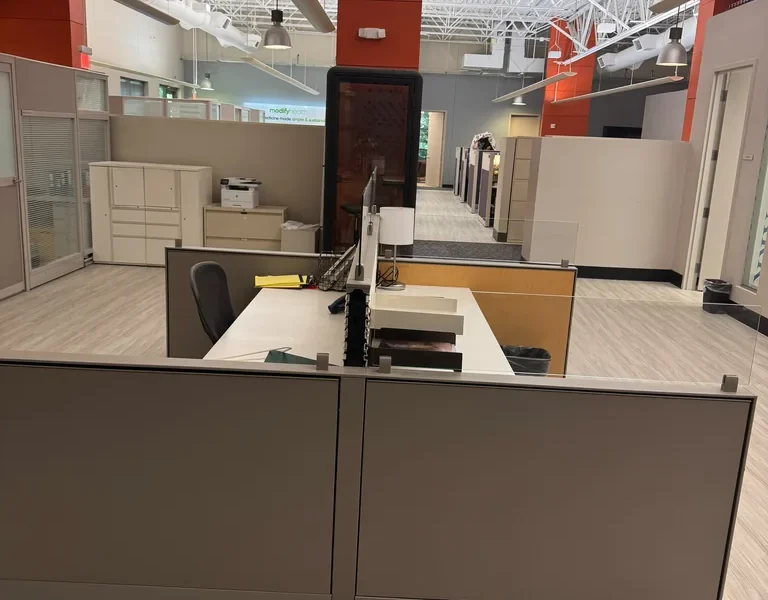
Georgia’s economy is thriving, with a strong focus on technology, creative industries, and entrepreneurship. According to the U.S. Bureau of Labor Statistics, the freelance workforce has been steadily growing, making up a significant portion of the state’s employment landscape. Freelancers in Georgia enjoy the benefits of a supportive community, access to numerous coworking spaces like World Park, and various networking opportunities.
Assessing Your Skills and Market Demand
Before diving into freelancing, it’s crucial to evaluate your skills and determine their demand in the market. Here are some steps to help you assess your readiness for freelancing:
- Identify Your Skills: List your professional skills and experiences. Consider not only your primary expertise but also secondary skills that could be valuable.
- Research Market Demand: Use platforms like Upwork, Freelancer, and Fiverr to explore job postings in your field. Analyze which skills are most sought after and the rates being offered.
- Consider Your Niche: Specializing in a particular niche can help you stand out. Whether it’s digital marketing, graphic design, or software development, find a focus area that aligns with your skills and interests.
Creating a Business Plan for Your Freelance Career
A solid business plan is essential for your freelancing journey. It will serve as a roadmap for your business and help you stay focused on your goals. Here’s how to create one:
- Define Your Goals: Are you looking to replace your full-time income, or is this a side hustle? Set clear, measurable goals.
- Outline Your Services: Specify what services you will offer. Be clear about your deliverables and the value you provide to clients.
- Determine Your Pricing: Research market rates and define your pricing structure. Will you charge hourly, per project, or on retainer?
- Identify Your Target Audience: Understand who your ideal clients are and how you can reach them. Create buyer personas to guide your marketing efforts.
- Establish a Marketing Strategy: Plan how you will promote your services. This could include social media marketing, content marketing, or networking events.
Setting Up Your Freelance Business
Once you have a business plan, it’s time to set up your freelance business legally and operationally:
- Choose a Business Structure: Decide whether you want to operate as a sole proprietor, LLC, or corporation. Each structure has different legal and tax implications. For guidance on business structures, visit the U.S. Small Business Administration.
- Register Your Business: If you choose to form an LLC or corporation, you’ll need to register your business with the Georgia Secretary of State.
- Obtain Necessary Licenses: Depending on your industry, you may need specific licenses or permits. Check local regulations to ensure compliance.
- Set Up Your Workspace: Consider using a coworking space like World Park for a professional environment that fosters productivity and networking.
Building Your Brand and Online Presence
In today’s digital age, having a strong online presence is crucial for freelancers. Here’s how to build your brand:
- Create a Professional Website: Your website should showcase your portfolio, services, and testimonials. Use platforms like WordPress or Squarespace to create a user-friendly site.
- Optimize for SEO: Use keyword research tools to optimize your website for search engines. This will help potential clients find you online.
- Utilize Social Media: Platforms like LinkedIn, Instagram, and Twitter are excellent for promoting your services and connecting with clients and peers.
- Network Online: Join online forums and groups related to your industry. Engage in discussions and share your expertise to build credibility.
Finding Clients and Networking
Finding clients is often one of the most challenging aspects of freelancing. Here are some effective strategies:
- Use Freelance Platforms: Websites like Upwork, Freelancer, and Fiverr can help you find clients quickly. Create a compelling profile and start bidding on projects.
- Leverage Your Network: Let friends, family, and former colleagues know about your freelance services. Word-of-mouth referrals can be powerful.
- Attend Networking Events: Participate in local networking events and workshops. Consider joining entrepreneurial groups in Georgia to meet potential clients.
- Collaborate with Other Freelancers: Partnering with other freelancers can lead to referrals and collaborative projects. Build relationships with those in complementary fields.
Managing Finances and Legal Considerations
Managing your finances is crucial for a successful freelance career:
- Set Up a Business Bank Account: Keep your personal and business finances separate by opening a dedicated business bank account.
- Track Your Income and Expenses: Use accounting software like QuickBooks or FreshBooks to keep track of your finances. This will make tax season much easier.
- Understand Your Tax Obligations: As a freelancer, you’ll need to pay self-employment taxes. Consult the IRS for detailed information on your tax responsibilities.
- Consider Insurance: Look into professional liability insurance to protect yourself from potential claims. This is especially important if you work in fields like consulting or design.
Expert Tips for a Successful Freelance Transition
Here are some additional expert tips:
- Stay Organized: Use project management tools like Trello or Asana to keep track of your tasks and deadlines.
- Keep Learning: Stay updated on industry trends and continuously improve your skills through online courses or workshops.
- Set Boundaries: As a freelancer, it’s easy to blur the lines between work and personal life. Set clear working hours and stick to them.
- Seek Feedback: Regularly ask clients for feedback to improve your services and build long-term relationships.
FAQs
1. What are the benefits of freelancing in Georgia?
Freelancing in Georgia offers flexibility, a growing tech and creative sector, and access to a supportive entrepreneurial community.
2. How do I set my freelance rates?
Research market rates, consider your experience and skill level, and define a pricing structure that reflects the value you provide.
3. Do I need a business license to freelance in Georgia?
Depending on your services, you may need to register your business and obtain specific licenses. Check local regulations for compliance.
4. How can I find clients as a freelancer?
Utilize freelance platforms, leverage your network, attend networking events, and collaborate with other freelancers to find potential clients.
5. What tax obligations do freelancers have in Georgia?
Freelancers are responsible for self-employment taxes and may need to pay estimated taxes quarterly. Consult the IRS for details.
6. How can I build my freelance brand?
Create a professional website, optimize it for SEO, utilize social media, and engage with online networks to establish your brand.
7. What skills are in demand for freelancers in Georgia?
Skills in technology, digital marketing, graphic design, and content creation are highly sought after in Georgia’s freelance market.
8. How can I manage my finances as a freelancer?
Open a business bank account, track your income and expenses, and consider using accounting software for effective financial management.
9. What resources are available for freelancers in Georgia?
Organizations like the Georgia Department of Economic Development provide resources and support for freelancers and entrepreneurs.
10. Is it better to freelance full-time or part-time?
This depends on your financial situation and personal goals. Starting part-time can help you build experience and a client base before transitioning fully.
11. How can I stay motivated as a freelancer?
Set clear goals, create a designated workspace, and connect with other freelancers to maintain motivation and accountability.
12. What should I do if I face challenges as a freelancer?
Seek advice from mentors, join freelancer communities, and continuously adapt your strategies to overcome challenges.
Conclusion
Transitioning from full-time employment to freelancing in Georgia is an exciting journey that requires careful planning and execution. By understanding the freelance landscape, assessing your skills, creating a solid business plan, and building your brand, you can set yourself up for success. Remember to leverage local resources, such as coworking spaces like World Park, to enhance your productivity and networking opportunities. With the right mindset and strategies, you can thrive in your new freelance career.