
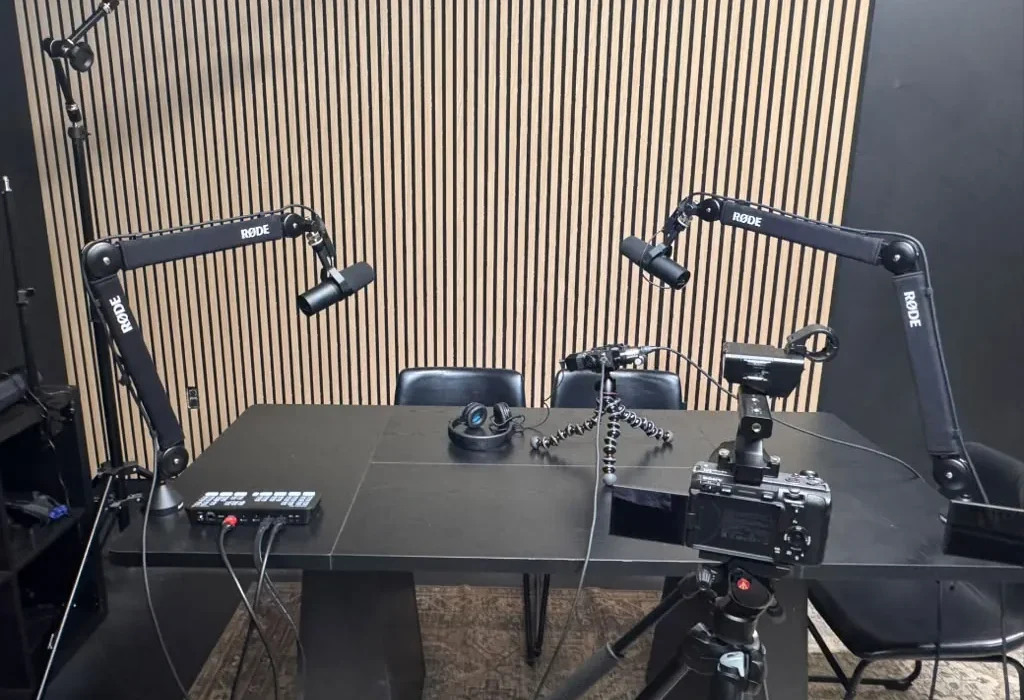
Ultimate Guide: How to Transcribe Your Podcast and Turn It into Blog Content
Podcasts have surged in popularity, providing a unique platform for content creators to share their insights, stories, and expertise. However, many podcasters overlook a powerful opportunity to repurpose their audio content into written form. In this comprehensive guide, we will explore how to transcribe your podcast effectively and transform those transcripts into engaging blog content that can enhance your online presence, improve SEO, and reach a broader audience. By the end of this article, you’ll learn actionable strategies to maximize the value of your podcast episodes through transcription and blog integration.
Why Transcribe Your Podcast?
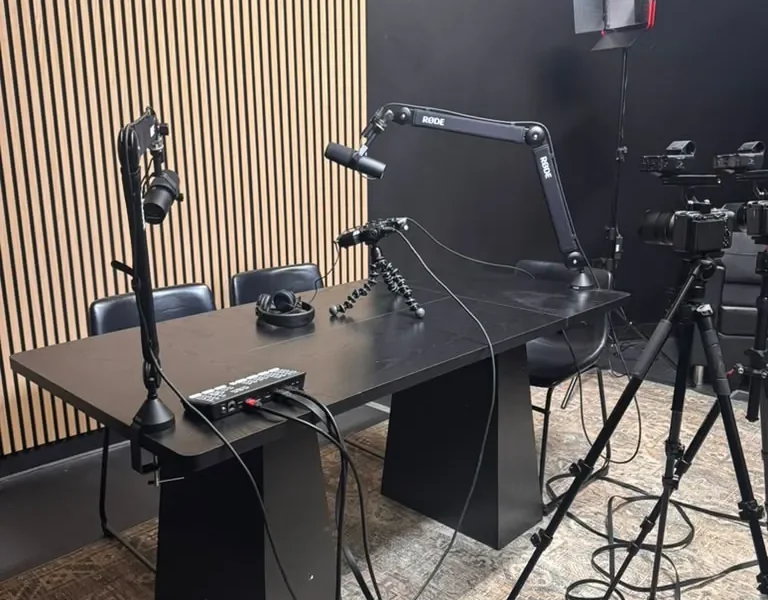
Transcribing your podcast is not just about creating a text version of your audio. It offers numerous benefits:
- Increased Accessibility: Transcripts make your content accessible to a wider audience, including those who are deaf or hard of hearing.
- Enhanced SEO: Search engines cannot index audio content, but they can index text. Transcripts allow your content to be searchable, improving your visibility online.
- Content Repurposing: You can take snippets from your transcripts and use them for social media posts, newsletters, or even video content.
- Improved Engagement: Blog posts can capture the essence of your podcast while providing readers with the option to consume the content in their preferred format.
How to Transcribe Your Podcast
Transcribing your podcast can be achieved through various methods. Here’s a step-by-step guide:
Step 1: Choose Your Transcription Method
There are two primary methods for transcribing your podcast:
- Manual Transcription: This involves listening to your podcast and typing out what is said. While this method is time-consuming, it allows for greater accuracy and the chance to edit for clarity.
- Automated Transcription Services: Utilize transcription software or services that automatically convert audio to text. These can save time and effort. Popular options include:
| Service | Accuracy | Cost | Turnaround Time |
|---|---|---|---|
| Rev | 99%+ | $1.25/min | 12 hours |
| Otter.ai | 80-90% | $8.33/month | Real-time |
| Descript | 90-95% | $15/month | Real-time |
Step 2: Upload or Record Your Podcast
If using automated services, upload your audio file. For manual transcription, play the podcast while typing. Tools like Audacity can help you control playback speed.
Step 3: Edit the Transcript
Once you have your initial transcript, review it for accuracy. Listen to the podcast while reading the transcript to catch any errors. This is crucial for maintaining the integrity of your content.
Step 4: Format the Transcript
To enhance readability, format the transcript using headings, bullet points, and paragraphs. This makes it easier for readers to follow along.
Turning Transcripts into Blog Content
Now that you have a transcript, it’s time to turn it into a compelling blog post. Here’s how:
Step 1: Identify Key Themes
Review the transcript and identify the main themes or takeaways. This will help you structure your blog post effectively.
Step 2: Create a Captivating Introduction
Start with an engaging introduction that summarizes the podcast episode and entices readers to continue. Consider including a hook that highlights the unique value of the episode.
Step 3: Structure Your Blog Post
Use headings and subheadings to break up content. Incorporate quotes from the podcast to add authenticity and depth. For example:
“The key to success in any startup is understanding your market and adapting quickly.” – [Guest Name]
Step 4: Add Visual Elements
Including images, infographics, or videos can enhance engagement. Use visuals to illustrate key points or summarize information effectively.
Step 5: Call to Action
Conclude with a clear call to action, encouraging readers to listen to the full podcast episode, subscribe, or engage in discussions in the comments.
Best Practices for Blog Content
To ensure your blog content resonates with your audience, consider the following best practices:
- Optimize for SEO: Use relevant keywords, including your primary keyword “transcribe your podcast,” throughout the post. Aim for a keyword density of 1-2%.
- Maintain a Conversational Tone: Write as if you are speaking to your audience. This makes your content more relatable.
- Proofread and Edit: Ensure your content is free from grammatical errors and flows well. Tools like Grammarly can assist with this.
SEO Benefits of Transcription
Transcribing your podcast not only enhances accessibility but also significantly boosts your search engine optimization (SEO) efforts. Here’s how:
- Increased Indexing: Search engines index text content, making it easier for your audience to find your podcast through search queries.
- Long-Tail Keywords: Transcripts can introduce long-tail keywords that your audience might use to find your content.
- Improved User Engagement: Blogs with transcripts can lead to longer page visits, lower bounce rates, and higher engagement metrics, which are favorable for SEO.
Tools and Resources for Transcription
Here are some resources and tools to help streamline your transcription process:
- Rev – Professional transcription services with high accuracy.
- Otter.ai – Automated transcription with real-time capabilities.
- Descript – A powerful tool for editing audio and video, along with transcription features.
- Audacity – Free, open-source software for audio recording and editing.
Conclusion
Transcribing your podcast and turning those transcripts into blog content is a strategic move that can significantly enhance your content marketing efforts. By increasing accessibility, improving SEO, and allowing for content repurposing, you can maximize the value of each podcast episode. Utilize the steps and best practices outlined in this guide to create engaging blog posts that capture the essence of your audio content. For additional support in content creation, consider utilizing our professional podcast and video production studios at World Park, designed to empower entrepreneurs and content creators alike.
FAQ
1. What is the best method for transcribing a podcast?
Both manual transcription and automated transcription services have their advantages. Automated services are faster, while manual transcription allows for greater accuracy.
2. How can I improve the accuracy of my podcast transcript?
Listening to the audio while reviewing the transcript can help catch errors. Using quality transcription services also improves accuracy.
3. Can I use a podcast transcript for SEO purposes?
Yes, transcripts enhance SEO by making content searchable and introducing relevant keywords.
4. How should I format my podcast transcript for a blog post?
Use headings, bullet points, and quotes to enhance readability. Break up large blocks of text to maintain reader engagement.
5. Are there any legal considerations when transcribing podcasts?
Ensure you have the rights to transcribe the content, especially if there are guests involved. Always credit sources appropriately.
6. How long does it take to transcribe a podcast?
Manual transcription can take several hours depending on the length of the podcast, while automated services provide quicker turnaround times.
7. Can I use transcripts for social media content?
Absolutely! You can extract quotes or key takeaways from transcripts for social media posts and promotional material.
8. What tools can I use for transcription?
Popular tools include Rev for professional transcription, Otter.ai for automated services, and Audacity for audio editing.