
Behind the Scenes: A Professional Production Day at a Modern Studio
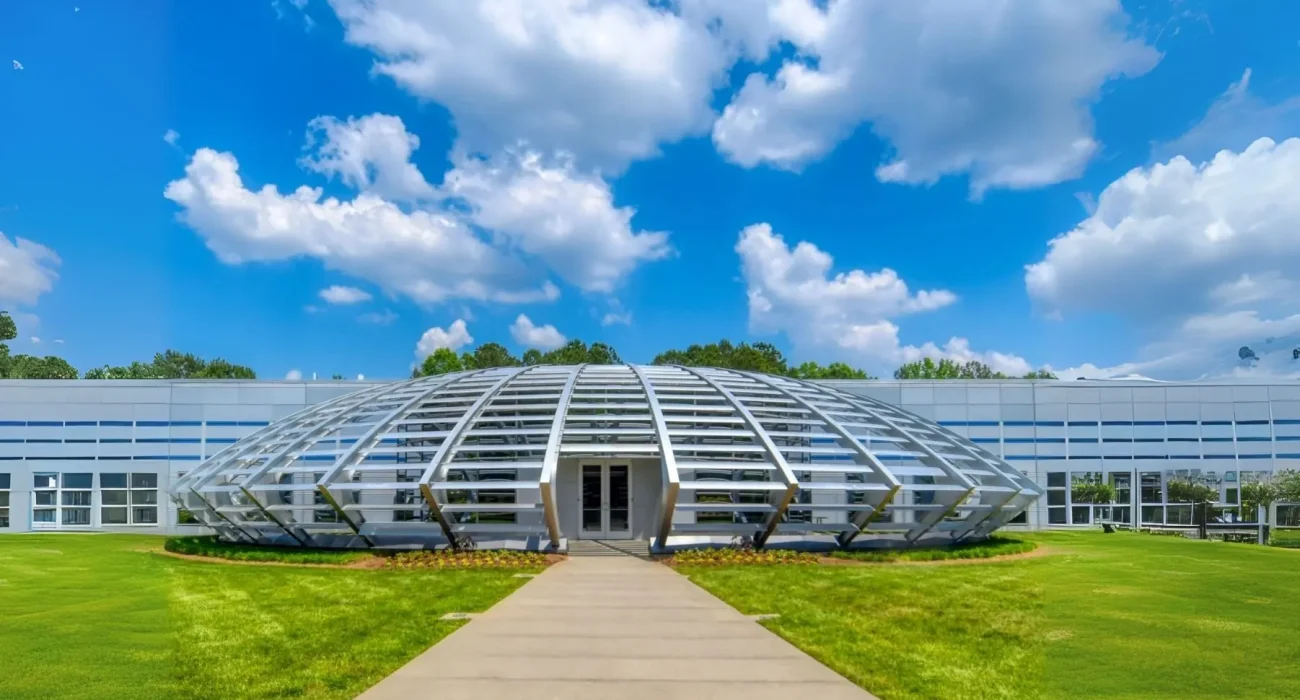
In today’s fast-paced world, the demand for high-quality video and audio content is at an all-time high. Whether it’s for marketing, entertainment, or education, the production of this content requires a well-organized approach and state-of-the-art facilities. At World Park in Alpharetta, GA, we provide the perfect environment for content creators, startups, and media professionals to bring their visions to life. This article takes you behind the scenes to explore what a professional production day looks like at a modern studio, highlighting the essential elements that contribute to a successful shoot.
What to Expect on Production Day
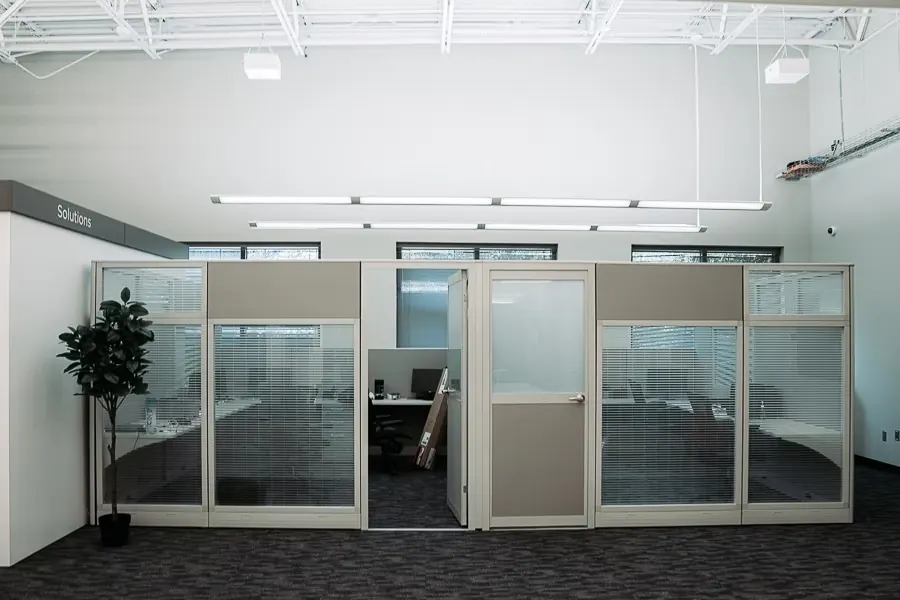
A professional production day is a well-orchestrated event that can involve various teams, equipment, and schedules. When you arrive at a modern studio like World Park, you can expect a seamless experience thanks to our comprehensive facilities. Here are the key components of a typical production day:
- Arrival and Setup: Crew members and talent arrive on-site, where they will check in and be briefed on the day’s schedule.
- Equipment Setup: Technicians will set up cameras, lighting, and audio equipment, ensuring everything is ready for shooting.
- Rehearsals: Depending on the type of production, rehearsals may take place to align the talent with the crew and ensure that everyone is on the same page.
- Filming: The actual shooting process occurs, which may involve multiple takes and adjustments based on the director’s vision.
- Wrap-Up: After filming, the crew begins to dismantle equipment, and a debriefing session may take place to discuss the day’s successes and challenges.
Pre-Production Planning: The Key to Success
Before any production day can commence, thorough pre-production planning is essential. This phase involves several crucial steps:
1. Concept Development
The first step is to define the concept of the project. This includes brainstorming ideas, determining the target audience, and setting the overall tone of the production.
2. Scriptwriting
Once the concept is clear, a script is developed. This script will serve as the blueprint for the production, outlining dialogue, actions, and scene transitions.
3. Storyboarding
Creating a storyboard helps visualize how each scene will unfold. This is particularly useful for identifying camera angles and transitions.
4. Scheduling
A detailed schedule is created, outlining the timeline for each phase of production, including pre-production meetings, shooting days, and post-production timelines.
5. Budgeting
Establishing a budget is crucial. This should cover equipment rentals, location fees, crew salaries, and any additional costs associated with the project.
6. Location Scouting
Finding the right location is essential for the success of the shoot. At World Park, we offer professional podcast and video production studios that provide a perfect backdrop for various types of content.
The Production Process: From Setup to Wrap-Up
On the day of production, the focus shifts to executing the plan laid out during pre-production. Here’s a breakdown of the production process:
1. Crew Briefing
Before the cameras start rolling, a crew briefing is conducted. This includes reviewing the schedule, discussing roles, and addressing any last-minute concerns.
2. Equipment Checks
Technicians conduct thorough equipment checks to ensure everything is functioning correctly. This includes testing cameras, microphones, lighting, and any other gear.
3. Filming
The filming process is where the magic happens. Directors will guide the talent, and multiple takes may be recorded to capture the perfect shot. This phase can be dynamic, with adjustments made as the shoot progresses.
4. Monitoring
Real-time monitoring is essential for ensuring quality. Producers and directors will watch the footage as it’s being filmed, providing feedback and making necessary adjustments.
5. Wrap-Up Procedures
Once filming is complete, the crew begins wrap-up procedures. This includes packing up equipment, conducting a debriefing session, and ensuring the location is left clean and organized.
Post-Production Workflow: Editing and Final Touches
After the production day concludes, the focus shifts to post-production. This is where the content is polished and prepared for distribution.
1. Editing
Editors will begin by assembling the footage, selecting the best takes, and creating a rough cut. This phase may involve trimming scenes, adjusting pacing, and ensuring continuity.
2. Sound Design
Sound design is crucial for enhancing the viewing experience. This includes adding music, sound effects, and voiceovers as needed.
3. Color Correction
Color correction is performed to ensure visual consistency across all scenes. This step enhances the overall aesthetic and can significantly impact the production’s quality.
4. Final Review
After the editing process, a final review is conducted. This involves gathering feedback from key stakeholders and making any necessary adjustments.
5. Distribution
Once the final cut is approved, it’s time for distribution. Depending on the project, this could include uploading to various platforms, creating DVDs, or sharing via social media.
Expert Tips for a Successful Production Day
1. Prepare for the Unexpected
Flexibility is critical in production. Be ready to adapt to last-minute changes, such as talent availability or equipment malfunctions.
2. Communicate Effectively
Clear communication among the crew is vital. Use walkie-talkies or group messaging apps to keep everyone informed throughout the day.
3. Stay Organized
Keep all equipment organized and labeled. This will save time during setup and breakdown, allowing for a more efficient production day.
4. Focus on Quality
Quality should never be compromised. Use professional-grade equipment and skilled personnel to ensure the best outcome.
5. Leverage Technology
Utilize modern technology to streamline workflows. Tools for project management, scheduling, and communication can enhance efficiency.
Frequently Asked Questions
What is a typical day like in a production studio?
A typical day involves planning, setup, filming, and wrap-up. Each phase requires collaboration among the crew to ensure a successful shoot.
How long does it take to produce a video?
The timeline varies based on the complexity of the project. Simple videos can be completed in a few days, while more complex productions may take weeks or months.
What should I bring on a production day?
Bring any necessary scripts, props, and personal items. It’s also wise to have snacks and water to stay energized throughout the day.
How can I improve my video production skills?
Consider taking courses or workshops on filmmaking, editing, and sound design. Practice is also crucial for honing your skills.
What equipment do I need for video production?
Essential equipment includes cameras, microphones, lighting, and editing software. Depending on the project, additional gear may be necessary.
What are the roles on a production crew?
Common roles include director, producer, camera operator, sound technician, and editor. Each member plays a critical role in the production process.
Can I rent studio space for my production?
Yes, World Park offers modern podcast and video production studios for rent. This provides a professional environment for various types of content creation.
What is the importance of pre-production planning?
Pre-production planning is vital for ensuring a smooth production process. It helps define the project scope, budget, and timeline, minimizing potential issues.
Conclusion
Producing high-quality content requires meticulous planning, collaboration, and execution. A professional production day at a modern studio like World Park not only enhances creativity but also ensures that projects are completed efficiently and effectively. By understanding the intricacies of production and leveraging expert tips, content creators can elevate their work to new heights. If you’re ready to take your production to the next level, consider renting our state-of-the-art facilities or participating in our collaborative community events. Together, we can create something extraordinary.
