
The Ultimate Guide to Hiring and Managing a Freelance Content Creation Team
In today’s digital landscape, businesses must harness the power of high-quality content to engage their audience and drive growth. Hiring and managing a freelance content creation team is an effective way to achieve this goal while maintaining flexibility and cost-effectiveness. This comprehensive guide will walk you through the essential steps of assembling a talented freelance team, from sourcing the right talent to managing their contributions effectively. Whether you are a startup seeking to establish your brand voice or an established organization looking to scale your content efforts, this guide will provide you with the insights you need to succeed.
Understanding Your Content Needs
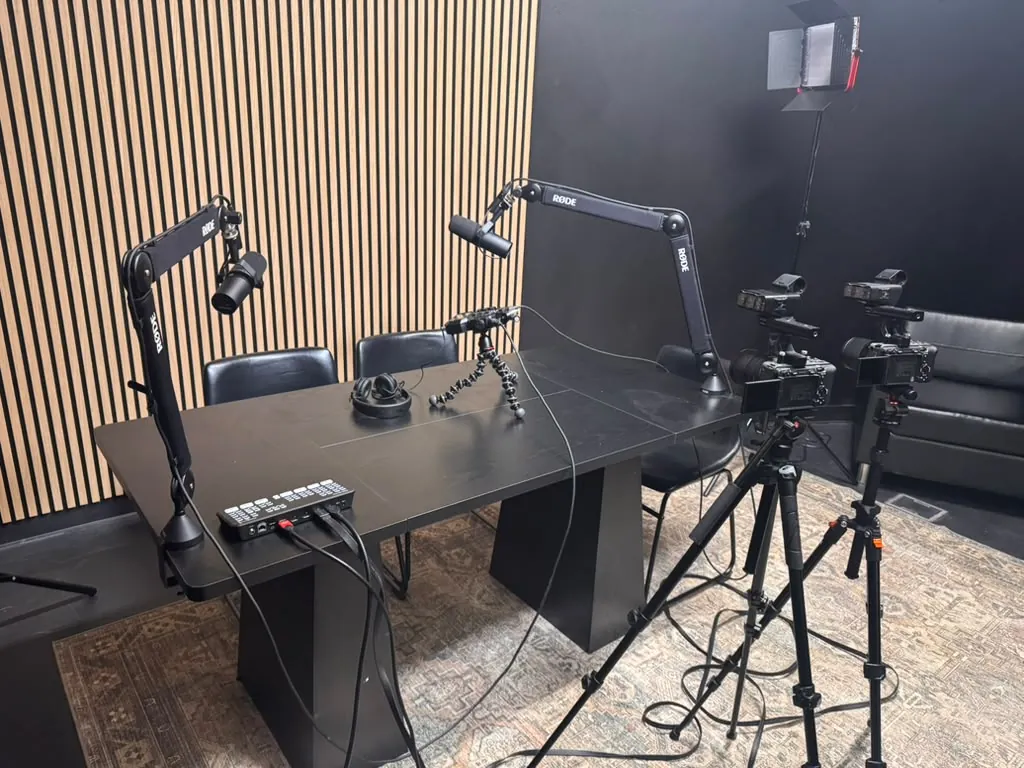
Before you embark on the hiring process, it’s crucial to clearly define your content needs. Consider the following factors:
- Content Types: Identify the types of content you require, such as blog posts, articles, videos, podcasts, or social media posts. Each content type may necessitate different skills.
- Target Audience: Understand who your target audience is. This knowledge will guide your content strategy and help you find freelancers who can create content that resonates with your audience.
- Content Goals: Establish what you aim to achieve with your content. Is it brand awareness, lead generation, or customer retention? Clear goals will shape your content strategy.
For startups and businesses in Alpharetta, GA, utilizing a flexible office space can be beneficial when collaborating with your freelance team. It provides a professional environment for brainstorming and meetings.
Sourcing Freelance Talent
Once you have a clear understanding of your content needs, the next step is to source freelance talent. Here are some effective strategies:
1. Use Freelance Platforms
Platforms like Upwork, Freelancer, and Fiverr allow you to connect with a diverse pool of freelance content creators. You can browse profiles, review portfolios, and read client feedback to find the right fit.
2. Tap into Professional Networks
Utilize your professional network on LinkedIn or industry-specific forums to find freelancers. You can also post job listings in relevant groups or forums.
3. Leverage Social Media
Social media platforms like Twitter and Facebook can be great resources for finding freelance talent. Use hashtags related to content creation to discover potential candidates.
4. Attend Networking Events
Participating in local business networking events in Alpharetta or the Atlanta Metropolitan Area can help you meet freelance content creators in person. World Park hosts various business networking events that can connect you with talented freelancers.
Evaluating Freelancers
After sourcing potential freelancers, it’s important to evaluate them effectively. Here are some criteria to consider:
1. Portfolio Review
Examine their portfolio to assess the quality and relevance of their previous work. Look for samples that align with your content needs.
2. Client Testimonials
Read reviews and testimonials from previous clients. This will give you insight into their work ethic, communication skills, and reliability.
3. Skills Assessment
Consider conducting a skills assessment or asking for a short test project to evaluate their writing, editing, or production capabilities.
4. Cultural Fit
Ensure that the freelancer’s style and values align with your brand. A good cultural fit is crucial for long-term collaboration.
Onboarding Your Freelance Team
Once you’ve selected your freelance content creators, the onboarding process is essential for ensuring a smooth collaboration. Follow these steps:
1. Provide Clear Guidelines
Offer detailed guidelines regarding your brand voice, style preferences, and content objectives. This clarity will help freelancers produce content that aligns with your expectations.
2. Set Up Communication Channels
Establish communication channels that work for both you and your freelancers. Tools like Slack, Trello, or Asana can facilitate seamless communication and project management.
3. Outline Deadlines and Deliverables
Clearly communicate deadlines for each project and outline deliverables. This ensures everyone is on the same page and helps manage expectations.
4. Foster a Collaborative Environment
Encourage collaboration among your freelance team members. This can lead to innovative ideas and improve the overall quality of content.
Managing and Communicating with Your Team
Effective management and communication are key to maximizing the potential of your freelance content creation team. Here are some best practices:
1. Regular Check-Ins
Schedule regular check-ins to discuss progress, address challenges, and provide feedback. This can be done through video calls or messaging platforms.
2. Provide Constructive Feedback
When reviewing content, offer constructive feedback that highlights strengths and areas for improvement. This approach fosters growth and enhances the quality of future work.
3. Utilize Collaborative Tools
Leverage project management tools to assign tasks, track progress, and share resources. This transparency helps keep everyone accountable.
4. Recognize Contributions
Acknowledge and celebrate the contributions of your freelance team. Recognition boosts morale and encourages continued collaboration.
Measuring Success and Performance
To ensure that your freelance content creation efforts are effective, it’s important to measure success. Here are some metrics to track:
1. Engagement Metrics
Monitor engagement metrics such as likes, shares, comments, and time spent on content. These indicators reveal how well your audience is resonating with your content.
2. Conversion Rates
Analyze conversion rates to determine how well your content is driving desired actions, such as signing up for newsletters or making purchases.
3. SEO Performance
Utilize tools like Google Analytics to track organic search performance and keyword rankings. High-quality content should improve your search visibility over time.
4. Client Feedback
Seek feedback from clients or stakeholders regarding the quality and effectiveness of the content produced by your freelance team.
Best Practices for Hiring and Managing Freelancers
Implementing best practices can significantly enhance your experience with freelance content creators:
1. Develop Long-Term Relationships
Consider building long-term relationships with reliable freelancers. This allows for a better understanding of your brand and smoother collaboration.
2. Offer Competitive Compensation
Competitive compensation attracts top talent. Research industry standards to ensure you are offering fair rates to your freelancers.
3. Invest in Training
Provide training opportunities for your freelancers to help them develop their skills. This investment can lead to higher-quality content and greater loyalty.
4. Stay Flexible
Freelancers often appreciate flexibility. Be open to adjusting deadlines or project scopes as needed to accommodate their schedules.
Conclusion
Hiring and managing a freelance content creation team can be a game-changer for your business. By understanding your content needs, sourcing the right talent, and fostering effective communication, you can create high-quality content that resonates with your audience. Remember to measure success and continuously improve your processes to maximize the impact of your freelance team.
For startups and businesses in Alpharetta, GA, World Park offers a modern campus that fosters collaboration and innovation. Consider utilizing our coworking spaces and events to connect with talented freelancers and enhance your content creation efforts.
Frequently Asked Questions
1. How do I find the right freelancers for content creation?
Start by defining your content needs and then use freelance platforms, professional networks, and social media to source potential candidates.
2. What should I include in my freelancer job description?
Your job description should outline the type of content needed, target audience, project scope, deadlines, and compensation details.
3. How can I evaluate a freelancer’s skills?
Review their portfolio, read client testimonials, and consider conducting a skills assessment or asking for a test project.
4. What tools can help manage freelance teams?
Tools like Slack for communication and Trello or Asana for project management can enhance collaboration and organization.
5. How do I provide effective feedback to freelancers?
Offer constructive feedback that highlights strengths and areas for improvement. Be specific and actionable in your comments.
6. What metrics should I track to measure content success?
Engagement metrics, conversion rates, SEO performance, and client feedback are key indicators of content success.
7. How do I keep freelancers motivated?
Recognize their contributions, offer competitive compensation, and foster a collaborative environment to keep them motivated.
8. Can I hire freelancers for long-term projects?
Yes, many freelancers are open to long-term projects. Building long-term relationships can lead to better collaboration and content quality.