

The Ultimate CTO’s Checklist for Evaluating Colocation Providers in Atlanta
In today’s digital landscape, the choice of a colocation provider is critical for businesses seeking robust infrastructure and reliable performance. For Chief Technology Officers (CTOs) in Atlanta, this decision can significantly impact operational efficiency, data security, and overall business agility. This comprehensive guide will walk you through the essential steps to evaluate colocation providers in Atlanta, ensuring that you make an informed decision that aligns with your organization’s needs. You’ll learn what factors to consider, specific questions to ask potential providers, and how to leverage the right technology infrastructure to support your growth.
Understanding Colocation Services
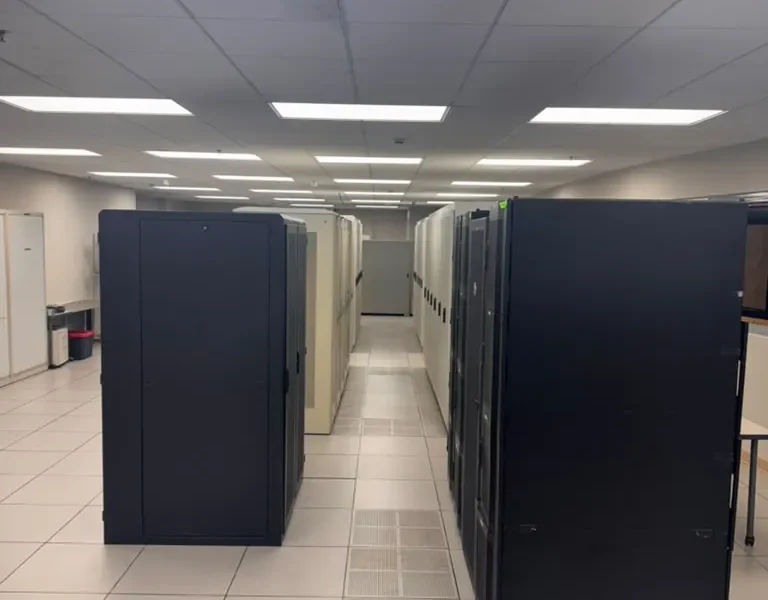
Colocation services involve renting space in a data center where businesses can house their servers and networking equipment. This arrangement allows companies to benefit from robust infrastructure without the high costs associated with building and maintaining their own facilities. In Atlanta, a hub for technology and innovation, choosing the right colocation provider can enhance your business’s operational capabilities.
Colocation providers typically offer a range of services, including power supply, cooling systems, physical security, and high-speed internet connectivity. Understanding these services is crucial for evaluating potential providers effectively.
Key Evaluation Criteria for Colocation Providers
When assessing colocation providers in Atlanta, consider the following key criteria:
- Reliability and Uptime: Look for providers that guarantee high uptime percentages (99.99% or higher). This reliability is critical for maintaining business continuity.
- Security Protocols: Evaluate the physical and digital security measures in place, including access controls, surveillance, and fire suppression systems.
- Scalability: Choose a provider that can grow with your business, offering flexible solutions that accommodate your evolving needs.
- Network Connectivity: Assess the network options available, including redundancy and diverse routing to ensure optimal performance.
- Support Services: Ensure that the provider offers robust technical support with quick response times and knowledgeable staff.
Importance of Data Center Location
The location of a data center can significantly impact latency, accessibility, and disaster recovery capabilities. For businesses operating in Atlanta, selecting a provider with a strategically located data center is essential. Consider factors such as proximity to your headquarters, access to major fiber routes, and the risk of natural disasters.
World Park, located in Alpharetta, GA, offers a modern campus designed for startups and technology-driven organizations. Our facility is equipped with enterprise-grade technology infrastructure, making it an ideal choice for companies looking to optimize their colocation strategy. Learn more about our data center solutions.
Scalability and Flexibility in Colocation
As your business grows, your colocation needs may change. It’s vital to choose a provider that offers scalable solutions, allowing you to easily expand your space, power, or services without significant downtime or disruption. Look for colocation providers that provide options for:
- Increased rack space
- Enhanced power requirements
- Additional bandwidth
Security Measures to Consider
Security is paramount when choosing a colocation provider. Evaluate the following security measures:
- Physical Security: Ensure the facility has 24/7 security personnel, surveillance cameras, and controlled access points.
- Data Security: Inquire about firewalls, intrusion detection systems, and data encryption protocols.
- Compliance Standards: Check if the provider adheres to industry standards and regulations, such as HIPAA or PCI DSS.
Network Connectivity and Performance
Robust network connectivity is essential for maximizing the performance of your colocation environment. Investigate the following aspects:
- Redundant Connections: Look for providers that offer diverse network paths to minimize downtime.
- Bandwidth Options: Assess the availability of high-speed internet connections and the ability to scale bandwidth as needed.
- Latency: Choose a provider that can guarantee low latency to enhance application performance.
Support and Service Level Agreements (SLAs)
Understanding the support structure and SLAs offered by your colocation provider is crucial. Key elements to evaluate include:
- Technical Support Availability: Ensure support is available 24/7 with multiple contact methods.
- Response Times: Review the SLA to determine the guaranteed response times for different types of issues.
- Compensation Terms: Understand the compensation terms for downtime or service failures.
Understanding the Cost Structure
Cost is a significant factor in evaluating colocation providers. Be sure to understand the following components:
- Monthly Fees: Determine the base fees for rack space, power, and bandwidth.
- Additional Costs: Inquire about any additional charges for services such as remote hands, cross-connects, or backup solutions.
- Contract Terms: Review contract terms carefully, including the length of commitment and any penalties for early termination.
Colocation Providers Comparison Table
Uptime figures and prices are set contract by contract, so the fairest comparison is to ask every provider the same questions and get the answers in writing. The World Park column lists only what World Park publishes about its own facility.
| Criterion | What to ask every provider | World Park (published facts) |
|---|---|---|
| Uptime guarantee | What uptime does the written SLA guarantee, and what service credits apply if it is missed? | SLA terms are set per contract; ask for them in writing |
| Physical security | Who can enter the data hall, and how is access controlled and logged? | Biometric access control and 24/7 monitoring |
| Power and cooling | Is power redundant, and how is the room cooled? | Redundant power and precision cooling |
| Pricing | How are rack space, power draw and bandwidth billed, and what do remote hands and cross-connects cost? | Quoted by rack space, power draw and bandwidth commitment |
| Workspace on site | Can your team work in the same building as its servers? | Private offices, coworking, meeting rooms and studios at the same address, 190 Bluegrass Valley Parkway, Alpharetta |
Expert Tips for Choosing the Right Provider
Additionally, consider the following tips:
- Request references from current clients to gauge satisfaction.
- Evaluate the provider’s experience in your industry.
- Ensure they have a clear disaster recovery plan in place.
Conclusion
Evaluating colocation providers in Atlanta requires a thorough understanding of your specific needs and the capabilities of potential providers. By following this CTO’s checklist, you can make an informed decision that supports your organization’s growth and technological demands. For those seeking a modern, innovative colocation solution, World Park offers a state-of-the-art facility designed to empower startups and technology-driven businesses.
FAQs
What is colocation in data centers?
Colocation is a service where businesses rent space in a data center to house their servers and networking equipment, benefiting from shared infrastructure and security.
How do I choose a colocation provider?
Evaluate providers based on reliability, security, scalability, network connectivity, and support services.
What should I consider about data center location?
Consider proximity to your business, access to fiber routes, and the risk of natural disasters when choosing a data center location.
What are the typical costs associated with colocation?
Costs can include monthly fees for rack space, power, bandwidth, and additional services like remote hands or cross-connects.
What security measures should a colocation provider have?
Look for 24/7 security, surveillance systems, access controls, and compliance with industry regulations.
How important is scalability in colocation services?
Scalability is crucial to accommodate business growth and changing technology needs without significant disruption.
What are Service Level Agreements (SLAs)?
SLAs are contracts that outline the level of service expected from a provider, including uptime guarantees and response times for support.
Can I visit the colocation facility before signing a contract?
Yes, visiting the facility is recommended to assess security measures and infrastructure firsthand.
How do I ensure my data is secure in a colocation facility?
Choose a provider with robust security measures, including physical and digital protocols, to protect your data.
What is the difference between colocation and cloud services?
Colocation involves renting space in a physical data center, while cloud services provide virtualized resources and storage over the internet.
How often should I evaluate my colocation provider?
Regular evaluations should occur annually or whenever significant changes in your business or technology needs arise.
Where can I find more information about colocation services?
Visit industry resources like Data Center Knowledge or IaaS Association for more information.