

Ultimate Guide to Cloud GPU Computing for AI Training & Rendering
As artificial intelligence (AI) continues to evolve, the demand for efficient computing resources has skyrocketed. Cloud GPU computing has emerged as a powerful solution, providing the necessary infrastructure for AI training and rendering workloads. In this comprehensive guide, we will explore the various options available for cloud GPU computing, its benefits, challenges, and how businesses can leverage this technology to enhance their operations. Whether you’re a startup, media producer, or an established enterprise, understanding cloud GPU computing is crucial for staying competitive in today’s technology-driven landscape.
What is Cloud GPU Computing?
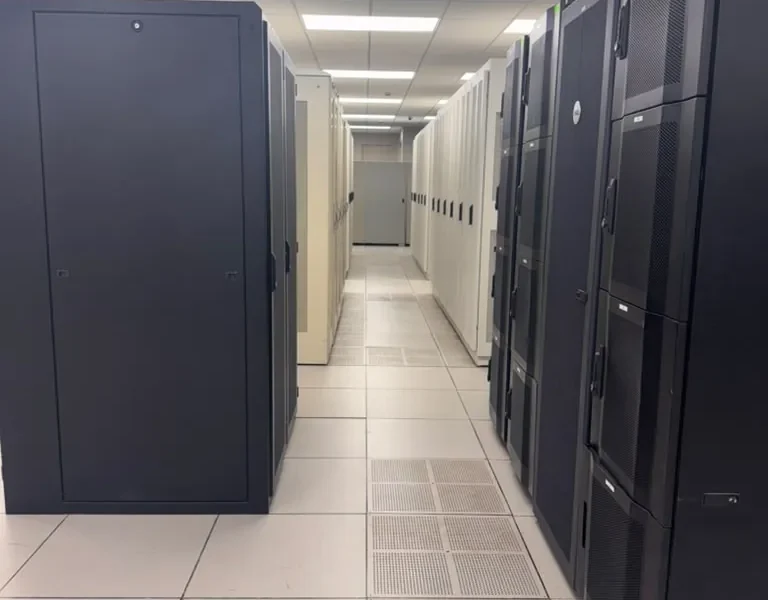
Cloud GPU computing refers to the use of Graphics Processing Units (GPUs) hosted in the cloud to perform complex computations. Unlike traditional CPUs, GPUs are designed to handle parallel processing efficiently, making them ideal for AI training, machine learning, and rendering workloads. With cloud GPU services, businesses can access powerful computing resources on-demand without the need for significant upfront investments in hardware.
Benefits of Cloud GPU Computing
Cloud GPU computing offers several advantages that make it an attractive option for organizations across various industries:
- Scalability: Cloud GPU services allow businesses to scale their computing resources up or down based on project requirements. This flexibility is particularly beneficial for startups and media production companies that may experience fluctuating workloads.
- Cost-effectiveness: By utilizing cloud GPU services, organizations can avoid the capital expenses associated with purchasing and maintaining physical hardware. Instead, they can pay for only the resources they use, optimizing budget allocation.
- Accessibility: Cloud GPU computing enables teams to access powerful computing resources from anywhere, fostering collaboration and remote work. This accessibility is vital for digital agencies and freelancers who require reliable computing power.
- Performance: With the latest GPU technologies available in the cloud, businesses can achieve faster processing times for AI training and rendering tasks, leading to quicker project completions.
- Security: Reputable cloud providers implement robust security measures to protect sensitive data, ensuring compliance with industry regulations.
Key Options for Cloud GPU Computing
When considering cloud GPU computing, organizations have several options to choose from. Here are some of the most popular cloud GPU providers:
| Provider | GPU Type | Use Cases | Pricing Model |
|---|---|---|---|
| Amazon Web Services (AWS) | NVIDIA Tesla V100, A100 | AI training, machine learning, rendering | Pay-as-you-go |
| Google Cloud Platform (GCP) | NVIDIA Tesla K80, P100, T4 | Deep learning, data analytics | Pay-as-you-go |
| Microsoft Azure | NVIDIA Tesla V100, M60 | AI, HPC, rendering | Pay-as-you-go |
| IBM Cloud | NVIDIA Tesla V100 | AI training, rendering | Subscription-based |
| Oracle Cloud | NVIDIA A100 | AI, machine learning | Pay-as-you-go |
Each of these platforms offers unique features tailored to different workloads, making it essential to evaluate them based on specific business needs.
Applications of Cloud GPU Computing
Cloud GPU computing is transforming various sectors by enabling advanced applications:
- Artificial Intelligence and Machine Learning: Organizations use cloud GPUs to accelerate machine learning model training, allowing them to analyze large datasets and improve predictive accuracy.
- 3D Rendering and Animation: Media production companies leverage cloud GPU services for rendering high-quality graphics and animations, reducing time spent on post-production.
- Scientific Research: Researchers utilize cloud GPUs for simulations and data analysis, leading to breakthroughs in fields such as genomics and climate modeling.
- Gaming: Game developers employ cloud GPUs to create immersive gaming experiences, allowing for real-time rendering and graphics.
How to Choose the Right Cloud GPU Provider
Selecting a cloud GPU provider requires careful consideration of several factors:
- Performance: Assess the performance capabilities of different GPUs, focusing on memory, processing power, and compatibility with your applications.
- Cost: Compare pricing models, including pay-as-you-go versus subscription options. Calculate potential costs based on your expected usage to make an informed decision.
- Support and Resources: Evaluate the support offered by the provider, including documentation, customer service, and community resources.
- Security: Ensure that the provider follows best practices for data security and compliance with industry standards.
- Integration: Consider how well the cloud GPU service integrates with your existing workflows and tools.
Best Practices for Using Cloud GPU Computing
To maximize the benefits of cloud GPU computing, organizations should follow these best practices:
- Optimize Workloads: Analyze and optimize your AI training and rendering workloads to ensure efficient use of GPU resources. This may include batch processing and data preprocessing.
- Monitor Usage: Regularly monitor your GPU usage to identify opportunities for cost savings and performance improvements.
- Leverage Autoscaling: Utilize autoscaling features to automatically adjust computing resources based on demand, ensuring optimal performance without overspending.
- Stay Updated: Keep abreast of the latest developments in GPU technology and cloud services to take advantage of new features and improvements.
Future of Cloud GPU Computing
The future of cloud GPU computing looks promising, with continuous advancements in GPU technology and cloud infrastructure. As AI applications become more sophisticated, the demand for powerful computing resources will only increase. Innovations such as quantum computing and edge computing may also reshape the landscape, pushing the boundaries of what’s possible in AI training and rendering workloads.
At World Park, we are committed to providing modern private offices and coworking environments that cater to startups and technology-driven organizations. With our enterprise-grade technology infrastructure, we empower businesses to harness the potential of cloud GPU computing and achieve their goals.
FAQ
1. What is cloud GPU computing?
Cloud GPU computing refers to the use of Graphics Processing Units (GPUs) hosted in the cloud for executing complex computations efficiently, particularly for AI and rendering workloads.
2. What are the benefits of using cloud GPU services?
Benefits include scalability, cost-effectiveness, accessibility, enhanced performance, and robust security measures provided by cloud providers.
3. Which cloud providers offer GPU services?
Major cloud providers include Amazon Web Services (AWS), Google Cloud Platform (GCP), Microsoft Azure, IBM Cloud, and Oracle Cloud, each offering various GPU types and pricing models.
4. How do I choose the right cloud GPU provider?
Consider factors such as performance, cost, support, security, and integration with existing workflows when selecting a cloud GPU provider.
5. What applications benefit from cloud GPU computing?
Applications include AI training, 3D rendering, scientific research, and gaming, among others.
6. What are best practices for using cloud GPU computing?
Best practices include optimizing workloads, monitoring usage, leveraging autoscaling, and staying updated on technology advancements.
7. How does cloud GPU computing impact costs?
Cloud GPU computing can reduce costs by eliminating the need for upfront hardware investments and allowing businesses to pay based on actual resource usage.
8. What does the future hold for cloud GPU computing?
The future includes advancements in GPU technology, increased demand for computing resources, and potential innovations like quantum and edge computing.