

How to Build a Scalable Technology Budget for Your Business Growth
In today’s fast-paced digital landscape, creating a technology budget that effectively scales with your business is crucial for long-term success. As companies grow, their technology needs evolve, and a well-structured budget can mean the difference between thriving and merely surviving. In this comprehensive guide, we will explore how to build a technology budget that aligns with your business goals, ensuring that you invest wisely in the tools and resources that drive innovation and efficiency.
By the end of this article, you will learn the essential steps to develop a scalable technology budget, including identifying your needs, forecasting expenses, and monitoring your budget over time. Our insights will empower you to make informed decisions that support your business’s growth trajectory.
Understanding Your Business Needs
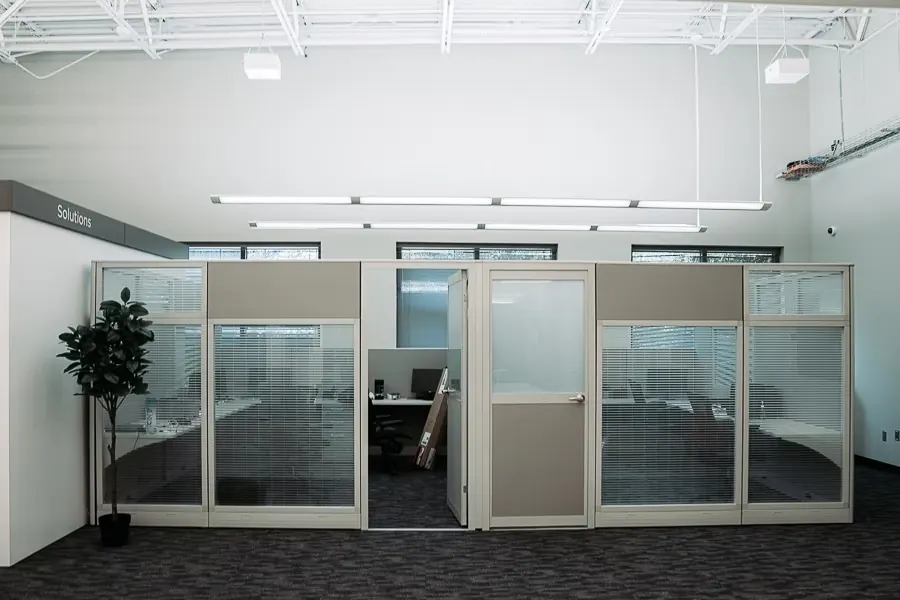
Before diving into the specifics of budgeting, it’s essential to understand the unique needs of your business. Different industries and business models require different technological investments. Here are a few considerations:
- Industry Requirements: Identify the specific technology needs of your industry. For example, a media production company may require advanced video editing software and hardware, whereas a SaaS startup might prioritize cloud computing and data storage solutions.
- Business Model: Your business model will influence your technology budget. Startups may need to allocate more funds toward scalable solutions, while established companies might focus on upgrading existing systems.
- Growth Projections: Consider your growth plans. If you anticipate rapid growth, your budget should reflect the need for scalable solutions like cloud services or flexible office spaces that can accommodate more employees.
Assessing Current Technology
Next, take stock of your current technology landscape. This assessment will help you identify gaps and areas for improvement:
- Inventory Your Assets: Create a detailed inventory of your existing technology assets, including hardware, software, and subscriptions. This inventory will serve as the foundation for your budget.
- Evaluate Performance: Assess the performance of your current technology. Are there tools that are underperforming or no longer meet your needs? Identify areas where technology can be upgraded or replaced.
- Consider Integration: Examine how well your current technology integrates with one another. Disparate systems can lead to inefficiencies. For example, if you are using multiple platforms for project management, consider investing in a comprehensive solution that streamlines processes.
Setting Budget Priorities
Once you have assessed your current technology, it’s time to set budget priorities. Here are some key areas to consider:
- Essential vs. Optional: Distinguish between essential technology needs and optional upgrades. Focus on tools that directly contribute to your operational efficiency and customer satisfaction.
- Long-term Investments: Prioritize investments that offer long-term benefits, such as cloud computing services, which provide scalability and flexibility as your business grows.
- Innovation Budget: Allocate a portion of your budget for innovation. This could include funding for research and development, pilot projects, or exploring emerging technologies like AI and machine learning.
Forecasting Expenses
Accurate forecasting is critical for a scalable technology budget. Here’s how to approach this:
- Historical Data Analysis: Review historical spending data to identify trends and patterns. This analysis can help you predict future expenses more accurately.
- Cost Estimation: Estimate costs for each technology category. Consider not only the initial purchase price but also ongoing costs such as maintenance, subscriptions, and training.
- Scenario Planning: Create different budget scenarios based on potential growth trajectories. This will help you prepare for various outcomes and ensure your budget remains scalable.
Implementing Budget Controls
Establishing budget controls is essential for maintaining financial discipline:
- Approval Processes: Implement an approval process for technology purchases to ensure alignment with budget priorities.
- Regular Reviews: Schedule regular budget reviews to assess spending against your budget. This will allow you to make adjustments as needed.
- Tracking Tools: Utilize technology budget tracking tools to monitor expenses in real-time. Tools like Smartsheet or Trello can help you stay organized.
Monitoring and Adjusting Your Budget
Once your budget is in place, continuous monitoring and adjustments are crucial:
- Key Performance Indicators (KPIs): Establish KPIs to measure the effectiveness of your technology investments. Metrics such as ROI, user satisfaction, and productivity can provide insights into your technology’s performance.
- Feedback Mechanism: Create a feedback mechanism for employees and stakeholders to share their experiences with technology. This input can help identify areas for improvement.
- Adaptability: Be prepared to adapt your budget based on changing business needs or technology trends. The tech landscape is constantly evolving, and flexibility is key.
Expert Tips for Building a Scalable Technology Budget
Here are some expert tips to enhance your technology budgeting process:
Frequently Asked Questions
What is a technology budget?
A technology budget is a financial plan that outlines the expected expenses related to technology investments, including hardware, software, subscriptions, and services.
How often should I review my technology budget?
It’s recommended to review your technology budget at least quarterly to ensure it aligns with your business goals and to make necessary adjustments based on changing needs.
What should be included in a technology budget?
A technology budget should include costs for hardware, software, maintenance, subscriptions, training, and any anticipated upgrades or innovations.
How can I ensure my technology budget scales with my business?
To ensure scalability, focus on flexible solutions, regularly assess your technology needs, and allocate funds for innovation and growth.
What are some common pitfalls in technology budgeting?
Common pitfalls include underestimating costs, neglecting ongoing expenses, failing to involve key stakeholders, and not adjusting the budget based on feedback and performance metrics.
How can I track technology spending effectively?
Utilize budget tracking tools and software, establish clear approval processes, and schedule regular reviews to monitor spending against your budget.
Is it beneficial to involve employees in the budgeting process?
Yes, involving employees can provide valuable insights into technology needs and help ensure that the budget aligns with overall business goals.
Where can I find resources for technology grants?
Resources for technology grants can be found on websites like Grants.gov or through local government economic development agencies.
Conclusion
Building a scalable technology budget is a critical step for any business aiming for growth and innovation. By understanding your business needs, assessing current technology, setting priorities, forecasting expenses, and implementing controls, you can create a budget that not only meets your immediate needs but also adapts to future challenges. Remember to engage your team and continuously monitor your budget for optimal results. For more insights on operational excellence and technology strategies, explore our blog or contact us at info@worldpark.us.