

The Complete Guide to IT Infrastructure Assessment for Growing Companies
As businesses expand, their IT infrastructure must evolve to support growth efficiently and securely. An IT infrastructure assessment is crucial for identifying strengths, weaknesses, and opportunities for enhancement within your company’s technological framework. In this comprehensive guide, we will explore the essentials of IT infrastructure assessment, detailing the steps involved, key considerations, and best practices to ensure your growing company can thrive in an increasingly digital landscape.
What is IT Infrastructure Assessment?
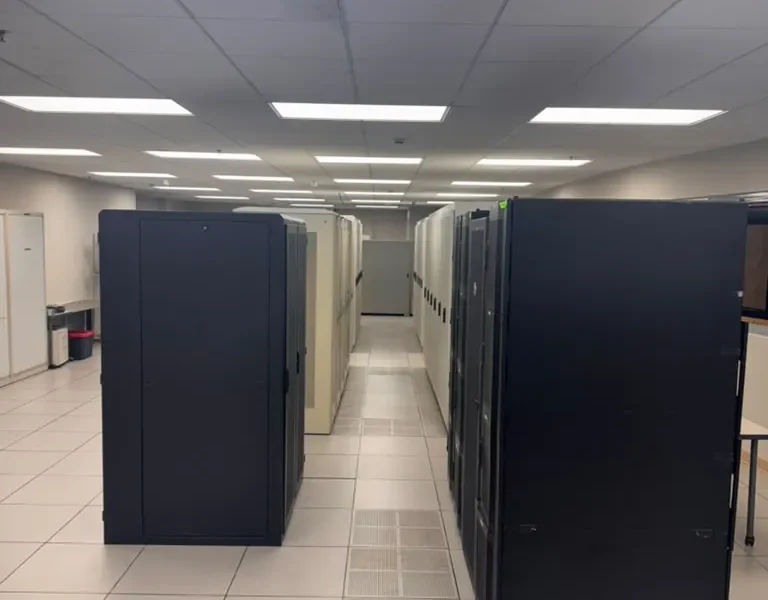
IT infrastructure assessment is a systematic evaluation of an organization’s IT environment, including hardware, software, networks, and data management practices. This process aims to identify gaps, inefficiencies, and vulnerabilities, providing a clear roadmap for improvement. For growing companies, regular assessments are vital to ensure that their IT infrastructure aligns with business objectives and can scale effectively.
Importance of IT Infrastructure Assessment
Conducting an IT infrastructure assessment is essential for several reasons:
- Alignment with Business Goals: As companies grow, their IT needs evolve. An assessment helps ensure that infrastructure supports current and future business objectives.
- Risk Management: Identifying vulnerabilities in your IT infrastructure can help mitigate risks, including data breaches and system failures.
- Cost Efficiency: Regular assessments can uncover inefficiencies, leading to cost savings through optimized resource allocation and reduced downtime.
- Regulatory Compliance: For many industries, compliance with regulations (such as GDPR and HIPAA) is crucial. Assessments help ensure adherence to these requirements.
Key Components of IT Infrastructure
When assessing your IT infrastructure, consider the following key components:
| Component | Description |
|---|---|
| Hardware | Physical devices such as servers, computers, and networking equipment. |
| Software | Applications and operating systems that support business operations. |
| Networking | Components that enable communication between devices, including routers, switches, and firewalls. |
| Data Management | Systems for storing, retrieving, and securing data, including databases and cloud storage. |
| Security | Measures to protect IT infrastructure from threats, including firewalls, antivirus software, and encryption. |
Steps for Conducting a Successful IT Infrastructure Assessment
Here’s a step-by-step guide to conducting an effective IT infrastructure assessment:
- Define Objectives: Clearly outline what you aim to achieve with the assessment. Are you looking to enhance security, improve performance, or ensure compliance?
- Inventory Current Infrastructure: Create a comprehensive inventory of your existing IT assets, including hardware, software, and network components.
- Evaluate Performance: Assess the performance of each component in your IT infrastructure. Identify any bottlenecks, inefficiencies, or areas for improvement.
- Identify Risks: Conduct a risk analysis to identify vulnerabilities within your infrastructure. This could include outdated hardware, unpatched software, or weak security protocols.
- Gather Stakeholder Input: Engage key stakeholders to gain insights into their experiences with the current infrastructure and gather feedback on areas for improvement.
- Develop Recommendations: Based on your findings, create actionable recommendations for enhancing your IT infrastructure.
- Implement Changes: Prioritize and implement the recommended changes, ensuring that they align with your business goals and budget.
- Monitor and Review: Establish a process for ongoing monitoring and periodic reassessment of your IT infrastructure to ensure it continues to meet your company’s needs.
Tools and Methodologies for Assessment
Several tools and methodologies can aid in conducting an IT infrastructure assessment:
- Network Monitoring Tools: Tools like SolarWinds and PRTG Network Monitor can help analyze network performance and identify issues.
- Asset Management Software: Solutions like Lansweeper or ManageEngine can assist in inventorying hardware and software assets.
- Security Assessment Tools: Tools such as Nessus and Qualys can help identify vulnerabilities and assess security posture.
- Cloud Assessment Frameworks: For companies utilizing cloud services, frameworks such as the Cloud Security Alliance’s (CSA) Cloud Controls Matrix can guide assessments.
Common Challenges in IT Infrastructure Assessment
While conducting an IT infrastructure assessment, companies may encounter several challenges:
- Resource Limitations: Limited time and budget can hinder thorough assessments.
- Complexity of Systems: The complexity of modern IT environments can make it difficult to obtain a clear picture of performance and risks.
- Lack of Expertise: Companies may lack the in-house expertise to effectively conduct assessments, necessitating external consultation.
- Resistance to Change: Employees may resist changes recommended through the assessment, impacting implementation.
Best Practices for IT Infrastructure Assessment
To ensure a successful IT infrastructure assessment, consider these best practices:
- Involve Stakeholders: Engage various departments to gain a holistic view of infrastructure needs and challenges.
- Document Findings: Maintain thorough documentation of findings and recommendations to facilitate future assessments.
- Prioritize Recommendations: Focus on high-impact changes that align with business objectives and offer the best return on investment.
- Use a Structured Approach: Follow a defined methodology to ensure a comprehensive evaluation of your IT infrastructure.
- Leverage External Expertise: Consider consulting with IT infrastructure specialists to gain valuable insights and recommendations.
Case Study: IT Infrastructure Assessment in Action
Let’s explore a hypothetical case study to illustrate the IT infrastructure assessment process:
Company: Tech Innovators, a growing SaaS startup.
Objective: Improve scalability and security of their IT infrastructure.
Process:
- Tech Innovators defined their objectives, focusing on scalability and security.
- They conducted an inventory of their existing infrastructure, identifying outdated servers and security gaps.
- A performance evaluation revealed that their cloud-based applications were experiencing latency issues.
- The team identified risks, including outdated software and inadequate security measures.
- Stakeholder feedback highlighted the need for improved collaboration tools.
- Based on the assessment, recommendations included upgrading servers, enhancing security protocols, and implementing new collaboration tools.
- Tech Innovators prioritized these changes and successfully implemented them, resulting in improved performance and security.
This case study demonstrates the importance of a structured approach to IT infrastructure assessment and how it can lead to significant improvements for growing companies.
Conclusion
In conclusion, an IT infrastructure assessment is vital for growing companies to ensure their technological framework aligns with business objectives and can scale effectively. By following a systematic assessment process, leveraging appropriate tools, and adopting best practices, organizations can identify strengths and weaknesses within their IT infrastructure. This proactive approach not only enhances operational efficiency but also mitigates risks, ensuring that your company remains competitive in an ever-evolving digital landscape.
For companies looking to enhance their IT infrastructure, consider reaching out to experts in the field. At World Park, we provide state-of-the-art technology infrastructure and consulting services tailored to the needs of startups and growing businesses. Contact us today to learn how we can support your IT infrastructure needs.
FAQ
What is an IT infrastructure assessment?
An IT infrastructure assessment is a comprehensive evaluation of an organization’s IT environment, aimed at identifying strengths, weaknesses, and areas for improvement.
Why is IT infrastructure assessment important?
It is important because it helps align IT resources with business goals, manage risks, enhance performance, and ensure compliance with regulations.
What are the key components of IT infrastructure?
The key components include hardware, software, networking, data management, and security measures.
How often should an IT infrastructure assessment be conducted?
It is advisable to conduct an IT infrastructure assessment at least annually or whenever significant changes occur within the organization.
What tools can be used for IT infrastructure assessment?
Tools such as network monitoring software, asset management systems, and security assessment tools can assist in evaluations.
What are common challenges in conducting an IT infrastructure assessment?
Common challenges include resource limitations, complexity of systems, lack of expertise, and resistance to change.
How can organizations ensure a successful IT infrastructure assessment?
Organizations can ensure success by involving stakeholders, documenting findings, prioritizing recommendations, and using a structured approach.
What is the role of external consultants in IT infrastructure assessment?
External consultants can provide expertise, insights, and recommendations that may not be available in-house, enhancing the assessment process.
How does IT infrastructure assessment impact business growth?
By identifying inefficiencies and vulnerabilities, an assessment can lead to improved operational efficiency, reduced risks, and enhanced scalability, all of which support business growth.