

The Complete Guide to IT Outsourcing vs. Building an In-House Tech Team
In today’s rapidly evolving technological landscape, businesses face a critical decision: should they outsource their IT needs or build an in-house tech team? This is a question that can significantly impact operational efficiency, costs, and overall business success. In this comprehensive guide, we will explore the advantages and disadvantages of both approaches, providing you with the insights necessary to make an informed decision for your organization.
Understanding IT Outsourcing
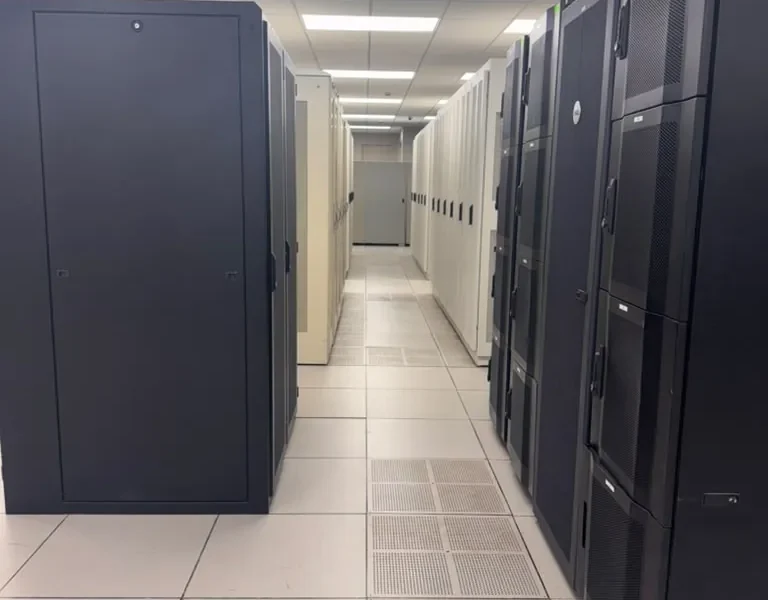
IT outsourcing refers to the practice of hiring third-party service providers to handle specific IT functions or projects, such as software development, infrastructure management, or technical support. This approach allows businesses to leverage external expertise, reduce operational costs, and focus on core competencies.
According to a report by Statista, the global IT outsourcing market is projected to reach over $400 billion by 2025. This growth illustrates the increasing reliance on outsourced solutions across various industries.
Advantages of IT Outsourcing
- Cost Savings: Outsourcing can significantly reduce labor and operational costs. Businesses can avoid expenses related to recruitment, training, and employee benefits.
- Access to Expertise: By outsourcing, companies gain access to specialized skills and knowledge that may not be available in-house. This is particularly beneficial for startups and small businesses.
- Scalability: Outsourcing allows businesses to quickly scale operations up or down based on project demands without the long-term commitment of hiring full-time staff.
- Focus on Core Business: By delegating IT tasks to external providers, companies can concentrate on their primary business functions and strategic goals.
Disadvantages of IT Outsourcing
- Communication Challenges: Working with remote teams can lead to misunderstandings and delays. Time zone differences and cultural barriers may complicate collaboration.
- Less Control: Outsourcing can result in a lack of oversight over the quality of work and adherence to company standards.
- Data Security Risks: Sharing sensitive information with third-party providers can pose security risks, making it essential to choose reputable partners.
Building an In-House Tech Team
On the other hand, building an in-house tech team involves hiring employees to manage and execute IT functions within the organization. This approach allows for greater control, alignment with company culture, and direct communication.
Advantages of an In-House Tech Team
- Control and Oversight: Having an in-house team allows for better control over projects, ensuring alignment with company goals and quality standards.
- Team Cohesion: In-house teams often share the same organizational culture, which can lead to improved collaboration and morale.
- Immediate Availability: An in-house team is readily available for immediate troubleshooting and support, reducing downtime.
- Intellectual Property Protection: Keeping development in-house can better protect sensitive information and proprietary technology.
Disadvantages of an In-House Tech Team
- Higher Costs: Recruiting, training, and maintaining a full-time staff can be significantly more expensive than outsourcing.
- Limited Skill Set: In-house teams may lack the specialized skills needed for certain projects, requiring additional training or hiring.
- Resource Constraints: Smaller businesses may struggle to allocate sufficient resources for a full-fledged tech team.
Comparative Analysis: Outsourcing vs. In-House
| Factor | IT Outsourcing | In-House Tech Team |
|---|---|---|
| Cost | Generally lower operational costs | Higher costs due to salaries and benefits |
| Expertise | Access to a wide range of specialized skills | Limited to the team’s existing skills and knowledge |
| Control | Less control over processes and outcomes | Greater control over projects and quality |
| Scalability | Easy to scale resources as needed | Scaling may require hiring and training |
| Communication | Potential language and cultural barriers | Direct communication within the team |
Factors to Consider When Choosing
When deciding between IT outsourcing and building an in-house tech team, several factors should be evaluated:
1. Business Goals
Align your choice with your overall business strategy. If rapid growth and flexibility are priorities, outsourcing may be more suitable. Conversely, if long-term projects and control are essential, an in-house team might be better.
2. Budget Constraints
Analyze your budget and determine which option aligns with your financial capabilities. Consider both short-term and long-term costs associated with each approach.
3. Project Complexity
For complex projects requiring specialized skills, outsourcing can provide access to experts. For projects needing continuous oversight, an in-house team may be more appropriate.
4. Talent Availability
Evaluate the local talent pool. If skilled professionals are scarce in your area, outsourcing may provide a more viable solution.
Expert Insights and Tips
To help guide your decision-making process, consider the following expert tips:
FAQs
1. What are the benefits of IT outsourcing?
IT outsourcing offers cost savings, access to specialized expertise, and the ability to scale operations quickly.
2. How do I choose between outsourcing and building a tech team?
Consider your business goals, budget constraints, project complexity, and talent availability when making your decision.
3. What are the risks associated with IT outsourcing?
Communication challenges, less control over quality, and potential data security risks are common concerns with outsourcing.
4. Can a hybrid approach be beneficial?
Yes, many businesses find value in a hybrid approach, using in-house resources for core functions while outsourcing specialized tasks.
5. How can I ensure data security when outsourcing?
Choose reputable partners, establish clear data protection agreements, and regularly audit compliance with security standards.
6. What industries benefit most from IT outsourcing?
Industries such as healthcare, finance, and technology often benefit from outsourcing due to the need for specialized skills and cost management.
7. How can I evaluate the performance of an outsourced team?
Set clear expectations, establish KPIs, and maintain regular communication to assess performance effectively.
8. What is the future of IT outsourcing?
The future of IT outsourcing is expected to grow, with an increasing emphasis on cloud solutions, AI, and cybersecurity.