

Essential SaaS Security Best Practices: Protecting Customer Data
In the rapidly evolving world of Software as a Service (SaaS), security has become a paramount concern for businesses and customers alike. With increasing data breaches and cyber threats, SaaS providers must prioritize robust security measures to protect customer data and build trust. This comprehensive guide will delve into essential SaaS security best practices, offering actionable insights and strategies to safeguard sensitive information. By implementing these practices, businesses can enhance their security posture, foster customer confidence, and ensure compliance with regulatory standards.
Understanding the Importance of SaaS Security
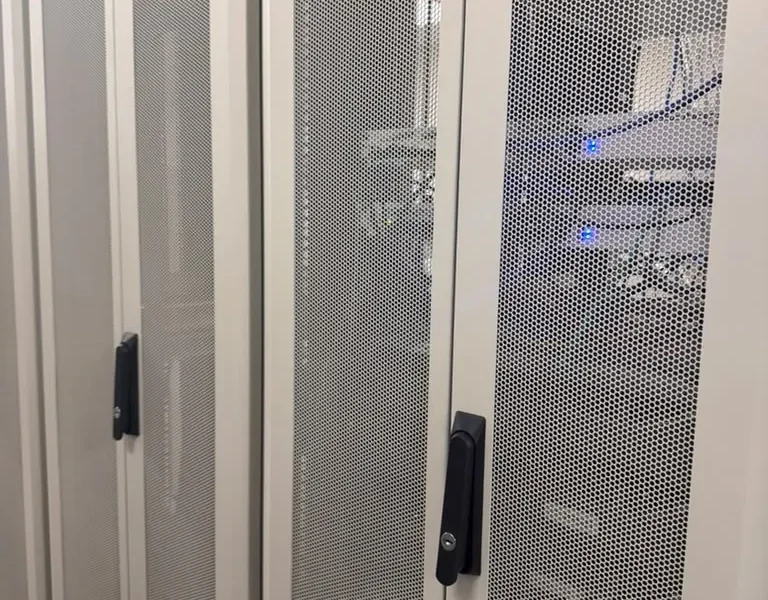
SaaS security is critical for safeguarding customer data and maintaining a competitive edge in the market. As more businesses adopt cloud-based solutions, the potential for data breaches and cyberattacks increases. According to the National Cyber Security Centre, small to medium-sized enterprises are particularly vulnerable, often lacking the resources to implement robust security measures. A breach not only compromises sensitive information but can also lead to significant financial losses and reputational damage.
By prioritizing SaaS security, companies can protect their customers’ sensitive information, comply with data protection regulations, and enhance their overall reputation. Implementing best practices in security not only helps in preventing breaches but also builds trust with customers, which is essential for long-term success.
Key Security Challenges for SaaS Providers
SaaS providers face numerous security challenges that can jeopardize customer data. Understanding these challenges is the first step toward implementing effective security measures:
- Data Breaches: Unauthorized access to sensitive customer data is a significant concern. Cybercriminals often target SaaS platforms to exploit vulnerabilities.
- Insider Threats: Employees or contractors with access to sensitive data may inadvertently or maliciously compromise security.
- Compliance Requirements: Adhering to data protection regulations such as GDPR, HIPAA, and CCPA can be challenging, especially for global SaaS providers.
- Third-Party Risks: Integrating third-party services or APIs can introduce vulnerabilities that may lead to data breaches.
- Phishing Attacks: Employees may fall victim to phishing schemes, inadvertently providing access to malicious actors.
Recognizing these challenges allows SaaS providers to develop targeted strategies to mitigate risks and enhance security.
Best Practices for SaaS Security
Implementing best practices in SaaS security is crucial for protecting customer data. Here are key strategies to consider:
1. Data Encryption
Data encryption should be a fundamental aspect of any SaaS security strategy. By encrypting data both in transit and at rest, SaaS providers can ensure that even if data is intercepted, it remains unreadable to unauthorized users. This is particularly important for sensitive customer information, such as payment details and personal data.
2. Multi-Factor Authentication (MFA)
Implementing multi-factor authentication adds an extra layer of security by requiring users to provide multiple forms of verification before accessing their accounts. This significantly reduces the risk of unauthorized access, especially if login credentials are compromised.
3. Regular Security Audits
Conducting regular security audits helps identify potential vulnerabilities within the SaaS platform. These audits should include penetration testing, vulnerability assessments, and compliance checks to ensure that security measures are effective and up to date.
4. Access Control
Implementing strict access control measures ensures that only authorized personnel can access sensitive data. Role-based access controls (RBAC) can help limit access based on user roles, minimizing the risk of insider threats.
5. Data Backup and Recovery
Regular data backups are essential for protecting against data loss due to breaches, system failures, or natural disasters. SaaS providers should establish a comprehensive data backup and recovery plan to ensure business continuity.
6. Secure APIs
As SaaS platforms often integrate with third-party services, securing APIs is crucial. This includes implementing authentication, authorization, and encryption protocols to protect data exchanged between systems.
7. Incident Response Plan
Having a well-defined incident response plan is essential for addressing security breaches quickly and effectively. This plan should outline roles and responsibilities, communication protocols, and steps for containment, investigation, and recovery.
8. Compliance and Regulatory Standards
Staying compliant with relevant regulations is vital for SaaS providers. This includes understanding and implementing measures required by regulations such as GDPR, HIPAA, and PCI DSS. Compliance not only protects customer data but also mitigates legal risks.
Implementing a Security Framework
To effectively manage SaaS security, organizations should adopt a comprehensive security framework. The NIST Cybersecurity Framework provides a structured approach, encompassing the following core functions:
- Identify: Understand the organization’s environment, assets, and risks.
- Protect: Implement safeguards to mitigate risks.
- Detect: Establish mechanisms to identify cybersecurity events.
- Respond: Develop an incident response plan to manage security incidents.
- Recover: Implement strategies for recovery after a security breach.
By adopting a structured framework, SaaS providers can systematically address security challenges and enhance their overall security posture.
Employee Training and Awareness
Employees are often the first line of defense in SaaS security. Regular training and awareness programs are essential for equipping staff with the knowledge to recognize and respond to security threats. Here are some key components of an effective training program:
- Phishing Awareness: Educate employees on recognizing phishing attempts and suspicious emails.
- Data Handling Practices: Train staff on secure data handling and storage procedures.
- Incident Reporting: Encourage employees to report security concerns promptly.
Creating a culture of security awareness fosters a proactive approach to protecting customer data and minimizes the risk of human error.
Monitoring and Incident Response
Continuous monitoring is essential for detecting and responding to security incidents promptly. Implementing security information and event management (SIEM) systems can help analyze security alerts in real-time. Additionally, organizations should establish a clear incident response protocol, including:
- Detection: Identify potential security incidents through monitoring.
- Assessment: Evaluate the severity and impact of the incident.
- Containment: Limit the spread of the incident to minimize damage.
- Eradication: Remove the root cause of the incident.
- Recovery: Restore systems and data to normal operations.
By having a robust monitoring and incident response strategy in place, SaaS providers can mitigate the impact of security breaches and protect customer data.
Building Trust Through Transparency
Transparency is vital for building trust with customers. SaaS providers should communicate their security practices and policies clearly, demonstrating their commitment to protecting customer data. This includes:
- Regular Security Updates: Inform customers about security enhancements and updates.
- Incident Disclosure: Be transparent about security incidents and how they were addressed.
- Compliance Certifications: Share information about compliance with industry standards and regulations.
By fostering transparency, SaaS providers can build strong relationships with their customers and enhance their reputation in the market.
Conclusion and Action Steps
In conclusion, implementing robust SaaS security best practices is crucial for protecting customer data and building trust. By understanding the importance of security, recognizing key challenges, and adopting best practices, SaaS providers can enhance their security posture and mitigate risks. Here are actionable steps to take:
- Conduct a thorough security assessment of your SaaS platform.
- Implement data encryption and multi-factor authentication.
- Establish a comprehensive incident response plan.
- Train employees on security awareness and best practices.
- Foster transparency with customers regarding security measures.
By prioritizing security, SaaS providers can not only protect customer data but also strengthen their position in the marketplace.
FAQs
What are some common SaaS security risks?
Common SaaS security risks include data breaches, insider threats, compliance challenges, and third-party risks. Understanding these risks is essential for effective security management.
Why is data encryption important for SaaS security?
Data encryption protects sensitive information by making it unreadable to unauthorized users, ensuring confidentiality and integrity.
How can multi-factor authentication enhance security?
Multi-factor authentication adds an additional layer of security by requiring users to provide multiple forms of verification, reducing the risk of unauthorized access.
What role do security audits play in SaaS security?
Security audits help identify vulnerabilities within the SaaS platform, allowing organizations to address potential risks proactively.
How can organizations ensure compliance with data protection regulations?
Organizations can ensure compliance by understanding relevant regulations, implementing required security measures, and regularly reviewing their compliance status.
What is an incident response plan?
An incident response plan outlines the steps to take in the event of a security incident, including detection, containment, eradication, and recovery.
How can employee training improve SaaS security?
Employee training raises awareness of security threats and equips staff with the knowledge to recognize and respond to potential risks effectively.
What is the NIST Cybersecurity Framework?
The NIST Cybersecurity Framework provides a structured approach for managing cybersecurity risks, encompassing core functions such as identify, protect, detect, respond, and recover.
Why is transparency important for building customer trust?
Transparency demonstrates a commitment to security and fosters trust, as customers are more likely to engage with organizations that openly communicate their security practices.
What should be included in a SaaS security policy?
A SaaS security policy should include guidelines for data protection, access control, incident response, employee training, and compliance requirements.
How often should security audits be conducted?
Security audits should be conducted regularly, with frequency determined by the organization’s risk profile and regulatory requirements.
What are the benefits of implementing SaaS security best practices?
Implementing SaaS security best practices enhances customer data protection, reduces the risk of breaches, ensures compliance, and builds trust with customers.