

The Future of Workspaces: How Hybrid Offices Are Replacing Traditional Offices
As the world continues to evolve, so do our workspaces. The traditional office, once a staple of the corporate landscape, is being transformed into something more flexible and adaptable. The rise of hybrid offices is changing the way we think about work environments, offering a blend of remote and in-office work that caters to the needs of modern professionals. In this article, we will explore the future of workspaces, the benefits of hybrid offices, and how this shift is shaping the way we work.
Understanding Hybrid Offices
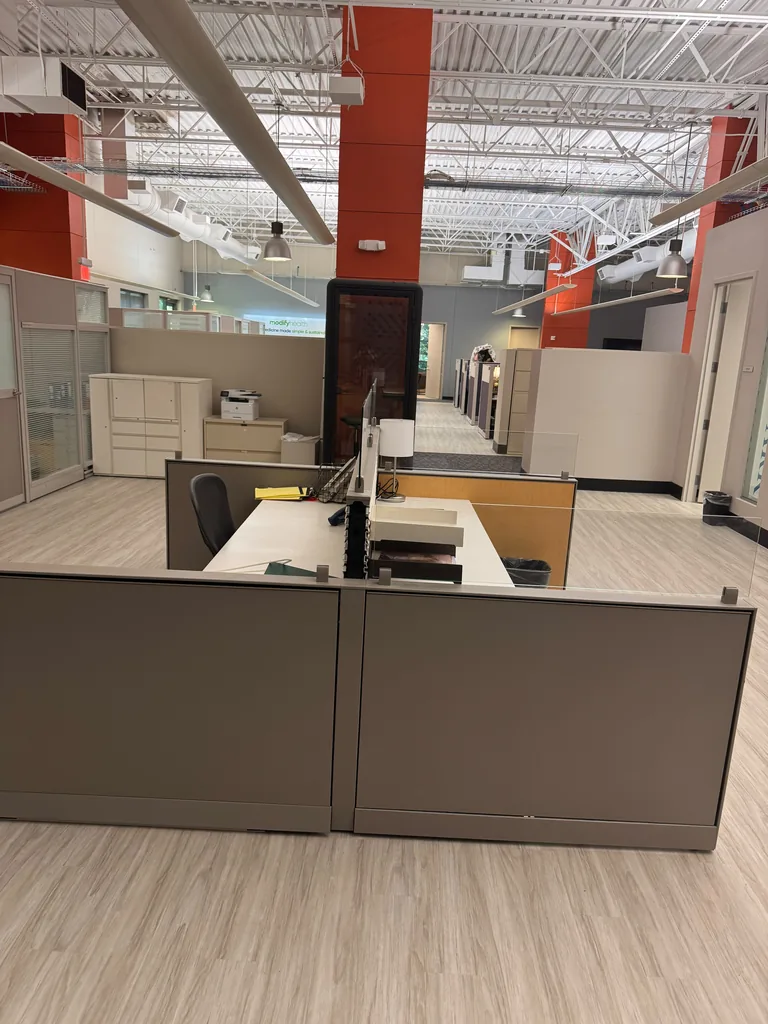
Hybrid offices are workspaces that combine elements of traditional office settings with remote work capabilities. This approach allows employees to split their time between working from home and working in the office, creating a more flexible and dynamic work environment. The rise of hybrid offices has been accelerated by advancements in technology and changing workforce expectations, particularly in the wake of the COVID-19 pandemic.
The Evolution of Workspaces
The concept of the office has evolved significantly over the years. In the past, offices were characterized by rigid structures, fixed desks, and a one-size-fits-all approach. However, as businesses began to recognize the importance of employee wellbeing and productivity, the demand for more flexible work environments grew.
The pandemic acted as a catalyst for this transformation, forcing companies to adapt quickly to remote work. As a result, many organizations discovered that employees could be just as productive, if not more so, when working from home. This realization has led to the adoption of hybrid office models, which offer a balance between the benefits of in-person collaboration and the flexibility of remote work.
Benefits of Hybrid Offices
Hybrid offices present numerous advantages for both employers and employees. Some of the key benefits include:
1. Flexibility
One of the most significant benefits of hybrid offices is flexibility. Employees can choose when and where they work, allowing them to tailor their schedules to fit their personal lives. This flexibility can lead to improved work-life balance, increased job satisfaction, and higher retention rates.
2. Cost Savings
For businesses, hybrid offices can result in substantial cost savings. By reducing the need for large, dedicated office spaces, companies can lower overhead costs associated with rent, utilities, and maintenance. Additionally, employees may save on commuting expenses and work-related costs.
3. Increased Productivity
Studies have shown that employees often experience increased productivity when working in a hybrid model. The ability to work in a comfortable environment, free from the distractions of a traditional office, can lead to better focus and efficiency. Furthermore, the option to collaborate in person when needed fosters teamwork and innovation.
4. Access to a Broader Talent Pool
Hybrid offices enable companies to tap into a global talent pool. With remote work capabilities, businesses are no longer limited to hiring employees within a specific geographical area. This expanded talent pool can lead to a more diverse and skilled workforce.
5. Enhanced Employee Wellbeing
Employee wellbeing is a critical component of a successful workplace. Hybrid offices allow employees to work in environments that suit their needs, whether that means enjoying the comfort of their homes or the collaborative atmosphere of the office. This flexibility can lead to reduced stress levels and improved mental health.
Challenges of Hybrid Offices
While hybrid offices offer numerous benefits, they also present unique challenges that organizations must address. Some of these challenges include:
1. Communication Gaps
Maintaining effective communication in a hybrid environment can be tricky. Teams may struggle to stay connected, leading to misunderstandings and potential conflicts. Organizations must implement tools and practices that foster open communication and ensure all team members are aligned.
2. Managing Performance
Measuring employee performance can be more complex in a hybrid model. Managers need to establish clear expectations and outcomes to ensure that employees remain accountable for their work, regardless of where they are located.
3. Technology Infrastructure
For hybrid offices to function effectively, businesses must invest in reliable technology infrastructure. This includes collaboration tools, video conferencing software, and secure networks to facilitate seamless communication and collaboration among remote and in-office employees.
4. Company Culture
Maintaining a strong company culture can be challenging in a hybrid environment. Organizations need to be proactive in creating opportunities for team bonding and engagement, both online and in-person, to foster a cohesive culture.
Implementing a Hybrid Office Model
Transitioning to a hybrid office model requires careful planning and consideration. Here are some steps organizations can take to implement a successful hybrid workspace:
1. Assess Employee Needs
Start by conducting surveys or focus groups to understand employees’ preferences and needs. This feedback can help shape the hybrid model, ensuring it aligns with what employees want and need.
2. Invest in Technology
Ensure that your organization has the necessary technology infrastructure to support hybrid work. This may involve investing in collaboration tools, video conferencing software, and secure networks to facilitate seamless communication.
3. Establish Clear Guidelines
Develop clear guidelines for hybrid work, outlining expectations for communication, performance, and in-office attendance. This clarity will help employees navigate the hybrid model and understand their responsibilities.
4. Foster a Strong Company Culture
Be proactive in creating opportunities for team bonding and engagement. Schedule regular team meetings, virtual events, and in-person gatherings to maintain a strong company culture.
5. Monitor and Adapt
Regularly assess the effectiveness of your hybrid model and be open to making adjustments based on employee feedback and changing circumstances. Flexibility is key to the success of a hybrid workspace.
The Role of Coworking Spaces in Hybrid Offices
Coworking spaces play a vital role in the hybrid office model. These flexible work environments provide employees with the option to work in a professional setting without the commitment of a traditional office lease. Coworking spaces, such as those offered by World Park, offer modern private offices and coworking environments that cater to the needs of startups and established businesses alike.
1. Flexibility and Affordability
Coworking spaces provide flexible membership and workspace plans, allowing businesses to scale their office needs based on demand. This flexibility is especially beneficial for startups and small businesses that may not have the resources for a full-time office.
2. Networking Opportunities
Coworking spaces foster a collaborative community, providing opportunities for networking and business development. Organizations can host business networking events and startup events, connecting members with potential clients, partners, and investors.
3. Professional Amenities
Modern coworking spaces often include professional podcast and video production studios, innovation-focused collaborative areas, and enterprise-grade technology infrastructure. These amenities support content creation and media production, enabling businesses to thrive in a competitive landscape.
Conclusion
The future of workspaces is undoubtedly shifting toward hybrid offices, as organizations adapt to the changing needs of their employees and the evolving landscape of work. By embracing flexibility, investing in technology, and fostering a strong company culture, businesses can create an environment that supports productivity, wellbeing, and collaboration. As we move forward, hybrid offices are likely to become the new norm, reshaping the way we work for years to come.
Frequently Asked Questions (FAQ)
1. What is a hybrid office?
A hybrid office is a workspace that combines remote work capabilities with traditional in-office work, allowing employees to split their time between home and the office.
2. What are the benefits of a hybrid office model?
Benefits include flexibility, cost savings, increased productivity, access to a broader talent pool, and enhanced employee wellbeing.
3. What challenges do hybrid offices face?
Challenges include communication gaps, managing performance, technology infrastructure, and maintaining company culture.
4. How can organizations implement a hybrid office model?
Organizations can assess employee needs, invest in technology, establish clear guidelines, foster company culture, and monitor and adapt as necessary.
5. What role do coworking spaces play in hybrid offices?
Coworking spaces provide flexible work environments, networking opportunities, and professional amenities that support the hybrid office model.
6. How can hybrid offices improve employee wellbeing?
Hybrid offices allow employees to work in environments that suit their needs, leading to improved work-life balance and reduced stress levels.
7. Can hybrid offices enhance productivity?
Yes, studies show that employees often experience increased productivity in hybrid models due to the flexibility and comfort of their work environments.
8. What technology is essential for hybrid offices?
Essential technology includes collaboration tools, video conferencing software, and secure networks to facilitate effective communication and teamwork.
9. How can companies maintain company culture in a hybrid model?
Companies can maintain culture by organizing team bonding activities, virtual events, and regular in-person gatherings to engage employees.
10. What is the future of hybrid offices?
The future of hybrid offices is expected to grow as more organizations recognize the benefits of flexibility, employee wellbeing, and productivity in the workplace.