Why Hybrid Work Is Reshaping Office Design: A Comprehensive Insight
The traditional office model has undergone a seismic shift in recent years, primarily driven by the rise of hybrid work. This approach combines remote work with in-office presence, creating a flexible environment that caters to the evolving needs of businesses and employees alike. In this article, we will explore how hybrid work is reshaping office design, the benefits it brings, and what the future may hold for workspaces.
The Rise of Hybrid Work
Hybrid work emerged as a necessity during the COVID-19 pandemic, but it has since evolved into a preferred model for many organizations. Employees appreciate the flexibility it offers, allowing them to choose where and when they work. According to a survey by Gartner, 82% of company leaders plan to allow employees to work remotely at least part of the time in the future.
Key Factors Influencing Office Design
1. Flexibility and Adaptability
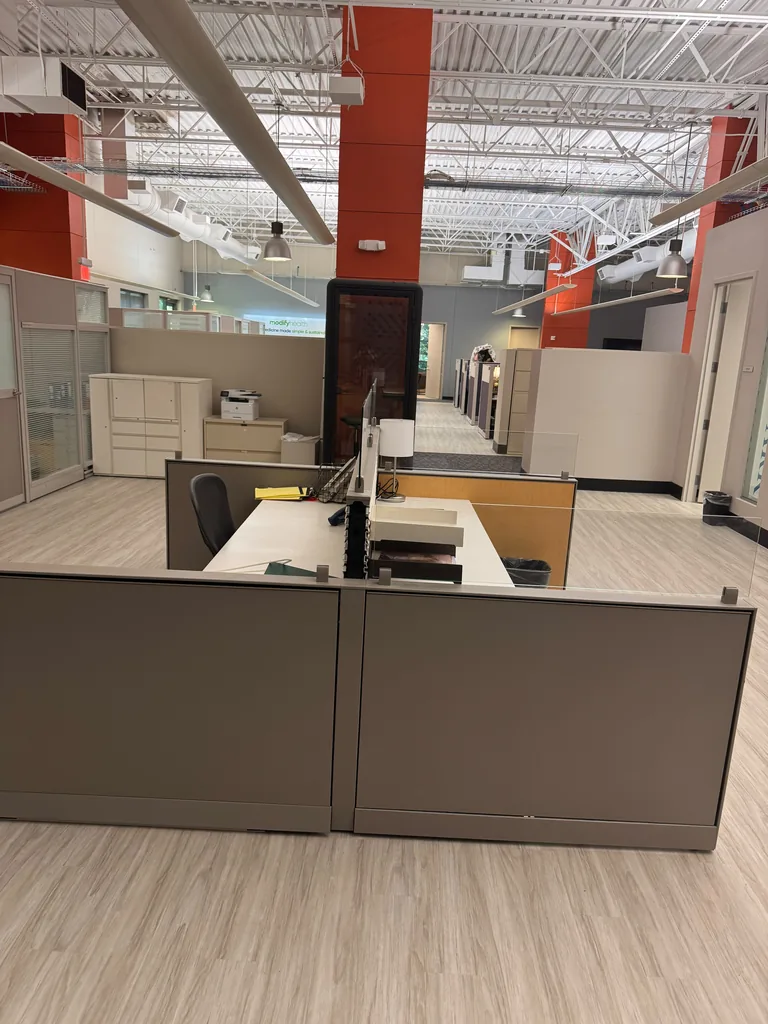
One of the most significant changes in office design is the shift towards flexibility. Modern workspaces must be adaptable to accommodate varying team sizes and work styles. This demand for flexibility has led to the rise of open floor plans, modular furniture, and multipurpose spaces that can be reconfigured as needed.
2. Technology Integration
The integration of technology into office design is vital for supporting hybrid work. High-speed internet, video conferencing tools, and cloud-based collaboration software are essential for teams working from different locations. Offices must be equipped with enterprise-grade technology infrastructure that enhances connectivity and productivity.
3. Health and Well-being
Post-pandemic, there is a heightened focus on health and well-being in office design. Employers are prioritizing features such as improved ventilation, access to natural light, and areas for relaxation. These elements contribute to a healthier work environment, which in turn boosts employee morale and productivity.
Transforming Office Layouts
1. Collaborative Spaces
Hybrid work encourages collaboration among team members, regardless of their physical location. As a result, offices are increasingly incorporating collaborative spaces such as breakout rooms, huddle areas, and lounges. These spaces foster creativity and teamwork, allowing employees to brainstorm and innovate together.
2. Focus Areas
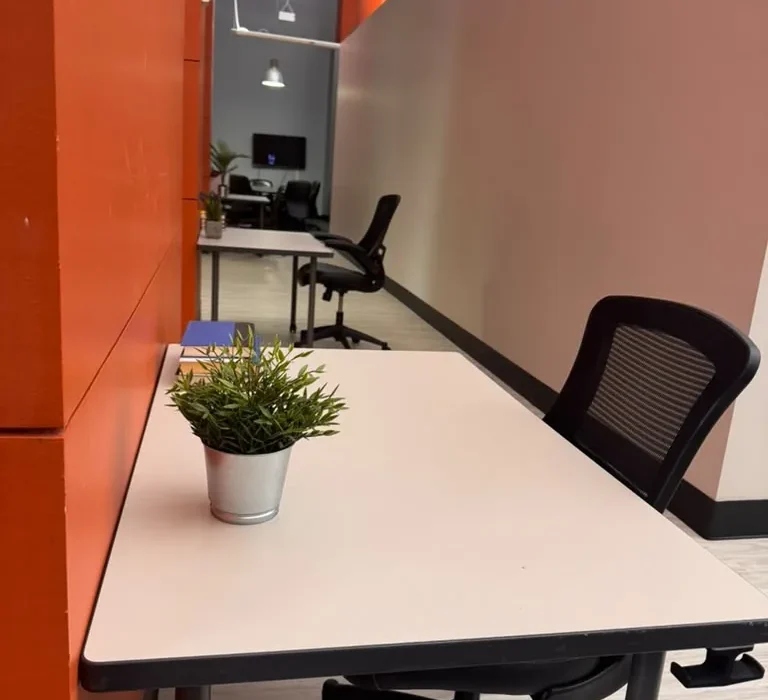
While collaboration is essential, there is also a need for quiet areas where employees can concentrate on their tasks. Office designs are now featuring designated focus zones that minimize distractions. These areas are equipped with soundproofing materials and ergonomic furniture to create a comfortable working environment.
3. Social Spaces
Social interaction is crucial for building a strong company culture. Modern office designs include social spaces such as cafes, game rooms, and outdoor areas where employees can unwind and connect with one another. These informal settings are vital for fostering relationships and enhancing team cohesion.
The Future of Office Design
As hybrid work continues to evolve, so will office design. Here are some trends to watch for in the coming years:
1. Biophilic Design
Biophilic design incorporates natural elements into the workspace, such as plants, water features, and natural light. This design approach not only enhances aesthetics but also promotes well-being and productivity.
2. Technology-Enabled Spaces
As technology advances, office designs will increasingly incorporate smart features. This includes automated lighting, temperature control, and advanced AV systems that facilitate seamless collaboration between in-office and remote employees.
3. Sustainability
With environmental concerns at the forefront, sustainable office design will become a priority. This includes using eco-friendly materials, energy-efficient systems, and practices that reduce the carbon footprint of workspaces.
Conclusion
Hybrid work is undeniably reshaping office design, leading to a more flexible, collaborative, and health-conscious environment. As organizations adapt to this new way of working, the future of office spaces will continue to evolve. By embracing these changes, businesses can create workspaces that not only meet the needs of their employees but also drive innovation and success.
Frequently Asked Questions (FAQ)
1. What is hybrid work?
Hybrid work is a flexible work model that combines remote work with in-office presence, allowing employees to choose where they work.
2. How does hybrid work affect office design?
Hybrid work influences office design by prioritizing flexibility, collaboration, and well-being, leading to more adaptable and multifunctional spaces.
3. What are the benefits of hybrid work?
Benefits of hybrid work include improved work-life balance, increased employee satisfaction, and enhanced productivity.
4. What types of spaces are essential in a hybrid office?
Essential spaces in a hybrid office include collaborative areas, focus zones, and social spaces to promote teamwork and well-being.
5. How can technology improve hybrid workspaces?
Technology enhances hybrid workspaces by providing necessary tools for communication, collaboration, and productivity, such as video conferencing and cloud services.
6. What is biophilic design?
Biophilic design incorporates natural elements into the workspace to improve employee well-being and productivity.
7. What role does sustainability play in office design?
Sustainability is increasingly important in office design, promoting eco-friendly materials and energy-efficient practices to reduce environmental impact.
8. How can companies ensure employee well-being in hybrid work environments?
Companies can ensure employee well-being by creating healthy workspaces with access to natural light, ventilation, and areas for relaxation.
9. What is the future of office design in a hybrid work world?
The future of office design will focus on flexibility, technology integration, sustainability, and creating spaces that foster collaboration and well-being.
10. How can businesses prepare for the shift to hybrid work?
Businesses can prepare for the shift to hybrid work by assessing their current office layout, investing in technology, and creating flexible work policies that support employee preferences.