Comprehensive Data Center Solutions for Small Businesses in Alpharetta, GA
In today’s digital age, small businesses in Alpharetta, GA, face unique challenges when it comes to data management and security. As the reliance on technology continues to grow, the need for robust data center solutions has never been more critical. This article explores the various data center solutions available to small businesses, highlighting their importance, benefits, and how to choose the right option for your business.
Understanding Data Center Solutions
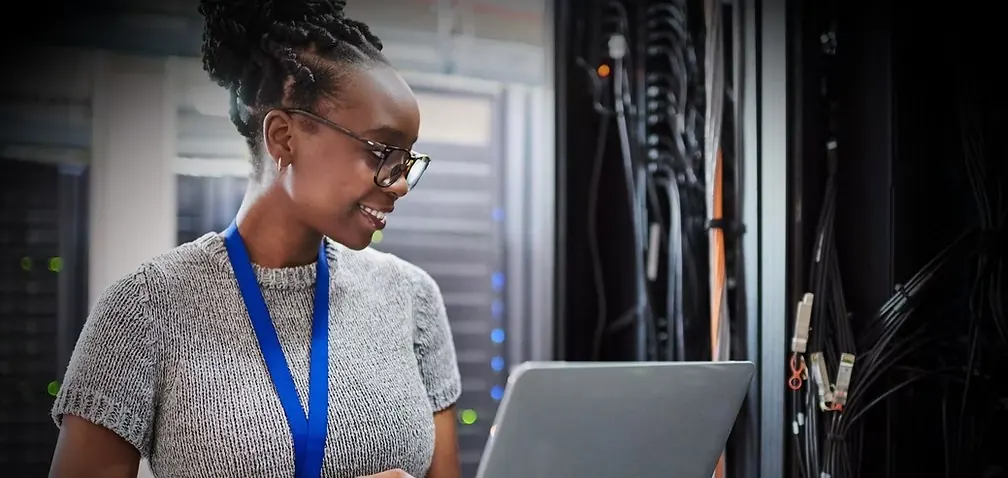
A data center is a facility that houses computer systems and associated components, such as telecommunications and storage systems. Data center solutions encompass a wide range of services, including data storage, backup and recovery, cloud computing, and security. For small businesses, leveraging these solutions can provide a competitive edge while ensuring data safety and operational efficiency.
Why Small Businesses Need Data Center Solutions
Small businesses often operate on limited budgets and resources, making data management a challenging task. Here are several reasons why investing in data center solutions is essential for small businesses:
- Scalability: As businesses grow, their data needs increase. Data centers offer scalable solutions that can adapt to changing requirements.
- Cost Efficiency: Maintaining an in-house data center can be expensive. Outsourcing to a data center can reduce costs associated with hardware, maintenance, and staffing.
- Enhanced Security: Data centers provide advanced security measures to protect sensitive information from cyber threats.
- Business Continuity: With reliable backup and recovery solutions, businesses can ensure continuity even in the face of data loss events.
Types of Data Center Solutions
There are various data center solutions available to small businesses, each catering to different needs and requirements. Here are some of the most common options:
1. Colocation Services
Colocation involves renting space within a data center to house your servers and IT infrastructure. This solution allows businesses to take advantage of the data center’s resources, such as power, cooling, and connectivity, without the costs of building and maintaining their own facility.
2. Cloud Computing
Cloud computing solutions enable businesses to store and access data over the internet rather than on local servers. This option offers flexibility, scalability, and cost savings, as businesses only pay for the resources they use.
3. Managed Hosting
Managed hosting services provide businesses with dedicated server space along with management services. This solution is ideal for companies that want to focus on their core operations while leaving IT management to experts.
4. Data Backup and Recovery
Data backup and recovery solutions are vital for protecting business data from loss due to hardware failures, cyberattacks, or natural disasters. These services ensure that critical data is backed up regularly and can be restored quickly when needed.
5. Hybrid Solutions
Hybrid solutions combine on-premises infrastructure with cloud services to provide a flexible and scalable environment. This approach allows businesses to maintain control over sensitive data while leveraging the benefits of cloud computing.
Choosing the Right Data Center Solution
Selecting the right data center solution for your small business requires careful consideration of several factors:
1. Assess Your Needs
Begin by evaluating your business’s specific data management needs, including storage requirements, security concerns, and budget constraints. Understanding these factors will help you narrow down your options.
2. Consider Scalability
Choose a solution that can grow with your business. Scalability is crucial, as your data needs will likely change over time.
3. Evaluate Security Measures
Security should be a top priority when selecting a data center solution. Ensure that the provider has robust security protocols in place, including encryption, firewalls, and access controls.
4. Look for Reliability and Uptime
Research the provider’s track record for reliability and uptime. A reputable data center should offer a Service Level Agreement (SLA) that guarantees a minimum uptime percentage, typically 99.9% or higher.
5. Assess Support and Management Services
Consider the level of support and management services offered by the provider. Ideally, you should have access to 24/7 support to address any issues that may arise.
Benefits of Utilizing Data Center Solutions
Investing in data center solutions offers numerous benefits for small businesses, including:
1. Cost Savings
By outsourcing data management, small businesses can save on the costs of equipment, maintenance, and staffing.
2. Improved Performance
Data centers are built with enterprise-grade technology, ensuring optimal performance and reliability for business operations.
3. Enhanced Security
Data centers often implement advanced security measures that exceed what most small businesses can achieve on their own.
4. Increased Focus on Core Business
Outsourcing data management allows small business owners to focus on their core competencies rather than IT challenges.
Conclusion
Data center solutions play a critical role in the success of small businesses in Alpharetta, GA. By understanding the various options available and selecting the right solution for your needs, you can enhance your data management capabilities, improve security, and ultimately drive business growth. Whether you choose colocation, cloud computing, managed hosting, or a hybrid solution, the right data center can provide a strong foundation for your business’s future.
Frequently Asked Questions (FAQ)
1. What is a data center?
A data center is a facility that houses computer systems and associated components, providing services such as data storage, backup, and security.
2. Why should small businesses consider data center solutions?
Data center solutions offer scalability, cost efficiency, enhanced security, and business continuity, making them essential for small businesses.
3. What types of data center solutions are available?
Common data center solutions include colocation services, cloud computing, managed hosting, data backup and recovery, and hybrid solutions.
4. How do I choose the right data center solution for my business?
Assess your needs, consider scalability, evaluate security measures, look for reliability and uptime, and assess support services when choosing a solution.
5. What are the benefits of using a data center?
Benefits include cost savings, improved performance, enhanced security, and increased focus on core business operations.
6. Can data centers help with data recovery?
Yes, many data centers offer backup and recovery solutions to protect your data from loss.
7. How secure are data centers?
Data centers typically implement advanced security measures, including encryption, firewalls, and physical security protocols.
8. What is the difference between cloud computing and managed hosting?
Cloud computing allows businesses to store data online, while managed hosting provides dedicated server space with management services.
9. Is it expensive to use data center solutions?
While there may be upfront costs, data center solutions can save money in the long run by reducing the need for in-house IT infrastructure and staff.
10. How can I find reliable data center providers in Alpharetta, GA?
Research online, read reviews, and ask for recommendations from other businesses to find reputable data center providers in your area.
- Why World Park Is Alpharetta’s Premier Business Suite, Innovation Space & Data Center
- Colocation in Atlanta: Secure, Scalable Data Center Solutions
- Top 5 IT Vendors Trusted by Alpharetta Small and Mid-Size Businesses
- Building a Redundant Network for Your Alpharetta Business on Any Budget
- On-site data center colocation and disaster recovery