How Hybrid Work Is Reshaping Office Demand in North Atlanta
The landscape of work has undergone a seismic shift in recent years, largely driven by the COVID-19 pandemic. As companies and employees adapted to remote work, many discovered the benefits of flexibility and the need for a balanced work-life integration. This evolution has led to the emergence of hybrid work models, fundamentally reshaping office demand in North Atlanta. In this article, we will explore the impact of hybrid work on office demand, the benefits of modern workspace solutions, and how businesses can adapt to this new normal.
The Rise of Hybrid Work
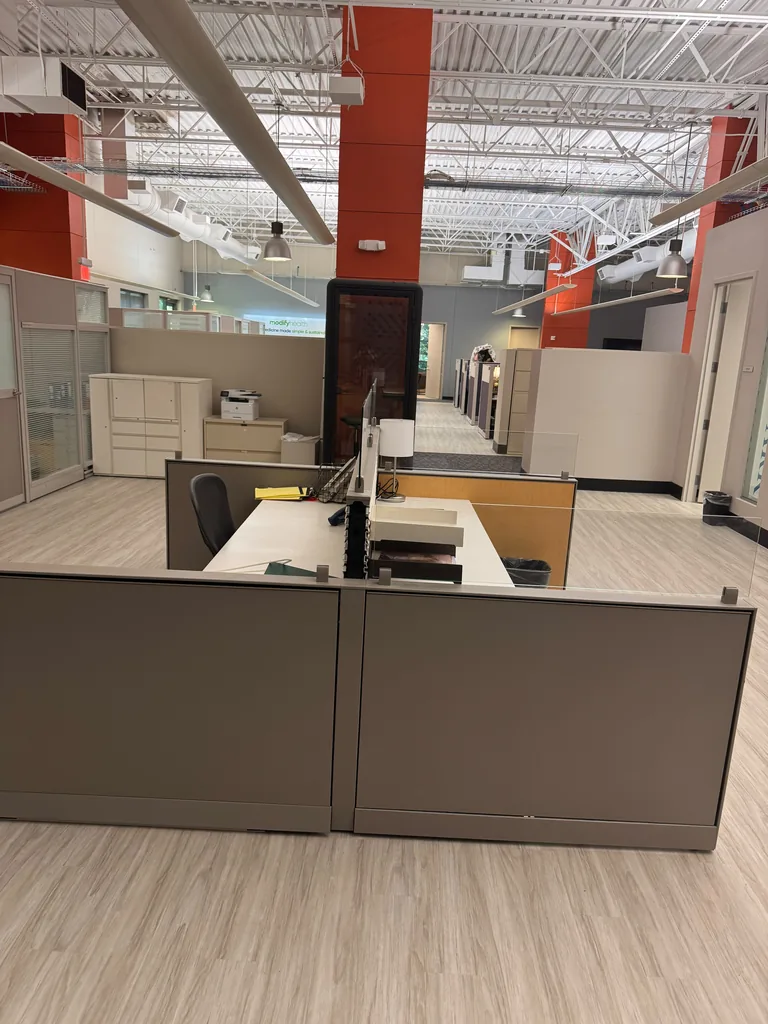
Hybrid work combines the best of both worlds: the flexibility of remote work and the collaborative advantages of in-office work. Employees can choose when to work from home and when to come into the office, allowing for a more personalized work experience. This shift has been fueled by advancements in technology, which enable seamless communication and collaboration regardless of location.
Statistics on Hybrid Work Adoption
According to recent surveys, around 70% of employees are now working in some form of hybrid model. Companies have recognized that flexible work arrangements can enhance productivity, job satisfaction, and employee retention. This trend is particularly prominent in urban areas like North Atlanta, where businesses are re-evaluating their office space requirements.
Impact on Office Demand
As hybrid work models gain traction, the demand for traditional office spaces is evolving. Companies are no longer seeking large, fixed offices but are instead looking for flexible, modern workspaces that can accommodate changing needs.
Decreased Demand for Traditional Office Space
In a hybrid work environment, many employees may only come into the office a few days a week. This decreased frequency has led businesses to reconsider the amount of office space they require. As a result, many companies are downsizing their square footage or transitioning to shared office spaces.
Increased Demand for Flexible Workspaces
Flexible workspace solutions, such as coworking spaces and private offices, have become highly sought after. These environments provide the ability to scale office space up or down as needed, allowing businesses to adapt quickly to changes in workforce size and collaboration requirements.
Benefits of Modern Workspace Solutions
Modern workspace solutions offer various advantages that cater to the needs of hybrid work. Here are some key benefits:
1. Flexibility
With flexible membership and workspace plans, businesses can choose the type of space that best suits their needs. This adaptability allows for quick changes as companies grow or downsize.
2. Enterprise-Grade Technology Infrastructure
Modern workspaces come equipped with state-of-the-art technology, ensuring that employees have access to the tools they need for effective collaboration and productivity. This infrastructure supports remote work and in-office connectivity.
3. Collaborative Community
Flexible workspaces foster a collaborative environment that encourages networking and knowledge sharing. This community aspect is vital for startups and businesses looking to innovate and grow.
4. Professional Production Studios
For companies focused on content creation, having access to professional podcast and video production studios can enhance their marketing efforts and brand visibility. These resources are particularly valuable in a hybrid work environment.
Adapting to the New Normal
Businesses in North Atlanta must adapt to the changing office demand landscape by embracing hybrid work models and flexible workspace solutions. Here are some strategies for successfully navigating this transition:
1. Assess Your Workspace Needs
Begin by evaluating your current workspace requirements. Consider how many employees will be in the office at any given time and what type of space they will need. This assessment will help identify whether a flexible workspace solution is right for your business.
2. Embrace Technology
Invest in technology that supports hybrid work. This includes tools for collaboration, project management, and communication. Ensure that both remote and in-office employees have access to the same resources for a seamless experience.
3. Foster a Collaborative Culture
Encourage a culture of collaboration, regardless of where employees are working. Implement regular check-ins, virtual team-building activities, and opportunities for in-person meetings to strengthen team connections.
4. Utilize Professional Studios
Take advantage of professional podcast and video production studios available in flexible workspaces. This can help create high-quality content that enhances your brand and connects with your audience.
Conclusion
The rise of hybrid work is reshaping office demand in North Atlanta, prompting businesses to rethink their workspace strategies. By embracing flexible workspaces and modern technology, companies can adapt to the evolving landscape and create a productive environment for their employees. As we move forward, it is clear that the future of work lies in flexibility, collaboration, and innovation.
FAQs
1. What is hybrid work?
Hybrid work is a flexible work model that allows employees to work both remotely and in the office, often based on their preferences or company policies.
2. How has hybrid work affected office demand?
Hybrid work has decreased the demand for traditional, fixed office spaces while increasing the popularity of flexible workspaces.
3. What are the benefits of flexible workspaces?
Flexible workspaces provide adaptability, access to enterprise-grade technology, a collaborative community, and professional production studios.
4. How can businesses assess their workspace needs?
Companies can evaluate their workspace needs by considering employee attendance patterns and required collaboration spaces.
5. What technology is essential for hybrid work?
Essential technology for hybrid work includes collaboration tools, project management software, and communication platforms that support remote and in-office work.
6. How can companies foster a collaborative culture in a hybrid work environment?
Companies can encourage collaboration through regular check-ins, virtual team-building activities, and opportunities for in-person meetings.
7. Why are professional production studios important for businesses?
Professional production studios enable businesses to create high-quality content, enhancing their marketing and brand visibility.
8. What should businesses prioritize when adapting to hybrid work?
Businesses should prioritize flexibility, technology investment, collaboration, and workspace assessments to successfully adapt to hybrid work.