

What Is a Colocation Data Center and Why Alpharetta Businesses Need One
Introduction
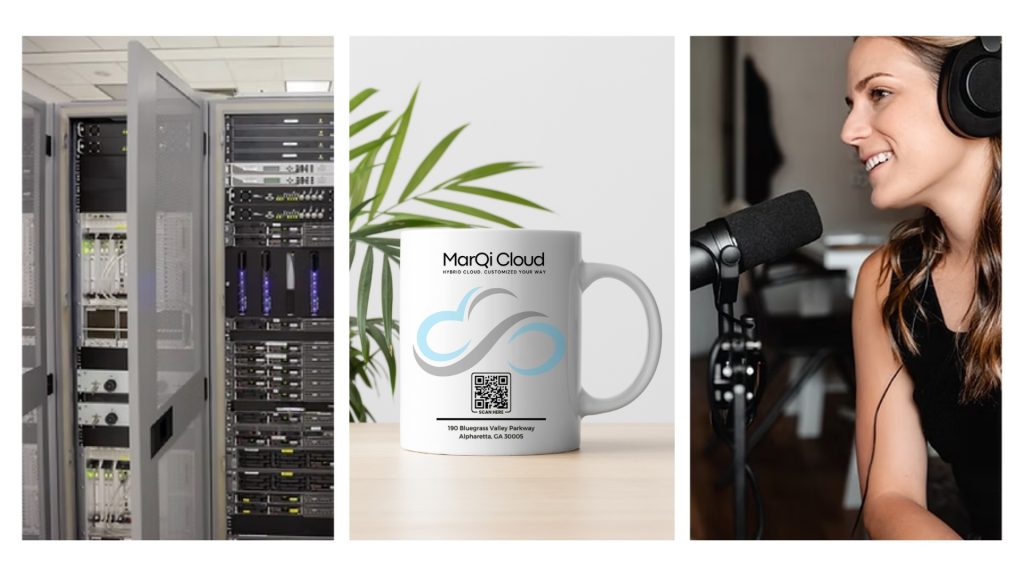
In the rapidly evolving landscape of technology and business, companies face the critical need for reliable, efficient, and secure data management solutions. One such solution that has gained significant traction is the colocation data center. But what exactly is a colocation data center, and why should businesses in Alpharetta consider utilizing one? In this article, we will explore the concept of colocation data centers, their benefits, and how they can empower businesses in Alpharetta to thrive in a competitive environment.
Understanding Colocation Data Centers
Definition of a Colocation Data Center
A colocation data center is a facility where businesses can rent space to house their servers and other computing hardware. Unlike traditional data centers that are owned and operated by a single organization, colocation centers allow multiple businesses to share the same infrastructure while maintaining control over their own servers. This shared environment provides numerous advantages, including cost savings, scalability, and enhanced security.
How Colocation Works
In a colocation setup, businesses lease space for their equipment within a larger data center facility. This leased space typically includes power, cooling, and networking resources, enabling businesses to focus on their core operations while leaving the management of the physical infrastructure to the data center provider. Colocation providers offer various plans and configurations to accommodate different business needs, from small startups to large enterprises.
The Importance of Colocation for Alpharetta Businesses
1. Cost Efficiency
One of the primary reasons businesses in Alpharetta should consider colocation is cost efficiency. Building and maintaining an in-house data center can be prohibitively expensive. Colocation allows businesses to share the costs of infrastructure, power, cooling, and security, resulting in substantial savings. By leveraging the economies of scale that colocation centers offer, businesses can allocate their budgets more effectively.
2. Enhanced Security
Data security is a top concern for businesses of all sizes. Colocation data centers invest heavily in security measures, including physical security protocols, fire suppression systems, and advanced surveillance technology. This level of security is often beyond what a typical business can afford for an in-house setup. For Alpharetta businesses, partnering with a reliable colocation provider ensures that their data is safeguarded against potential threats.
3. Reliability and Uptime
Downtime can be detrimental to any business. Colocation data centers are designed with redundancy and reliability in mind. With multiple power sources, backup generators, and advanced cooling systems, these facilities ensure that servers remain operational even during power outages or equipment failures. For Alpharetta businesses, this reliability translates to uninterrupted service and a better experience for customers.
4. Scalability
As businesses grow, their data management needs evolve. Colocation offers the flexibility to scale up or down based on changing requirements. Whether a business needs to add more servers or reduce its footprint, colocation providers can accommodate these changes without significant disruption. This adaptability is particularly beneficial for startups and small businesses in Alpharetta that may experience rapid growth.
5. Access to Advanced Technology
Colocation centers are equipped with enterprise-grade technology and infrastructure, enabling businesses to leverage cutting-edge solutions without the need for substantial investments. From high-speed internet connections to top-tier hardware, Alpharetta businesses can access the technology they need to stay competitive in their industries.
6. Business Continuity and Disaster Recovery
Having a robust disaster recovery plan is essential for any business, and colocation centers play a critical role in this regard. In the event of a disaster, businesses can quickly access their data and applications stored in the colocation facility, ensuring minimal disruption to operations. This capability is vital for Alpharetta businesses that rely on data continuity to serve their clients effectively.
7. Network Connectivity
Colocation data centers typically provide multiple connectivity options, enhancing network performance and reliability. This connectivity allows businesses to connect to various internet service providers and cloud services, ensuring that they can meet the demands of their customers. For businesses in Alpharetta, having access to a diverse range of networking options is crucial for maintaining a competitive edge.
Choosing the Right Colocation Provider in Alpharetta
1. Assessing Facility Security
When selecting a colocation provider, businesses should evaluate the security measures in place at the facility. Look for features such as biometric access controls, surveillance cameras, and on-site security personnel. These elements are essential for ensuring the safety of critical data.
2. Evaluating Service Level Agreements (SLAs)
Service Level Agreements (SLAs) outline the terms of service between the colocation provider and the business. It is crucial to carefully review these agreements to understand the provider’s uptime guarantees, response times, and support services. A reputable provider should offer clear SLAs that align with your business needs.
3. Understanding Pricing Models
Colocation pricing can vary significantly among providers. Businesses should compare the costs of different providers while considering factors such as bandwidth, power usage, and additional services. Understanding the pricing model will help ensure that businesses choose a colocation provider that meets their budgetary constraints.
4. Considering Location
The physical location of the colocation data center can impact latency and connectivity. For Alpharetta businesses, selecting a data center with a strategic location can enhance performance and reduce latency. Proximity to major internet exchanges and network hubs can provide faster data transfer rates.
5. Seeking Support and Expertise
Finally, consider the level of support and expertise offered by the colocation provider. A knowledgeable support team can make a significant difference in resolving issues quickly and ensuring optimal performance. Look for providers that offer 24/7 support and have a team of experts available to assist.
Conclusion
In today’s data-driven world, colocation data centers offer a robust solution for businesses looking to enhance their data management capabilities while reducing costs and improving security. For companies in Alpharetta, embracing colocation can provide the infrastructure needed to support growth, innovation, and success. By understanding the benefits and carefully selecting the right colocation provider, Alpharetta businesses can position themselves for a prosperous future.
FAQ
1. What is the primary difference between colocation and cloud services?
The primary difference lies in ownership and control. In colocation, businesses own their servers and hardware while sharing space in a data center. In cloud services, businesses use virtual resources managed by a third-party provider.
2. How do I know if colocation is right for my business?
Colocation is ideal for businesses that require control over their hardware, need enhanced security, and want to ensure high uptime. Consider your specific data management needs and budget when deciding.
3. Can I start with a small setup in colocation and scale up later?
Yes, colocation is highly scalable. You can start with a small footprint and expand as your business grows, allowing for flexibility in your data management strategy.
4. What types of businesses benefit most from colocation?
Colocation is beneficial for a wide range of businesses, including startups, enterprises, tech companies, and those in regulated industries that require stringent security measures.
5. Are there any hidden costs associated with colocation?
It’s essential to ask about potential hidden costs, such as bandwidth overages, additional power usage, or support fees. Review the pricing model thoroughly with your provider.
6. How can colocation improve my business’s disaster recovery plan?
Colocation centers typically have built-in redundancy and backup systems, ensuring that your data is protected and accessible during a disaster. This improves recovery times and minimizes downtime.
7. Is it safe to colocate sensitive data?
Yes, colocation providers implement advanced security measures to protect sensitive data. However, it’s crucial to choose a reputable provider with robust security protocols in place.
8. How do I choose the right colocation provider?
Consider factors such as security measures, SLAs, pricing models, location, and the level of support offered. Research and compare different providers to find the best fit for your business.
More on this topic
