
How to Run a Fully Remote Team From a Base in Alpharetta
In the age of digital transformation, remote work has become a viable and sometimes preferred option for many businesses. Managing a fully remote team can be challenging, but with the right strategies in place, it can also lead to increased productivity and employee satisfaction. If you’re based in Alpharetta and considering how to effectively run a remote team, this guide will provide you with insights and actionable steps to create a thriving remote work environment.
Understanding the Remote Work Landscape
Before diving into the specifics of managing a remote team, it’s important to understand the landscape of remote work. The COVID-19 pandemic accelerated the adoption of remote work, pushing many organizations to rethink their operations. Today, remote work is not just a trend; it’s a fundamental shift in the way businesses operate.
The Benefits of Remote Work
Running a remote team offers numerous advantages:
- Access to a Global Talent Pool: You are not limited to hiring talent in your local area. You can choose the best candidates from around the world.
- Cost Savings: You can save on overhead costs associated with maintaining a physical office space.
- Increased Flexibility: Employees can work from anywhere, leading to improved work-life balance.
- Higher Productivity: Many remote workers report being more productive when working from home.
Challenges of Remote Work
However, there are challenges that come with managing a remote team:
- Communication Gaps: Miscommunications can easily occur without face-to-face interactions.
- Isolation: Remote employees may feel disconnected from the team.
- Managing Performance: It can be difficult to monitor productivity and performance remotely.
Setting Up Your Remote Team in Alpharetta
Alpharetta is known for its vibrant business community and modern amenities. To leverage the advantages of running a remote team from this location, you need to establish a solid foundation.
Choosing the Right Technology
Technology is the backbone of a successful remote team. Here are some essential tools:
- Communication Tools: Utilize platforms like Slack or Microsoft Teams for real-time communication.
- Project Management Software: Tools like Trello, Asana, or Monday.com can help manage tasks and deadlines.
- Video Conferencing: Zoom or Google Meet are crucial for virtual meetings.
- File Sharing: Use Google Drive or Dropbox for easy document sharing and collaboration.
Creating a Remote Work Policy
A clear remote work policy sets expectations and guidelines for your team. This policy should include:
- Work hours and availability
- Communication protocols
- Performance metrics
- Data security measures
Building Team Culture
Even when working remotely, maintaining a strong team culture is essential. Consider the following strategies:
- Regular Check-Ins: Schedule one-on-one meetings to discuss progress and concerns.
- Team Building Activities: Organize virtual happy hours or games to foster camaraderie.
- Recognition Programs: Celebrate team achievements to boost morale.
Navigating Communication Challenges
Effective communication is key to remote team success. Here’s how to navigate common communication challenges:
Establishing Clear Communication Channels
Define which channels to use for different types of communication. For example:
- Use email for formal communications.
- Utilize chat for quick questions and updates.
- Reserve video calls for in-depth discussions.
Encouraging Open Communication
Foster an environment where team members feel comfortable sharing their thoughts and feedback. Regularly solicit input from your team to ensure everyone feels valued.
Managing Performance Effectively
Tracking performance in a remote setting can be tricky. Here are some strategies:
Setting Clear Goals
Implement SMART (Specific, Measurable, Achievable, Relevant, Time-bound) goals for each team member. This clarity helps employees understand their responsibilities and targets.
Utilizing Performance Tracking Tools
Incorporate tools like Time Doctor or Toggl to track productivity and hours worked. Regularly review this data to assess performance.
Fostering Employee Engagement and Well-Being
Employee engagement is crucial for a successful remote team. Consider these practices:
Promoting Work-Life Balance
Encourage employees to set boundaries between work and personal life. This balance is essential for maintaining mental health and preventing burnout.
Providing Professional Development Opportunities
Invest in your team’s growth by offering training and development programs. This shows that you value their skills and professional advancement.
Networking and Collaboration Opportunities in Alpharetta
Alpharetta is home to various business networking events and collaborative spaces. Leverage these to enhance your remote team’s experience:
Utilizing Coworking Spaces
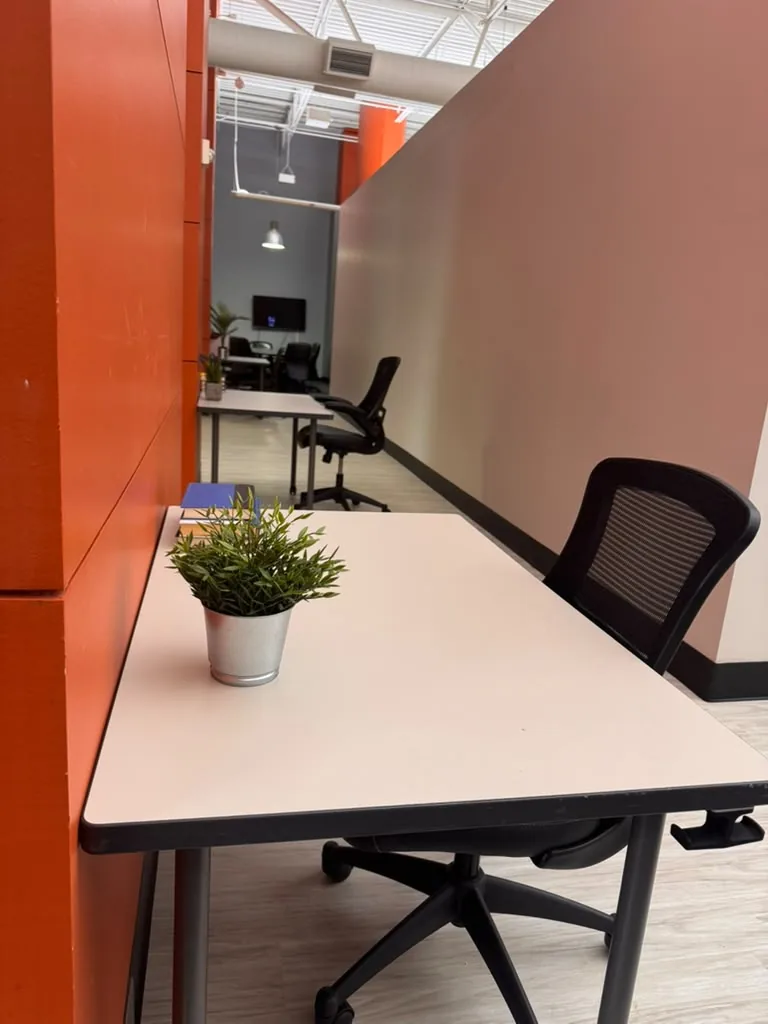
Consider using coworking spaces like World Park, which offers modern private offices and collaborative environments for remote teams. This can provide a change of scenery and opportunities for networking.
Participating in Local Events
Encourage your team to attend local business events or conferences to connect with other professionals and foster collaboration.
Conclusion
Running a fully remote team from a base in Alpharetta presents unique opportunities and challenges. By leveraging modern technology, fostering a strong team culture, and promoting open communication, you can create a thriving remote work environment. Embrace the flexibility and benefits of remote work while ensuring your team remains engaged and productive.
FAQ
1. What tools are essential for managing a remote team?
Essential tools include communication platforms like Slack, project management software like Trello, video conferencing tools like Zoom, and file-sharing services like Google Drive.
2. How can I maintain team culture in a remote setting?
Regular check-ins, virtual team-building activities, and recognition programs can help maintain a strong team culture.
3. What should be included in a remote work policy?
A remote work policy should outline work hours, communication protocols, performance metrics, and data security measures.
4. How can I track employee performance remotely?
Set clear goals and utilize performance tracking tools to monitor productivity and progress.
5. How do I promote work-life balance for my remote team?
Encourage employees to set boundaries between work and personal life and promote regular breaks and time off.
6. What are the benefits of coworking spaces for remote teams?
Coworking spaces offer a professional environment, networking opportunities, and a change of scenery, which can enhance productivity.
7. How can I encourage open communication among my remote team?
Foster a culture of transparency by regularly soliciting feedback and encouraging team members to share their thoughts.
8. What networking opportunities exist in Alpharetta?
Alpharetta hosts various local events, conferences, and networking meetups that remote teams can leverage for collaboration and growth.