
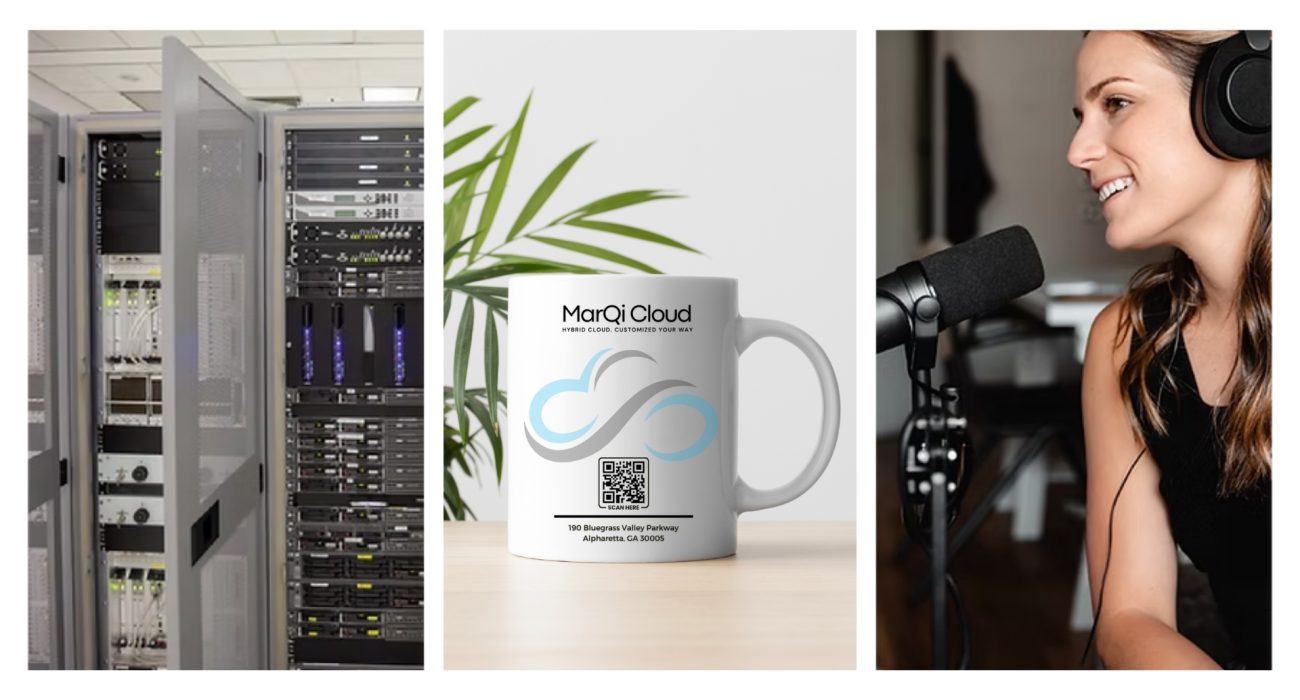
The Future of Data Centers in Georgia – What Every Business Should Know
As technology continues to advance at a rapid pace, the demand for data centers is increasingly becoming a pivotal aspect of business operations across various industries. Georgia has emerged as a significant player in the data center landscape, positioning itself as a prime location for businesses that rely on robust IT infrastructure.
Understanding Data Centers

Before diving into the future of data centers in Georgia, it is essential to understand what data centers are and their role in modern business. A data center is a facility that houses computer systems and associated components, including storage systems, servers, and networking equipment. These centers are responsible for the management, storage, and dissemination of data, making them crucial for businesses that rely on digital information.
The Importance of Data Centers
Data centers play a vital role in supporting business operations by ensuring that data is readily available and secure. They enable businesses to:
- Store vast amounts of data securely.
- Ensure quick and reliable access to information.
- Maintain business continuity and disaster recovery.
- Facilitate cloud computing and hosting services.
- Support e-commerce and online services.
The Current Landscape of Data Centers in Georgia
Georgia has seen a significant surge in data center development over the past few years. The state’s favorable business climate, infrastructure, and skilled workforce have attracted both local and national data center operators.
Key Locations for Data Centers in Georgia
Atlanta, as the capital and largest city of Georgia, has become a central hub for data centers. The city’s strategic location, along with its connectivity to major fiber-optic routes, makes it an ideal choice for companies looking to establish data centers. Other notable areas in Georgia for data centers include:
- Gwinnett County
- Fulton County
- Cobb County
- DeKalb County
Infrastructure and Connectivity
The infrastructure in Georgia is robust, with access to multiple power sources, advanced cooling solutions, and redundancy measures that ensure optimal performance and reliability for data centers. The state’s extensive fiber-optic network provides high-speed connectivity, critical for businesses that require low-latency data transmission.
The Future of Data Centers in Georgia
As we look ahead, several trends are shaping the future of data centers in Georgia. Understanding these trends can help businesses make informed decisions about their data management strategies.
1. Growth of Edge Computing
Edge computing, which involves processing data closer to the source, is expected to gain traction in Georgia. This trend is driven by the increasing demand for real-time data processing in applications such as IoT (Internet of Things) and autonomous vehicles. Data centers that can efficiently support edge computing will be crucial for businesses seeking to leverage these technologies.
2. Sustainability Initiatives
With growing concerns about climate change, the future of data centers will likely involve a strong focus on sustainability. Georgia’s data centers are expected to adopt energy-efficient practices, utilize renewable energy sources, and implement innovative cooling solutions to reduce their carbon footprint.
3. Increased Cybersecurity Measures
As cyber threats continue to evolve, data centers in Georgia will need to prioritize cybersecurity. Businesses should expect data centers to implement advanced security protocols, such as multi-factor authentication, encryption, and regular security audits, to protect sensitive information.
4. Hybrid Cloud Solutions
The hybrid cloud model, which combines public and private cloud services, is becoming increasingly popular among businesses. Data centers in Georgia will likely offer flexible solutions that allow companies to seamlessly integrate their on-premises infrastructure with cloud services, providing greater scalability and efficiency.
5. Enhanced Data Analytics
Data analytics is crucial for businesses to gain insights into their operations and customer behavior. Future data centers will likely invest in advanced analytics tools and AI technologies to help businesses derive actionable insights from their data.
Considerations for Businesses
For businesses in Georgia looking to leverage data centers, several considerations should be taken into account:
1. Assessing Business Needs
Businesses should evaluate their specific data management needs, including storage capacity, data processing speed, and security requirements. Understanding these needs will help in selecting the right data center solutions.
2. Cost Management
While data centers provide essential services, businesses must also consider the associated costs. Evaluating different pricing models, such as pay-as-you-go or fixed pricing, can help businesses manage their budgets effectively.
3. Choosing the Right Provider
Not all data centers are created equal. Businesses should conduct thorough research to find a reputable data center provider with a proven track record of reliability, security, and customer support.
4. Planning for Scalability
As businesses grow, their data needs will change. Choosing a data center that offers scalable solutions will ensure that businesses can adapt to their evolving requirements without significant disruptions.
Conclusion
The future of data centers in Georgia is bright, driven by technological advancements and an ever-increasing reliance on data. Businesses that stay informed about the latest trends and best practices in data management will be well-positioned to thrive in this dynamic environment. By leveraging modern data center solutions, businesses can enhance their operational efficiency, ensure data security, and ultimately achieve their strategic objectives.
FAQs
1. What is a data center?
A data center is a facility that houses computer systems and associated components, including storage systems and networking equipment, used for managing, storing, and disseminating data.
2. Why are data centers important for businesses?
Data centers are crucial for businesses as they ensure secure data storage, quick access to information, business continuity, and support for cloud computing and online services.
3. Where are the major data center locations in Georgia?
Atlanta is the primary hub, with other notable areas including Gwinnett County, Fulton County, Cobb County, and DeKalb County.
4. What trends are shaping the future of data centers in Georgia?
Key trends include the growth of edge computing, sustainability initiatives, increased cybersecurity measures, hybrid cloud solutions, and enhanced data analytics.
5. How can businesses assess their data management needs?
Businesses should evaluate their specific requirements, including storage capacity, processing speed, and security needs, to inform their data center decisions.
6. What should businesses consider when choosing a data center provider?
Businesses should look for a provider with a strong reputation for reliability, security, customer support, and the ability to meet their specific data management needs.
7. How can businesses manage costs associated with data centers?
Businesses can explore different pricing models, such as pay-as-you-go or fixed pricing, to effectively manage their data center expenses.
8. Why is scalability important for data centers?
Scalability is important because as businesses grow, their data needs will change. A scalable data center can adapt to these evolving requirements without significant disruptions.
- Why World Park Is Alpharetta’s Premier Business Suite, Innovation Space & Data Center
- Colocation in Atlanta: Secure, Scalable Data Center Solutions
- Top 5 IT Vendors Trusted by Alpharetta Small and Mid-Size Businesses
- Building a Redundant Network for Your Alpharetta Business on Any Budget
- On-site data center colocation and disaster recovery
