
The Ultimate Business Owner’s Guide to Starting a Branded Podcast
In today’s digital landscape, podcasts have emerged as a powerful medium for businesses to connect with their audience, enhance brand visibility, and establish authority within their industry. For business owners, starting a branded podcast can be an excellent strategy to engage customers, share valuable insights, and drive growth. This comprehensive guide will walk you through everything you need to know about launching a successful branded podcast, from initial planning to execution and promotion. Whether you’re a startup looking to build your brand or an established business seeking to expand your reach, this guide will equip you with the knowledge and tools necessary to create a podcast that resonates with your target audience.
Understanding the Value of a Branded Podcast
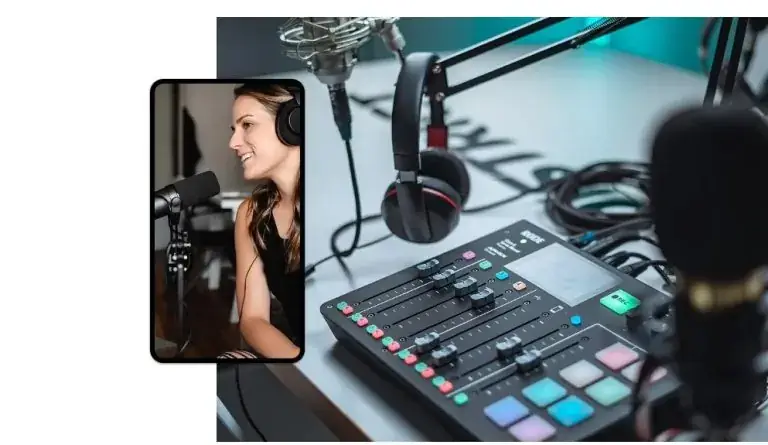
Podcasts offer a unique opportunity for businesses to engage with their audience in a more personal and intimate way. According to the Statista, over 80 million Americans listen to podcasts each week. This growing audience represents a significant market for businesses looking to connect with potential customers. By creating a branded podcast, you can:
- Establish Authority: Sharing expert insights and industry knowledge positions you as a thought leader.
- Build Relationships: Podcasts foster a sense of connection and trust with your audience.
- Drive Engagement: Engaging content encourages listeners to interact with your brand.
- Generate Leads: Well-executed podcasts can lead to increased inquiries and sales.
Planning Your Podcast
Before diving into the technical aspects of podcasting, it’s essential to have a clear plan. Here are the key steps to consider:
Define Your Target Audience
Understanding who your audience is will help you create content that resonates with them. Consider conducting market research to identify their interests, challenges, and preferences.
Establish Podcast Goals
What do you want to achieve with your podcast? Whether it’s brand awareness, lead generation, or community building, having clear goals will guide your content strategy.
Choose a Podcast Format
Decide on the format that best suits your brand and audience. Some popular formats include:
- Interview: Feature guest experts or industry leaders.
- Solo: Share your insights and experiences.
- Panel: Engage in discussions with multiple guests.
- Storytelling: Use narratives to convey your message.
Develop a Content Plan
Outline the topics you want to cover in your episodes. Consider creating a content calendar to stay organized and consistent.
Choosing the Right Equipment
Quality audio is crucial for a successful podcast. Here’s a list of essential equipment you’ll need:
Microphones
Investing in a good microphone is essential. Here are a few recommended options:
| Microphone | Type | Price Range | Best For |
|---|---|---|---|
| Shure SM7B | Dynamic | $400 | Professional quality |
| Audio-Technica ATR2100x | Dynamic | $79 | Budget-friendly |
| Blue Yeti | Condenser | $129 | Versatile use |
Headphones
Closed-back headphones help you monitor audio without feedback. The Audio-Technica ATH-M50x is a popular choice among podcasters.
Audio Interface
To connect your microphone to your computer, an audio interface is necessary. Consider the Focusrite Scarlett 2i2, which provides high-quality audio input.
Recording and Editing Your Podcast
Once you have your equipment, it’s time to record your episodes. Here are some tips:
Recording Software
Choose user-friendly recording software like Audacity or Adobe Audition to edit your audio files.
Recording Environment
Ensure you have a quiet, controlled environment for recording. Consider using soundproofing materials or recording in a dedicated podcast studio like the podcast studios at World Park.
Editing Your Podcast
Editing is crucial for maintaining audio quality and pacing. Remove long pauses, filler words, and background noise for a polished final product.
Publishing and Distributing Your Podcast
After editing, it’s time to publish your podcast. Here’s how to go about it:
Choose a Podcast Hosting Platform
Select a reliable podcast hosting service such as Libsyn or Podbean. These platforms store your episodes and distribute them to various podcast directories.
Submit to Podcast Directories
Make your podcast available on major platforms like Apple Podcasts, Spotify, and Google Podcasts. Each platform has specific submission guidelines, so be sure to follow them closely.
Marketing Your Branded Podcast
Promotion is key to reaching a larger audience. Here are effective strategies:
Leverage Social Media
Utilize platforms like Instagram, Twitter, and LinkedIn to promote new episodes. Create engaging posts that highlight key takeaways or guest appearances.
Collaborate with Other Podcasters
Consider guest appearances on other podcasts to reach new audiences. This cross-promotion can significantly boost your visibility.
Engage with Your Audience
Encourage listener feedback and interaction through social media or email. Engaging with your audience builds a loyal community and encourages word-of-mouth marketing.
Measuring Success and Making Improvements
To ensure your podcast’s growth, it’s essential to track its performance. Here’s how:
Analyze Metrics
Use analytics tools provided by your hosting platform to monitor downloads, listen rates, and audience demographics. This data will help you understand what content resonates with your listeners.
Gather Feedback
Conduct surveys or solicit feedback from your audience to identify areas for improvement. Listening to your audience’s preferences can guide future content decisions.
Continuous Improvement
Regularly review your podcast’s performance and adapt your strategy as necessary. Stay informed about podcast trends and best practices to keep your content fresh and engaging.
FAQs
1. What equipment do I need to start a podcast?
You will need a quality microphone, headphones, and audio editing software. A reliable audio interface is also recommended.
2. How long should my podcast episodes be?
Episodes typically range from 20 minutes to an hour. The key is to keep your content engaging and relevant to your audience.
3. Do I need to have a script for my podcast?
While a script can help organize your thoughts, having a conversational tone is important. Use bullet points to guide your discussion instead.
4. How often should I release new episodes?
Consistency is more important than frequency. Whether you choose to publish weekly, bi-weekly, or monthly, stick to a schedule that works for you.
5. How can I promote my podcast?
Utilize social media, collaborate with other podcasters, and engage with your audience to promote your podcast effectively.
6. Can I monetize my podcast?
Yes, you can monetize through sponsorships, merchandise sales, or crowdfunding platforms like Patreon.
7. What are the best platforms to host my podcast?
Popular podcast hosting platforms include Libsyn, Podbean, and Anchor. Choose one that fits your needs and budget.
8. How do I know if my podcast is successful?
Monitor metrics such as downloads, listener engagement, and audience feedback to gauge the success of your podcast.
9. Should I invest in professional editing?
While it’s not necessary, professional editing can significantly improve audio quality and overall production value.
10. How do I create engaging podcast content?
Focus on topics that resonate with your audience, invite interesting guests, and maintain a conversational tone throughout your episodes.
11. What are the legal considerations for starting a podcast?
Ensure you have the rights to any music or content you use, and consider consulting a legal professional regarding copyright issues.
12. Where can I find guests for my podcast?
Network within your industry, reach out to social media influencers, or use platforms like Podchaser to find potential guests.
Conclusion
Starting a branded podcast can be a transformative strategy for business owners looking to enhance their brand presence and engage their audience. By following the steps outlined in this guide, you can launch a successful podcast that not only showcases your expertise but also builds a loyal community around your brand. Remember to stay consistent, gather feedback, and continuously improve your content to keep your audience engaged. If you need professional podcasting facilities, consider utilizing the podcast studios at World Park for top-notch recording and editing services.
- Your Ultimate Guide to Launching a Professional Podcast in Alpharetta
- Podcast Studio vs. Home Recording: Why Audio Quality Makes or Breaks Your Show
- The Ultimate Guide to Choosing the Right Podcast Format: Solo, Interview, Panel or Narrative
- Ultimate Podcast Marketing Strategies: Social Media, Email & Cross-Promotion
- Podcast studio on campus