

The Future of Startup Campuses in the United States: Trends, Innovations, and Opportunities
As the landscape of entrepreneurship continues to evolve, startup campuses across the United States are transforming to meet the needs of modern innovators. The concept of a startup campus has grown beyond just physical spaces; it now encompasses a collaborative ecosystem that fosters innovation, networking, and growth. In this article, we will explore the future of startup campuses, examining emerging trends, innovations, and opportunities for entrepreneurs.
The Evolution of Startup Campuses
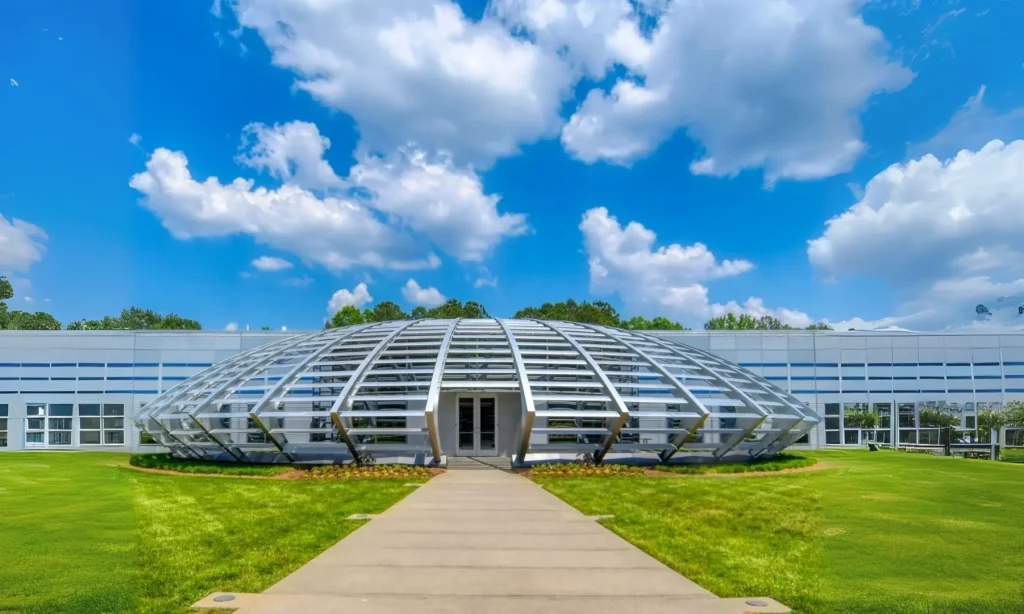
Historically, startup campuses have served as hubs for entrepreneurs, providing them with essential resources, mentorship, and networking opportunities. The rise of coworking spaces and incubators has further integrated these elements, creating vibrant communities where startups can thrive. As technology advances and the demands of the workforce change, the traditional model of startup campuses is being redefined.
From Incubators to Innovation Ecosystems
Startup campuses have traditionally been incubators that offered office space and mentorship. However, the future will see the emergence of innovation ecosystems that provide comprehensive support beyond just workspace. These ecosystems will include access to funding, expert advice, and collaborative partnerships with established companies and universities.
The Role of Technology
Technology plays a crucial role in the transformation of startup campuses. With the advent of enterprise-grade technology infrastructure, startups can access the tools and resources they need to succeed without significant upfront investment. This democratization of technology allows startups to focus on innovation rather than IT concerns.
Trends Shaping the Future of Startup Campuses
Several key trends are shaping the future of startup campuses in the United States:
1. Flexibility and Adaptability
As the work environment changes, so too must the spaces where startups operate. Flexible membership and workspace plans are becoming increasingly important, allowing startups to scale up or down based on their needs. This adaptability is essential in a fast-paced business environment where agility can make or break a company’s success.
2. Emphasis on Community
Successful startups are often built on strong networks. Future startup campuses will prioritize the creation of collaborative communities that encourage networking and knowledge sharing. Events, workshops, and networking opportunities will be integral to fostering these relationships.
3. Focus on Content Creation and Media Production
As content becomes a vital part of marketing and branding, startup campuses will increasingly offer professional podcast and video production studios. This will empower entrepreneurs to create high-quality content that enhances their visibility and engagement with their target audience.
4. Sustainability and Wellness
With a growing focus on sustainability, future startup campuses will likely incorporate eco-friendly practices and wellness initiatives. This includes green building designs, wellness programs, and spaces that promote mental and physical health. A healthy work environment can boost productivity and creativity, ultimately benefiting startups.
5. Global Connectivity
As the world becomes more interconnected, startup campuses will need to facilitate global networking opportunities. This includes partnerships with international startups, access to global markets, and resources for navigating international business landscapes.
Opportunities for Entrepreneurs
The future of startup campuses presents numerous opportunities for entrepreneurs:
1. Access to Resources
Startup campuses of the future will offer a wealth of resources, from funding opportunities to mentorship programs. Entrepreneurs will have access to a diverse range of expertise, helping them navigate the challenges of starting and growing a business.
2. Networking and Collaboration
With an emphasis on community, entrepreneurs will find ample opportunities to connect with like-minded individuals. Collaborative projects, joint ventures, and partnerships will be more common, fostering a spirit of innovation and cooperation.
3. Skill Development
As businesses evolve, so do the skills required to succeed. Startup campuses will provide training and skill development programs tailored to the needs of entrepreneurs, ensuring they stay ahead of industry trends.
4. Enhanced Visibility
Through content creation support and media production facilities, startups will have the tools they need to enhance their visibility in the market. This can lead to increased brand awareness and customer engagement, which are critical for success.
Conclusion
The future of startup campuses in the United States is bright, with numerous trends and innovations on the horizon. By focusing on flexibility, community, technology, and sustainability, these campuses will play a pivotal role in shaping the entrepreneurial landscape. As entrepreneurs seek to navigate the challenges of the modern business world, startup campuses will provide the support and resources necessary for success.
Frequently Asked Questions
1. What is a startup campus?
A startup campus is a physical space that provides resources, mentorship, and networking opportunities for entrepreneurs and startups.
2. How do startup campuses differ from traditional offices?
Startup campuses focus on collaboration and community, offering flexible workspaces and access to resources, while traditional offices are typically more rigidly structured.
3. What resources can I find at a startup campus?
Startup campuses often provide access to funding, mentorship, technology, networking events, and professional production studios.
4. Are startup campuses only for tech companies?
No, startup campuses cater to a wide range of industries, not just technology. They support any business looking to innovate and grow.
5. How can I benefit from joining a startup campus?
Joining a startup campus can provide you with access to resources, networking opportunities, collaborative projects, and skill development programs.
6. What role does technology play in startup campuses?
Technology provides the infrastructure and tools needed for startups to operate efficiently and innovate without significant upfront costs.
7. How do startup campuses promote sustainability?
Many startup campuses incorporate eco-friendly practices, wellness initiatives, and green building designs to promote sustainability.
8. Can startup campuses help with content creation?
Yes, many startup campuses offer professional podcast and video production studios to help entrepreneurs create high-quality content.
