Why Startup Founders Prefer Flexible Offices in 2026
As we progress into 2026, the business landscape continues to evolve, particularly for startup founders navigating the complexities of launching and sustaining their ventures. One significant trend that has emerged is the preference for flexible office spaces. This shift is not merely a fleeting fad; it represents a fundamental change in how entrepreneurs approach their work environments. In this article, we will explore the reasons behind this trend, the advantages of flexible offices, and how they cater to the unique needs of startup founders.
The Shift Toward Flexibility
In recent years, the traditional office model has come under scrutiny. The COVID-19 pandemic forced many companies to rethink their workspace strategies. As remote work became a norm, startups began to realize the potential of flexible office solutions. By 2026, this realization has matured into a widespread preference among startup founders.
Adapting to Market Dynamics
The business environment is inherently unpredictable, especially for startups. Market demands can shift rapidly, and startups must be agile to respond. Flexible office spaces allow founders to scale their operations up or down based on current needs. This agility is crucial for startups that are often still in the experimental phase of their business model.
Catering to Remote Work Trends
As remote work remains prevalent, flexible offices provide a middle ground. They offer a professional setting for those who may not have a dedicated home office or for teams that have members working remotely. This flexibility ensures that startups can collaborate effectively without being tied to a long-term lease.
Benefits of Flexible Office Spaces
Flexible offices come with a multitude of benefits that are particularly appealing to startup founders. Here are some of the most notable advantages:
Cost-Effectiveness
For startups operating on tight budgets, the cost of leasing traditional office space can be a significant burden. Flexible office spaces typically operate on a pay-as-you-go model or provide short-term leases, allowing startups to manage their financial resources more effectively. This cost-effectiveness enables founders to allocate funds towards other critical areas of their business.
Access to Resources
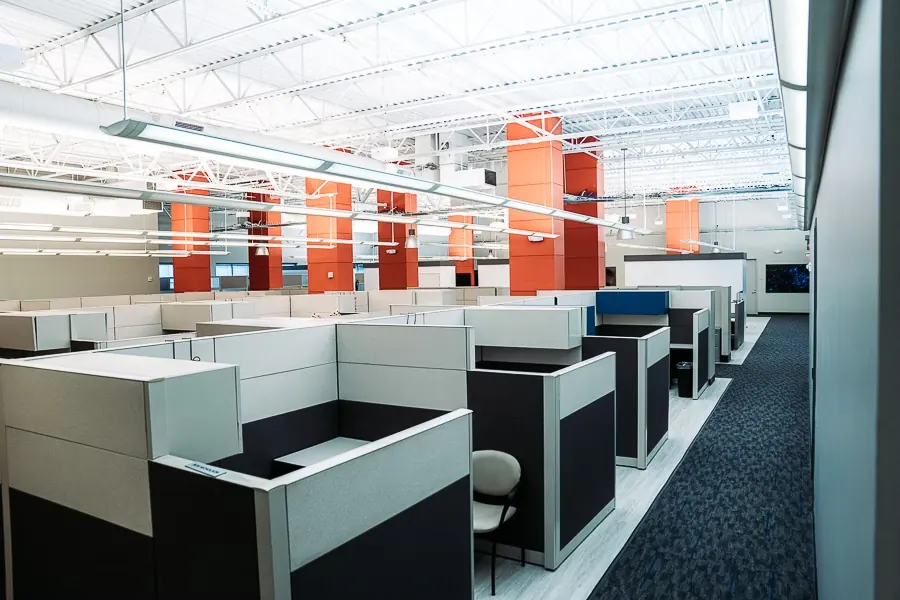
Modern flexible office spaces, like those offered by World Park, often provide access to enterprise-grade technology infrastructure. This includes high-speed internet, advanced telecommunication systems, and state-of-the-art meeting rooms. Startups can utilize these resources without the need for heavy investments in technology, leveling the playing field with larger competitors.
Networking Opportunities
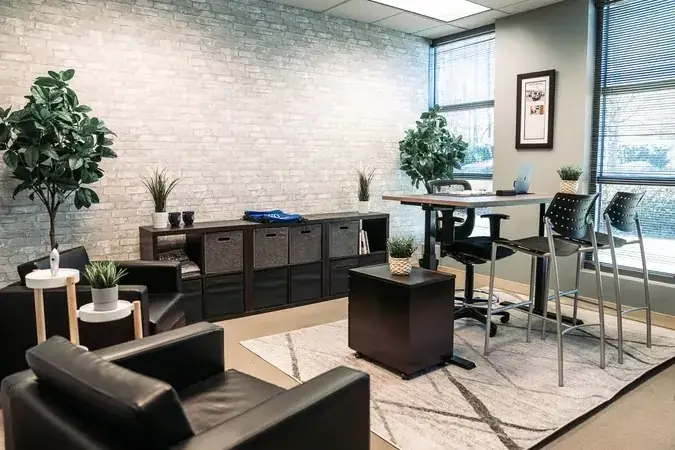
Flexible office spaces inherently foster a collaborative environment. Startups are surrounded by other innovative businesses and entrepreneurs. This proximity creates natural networking opportunities, which can lead to partnerships, mentorship, and even investment opportunities. For many founders, the connections made in these settings can be invaluable.
Enhanced Work-Life Balance
Flexible offices often allow for a more balanced work-life integration. Many spaces offer amenities such as fitness areas, cafes, and relaxation zones. This holistic approach to workspace design helps reduce burnout and fosters a healthier workplace culture, which is essential for the long-term success of any startup.
Creating a Startup-Friendly Ecosystem
Flexibility in office space goes hand in hand with creating a startup-friendly ecosystem. World Park exemplifies this by offering not just office space, but an entire community designed to support startups.
Business Networking and Events
Startup founders are constantly seeking opportunities to connect with others in their field. Flexible office spaces often host business networking events and startup workshops. These events provide invaluable insights and resources, helping founders navigate the complexities of entrepreneurship.
Media Production Support
In today’s digital age, content creation is vital for brand visibility. Flexible office spaces that include professional podcast and video production studios enable startups to produce high-quality content without the need for significant investments in equipment or studio space. This integrated support plays a critical role in helping startups build their brand presence.
The Future of Workspaces
Looking ahead, the trend toward flexible office spaces is expected to continue. As more startups recognize the benefits of these environments, it is likely that the demand for flexible workspaces will grow. These spaces will continue to evolve, incorporating more technology and community-driven features that cater to the needs of entrepreneurs.
Technology Integration
As technology advances, flexible office spaces will integrate even more tools that enhance productivity. Features like smart office systems, AI-driven resource management, and virtual reality meeting rooms may become standard, making these environments even more appealing to startup founders.
Emphasis on Collaboration
Future flexible offices will likely place a greater emphasis on collaborative spaces. These areas will be designed to encourage teamwork and innovation, fostering an environment where ideas can flourish. Startups thrive on collaboration, and flexible office designs will reflect this need.
Conclusion
In 2026, the preference for flexible offices among startup founders is a testament to the changing nature of work. The need for adaptability, cost-effectiveness, and community support has made flexible office spaces a preferred option for many entrepreneurs. As we look to the future, it is clear that these spaces will continue to play a pivotal role in shaping the startup landscape, offering the resources and environment necessary for innovation and growth.
FAQ
1. What are flexible office spaces?
Flexible office spaces are work environments that offer adaptable leasing options, allowing businesses to rent space as needed without long-term commitments.
2. Why are flexible offices beneficial for startups?
They provide cost-effective solutions, access to resources, networking opportunities, and enhanced work-life balance, making them ideal for startups.
3. How do flexible offices support remote work?
Flexible offices offer professional spaces for remote workers to collaborate and meet without being tied to a traditional office lease.
4. What amenities do flexible office spaces often include?
They typically include high-speed internet, meeting rooms, communal areas, and sometimes additional facilities like cafes and fitness centers.
5. Can flexible offices help with networking?
Yes, flexible offices often host events that facilitate networking among entrepreneurs and professionals, fostering collaboration and partnerships.
6. How can startups benefit from media production support?
Media production support allows startups to create high-quality content for marketing purposes without significant upfront investments in equipment.
7. What trends are shaping the future of flexible office spaces?
Technology integration and a greater emphasis on collaboration are key trends expected to shape the future of flexible office environments.
8. Are flexible offices suitable for all types of businesses?
While flexible offices are particularly beneficial for startups, they can also accommodate freelancers, remote workers, and small to medium-sized enterprises.