
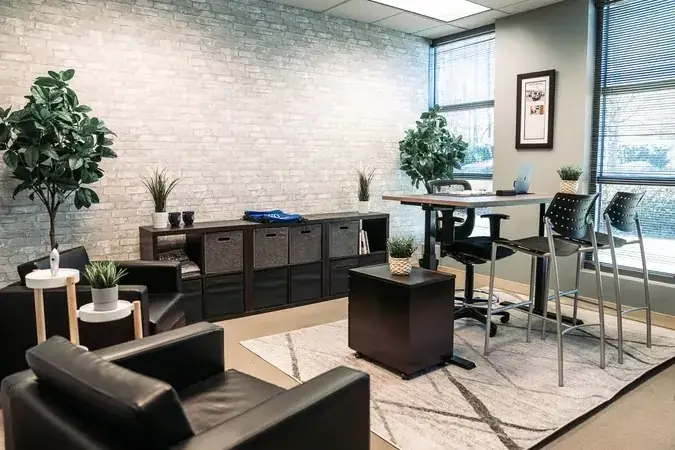
The New Startup Office Model: Small Teams, Flexible Spaces
In the ever-evolving world of business, the traditional office model is undergoing a significant transformation. Startups, in particular, are leading the charge with innovative approaches to workspace design and utilization. The new startup office model emphasizes small teams and flexible spaces, catering to the unique needs of today’s entrepreneurs and their dynamic work environments. In this comprehensive guide, we will delve into the key features, benefits, and practical applications of this modern office model.
Understanding the New Startup Office Model
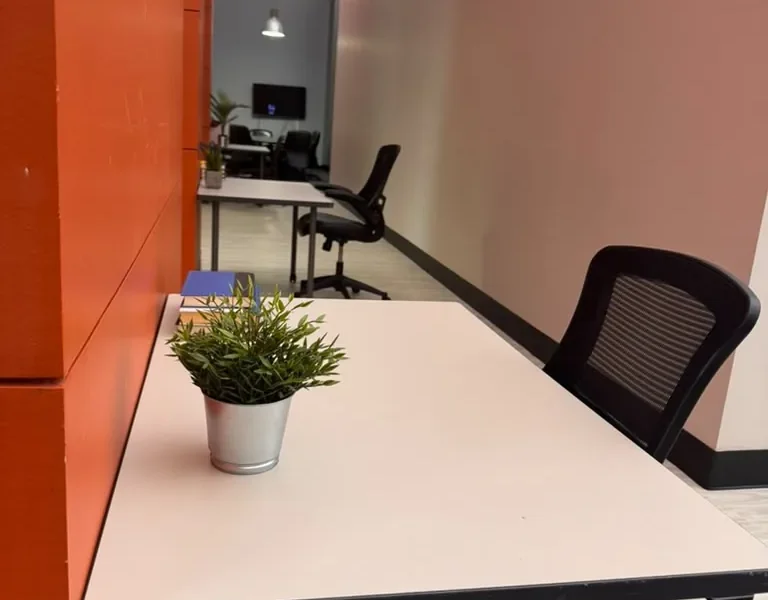
The new startup office model is characterized by its adaptability and focus on collaboration. Unlike traditional office environments that often prioritize large, fixed spaces, modern startups are gravitating towards smaller teams working in multifunctional areas. This shift is driven by a variety of factors, including technological advancements, the rise of remote work, and changing workforce demographics.
Small Teams: The Backbone of Innovation
Small teams are often more agile and can respond quickly to challenges and opportunities. This agility is crucial for startups, which operate in fast-paced markets where speed and innovation are key to survival. By fostering small teams, startups can encourage collaboration and creativity, leading to more innovative solutions.
Flexible Spaces: Adapting to Needs
The flexibility of workspace is another hallmark of the new startup office model. Work environments are designed to be multifunctional, allowing teams to rearrange spaces as needed. This could mean transforming a conference room into a brainstorming area or utilizing a lounge for informal meetings. The idea is to create a space that can evolve based on the team’s current projects and needs.
The Benefits of the New Office Model
Adopting the new startup office model offers numerous advantages, both for teams and the overall business. Here are some key benefits:
1. Enhanced Collaboration
Flexible spaces encourage spontaneous interactions among team members, fostering an environment where ideas can flow freely. This collaboration is vital for startups as it often leads to innovative solutions and faster problem-solving.
2. Cost-Effectiveness
Startups typically operate on tight budgets. By utilizing flexible spaces, they can optimize their real estate costs. Instead of committing to a long-term lease for a large office, startups can choose coworking spaces or shared offices that allow them to scale their workspace according to their growth.
3. Increased Employee Satisfaction
Modern office environments that prioritize flexibility and collaboration often lead to higher job satisfaction. Employees appreciate the ability to choose their working environment, whether they prefer a quiet area for focused work or a lively space for brainstorming sessions.
4. Access to Resources
The new startup office model often includes access to enterprise-grade technology and resources that would be cost-prohibitive for many startups to acquire independently. This includes high-speed internet, state-of-the-art meeting rooms, and professional media production facilities.
Implementing the New Office Model
Transitioning to the new startup office model requires careful planning and execution. Here are some steps to consider when implementing this model:
1. Assess Your Team’s Needs
Before making any changes, it’s essential to assess the specific needs of your team. Consider factors such as team size, workflow, and the types of projects you typically undertake. Understanding these requirements will help you design a workspace that supports your team effectively.
2. Choose the Right Space
Finding the right workspace is crucial. Look for environments that offer flexibility, such as coworking spaces or private office rentals. These spaces should allow you to scale up or down based on your team’s growth and project demands.
3. Foster a Collaborative Culture
Creating a collaborative culture goes beyond physical space. Encourage open communication, regular brainstorming sessions, and team-building activities. This cultural shift will enhance the benefits of your new office model.
4. Invest in Technology
Technology plays a vital role in supporting small teams and flexible spaces. Ensure that your workspace is equipped with the necessary tools for collaboration, such as video conferencing equipment, project management software, and high-speed internet.
Case Studies: Successful Implementation of the New Startup Office Model
To illustrate the effectiveness of the new startup office model, let’s examine a few case studies of startups that have successfully implemented this approach:
Case Study 1: Tech Innovators
Tech Innovators, a software development startup, transitioned to a flexible coworking space that allowed them to scale their workspace as they grew. With a focus on small, cross-functional teams, they saw a significant increase in project completion speed and team satisfaction.
Case Study 2: Creative Agency
A creative agency adopted a flexible office layout that featured various collaborative spaces. This design led to more creative brainstorming sessions, resulting in innovative campaigns and higher client satisfaction.
Future Trends in Startup Office Models
The future of the startup office model will likely continue to evolve, influenced by technology and changing workforce expectations. Here are some trends to watch:
1. Remote Work Integration
As remote work becomes increasingly common, startups will need to find ways to integrate remote employees into their collaborative environments. This might include hybrid office models that combine in-person and remote collaboration tools.
2. Sustainability Focus
More startups are prioritizing sustainability in their office design. This includes using eco-friendly materials, promoting a healthy work-life balance, and creating spaces that encourage well-being.
Conclusion
The new startup office model, characterized by small teams and flexible spaces, is reshaping how businesses operate in today’s fast-paced environment. By fostering collaboration, enhancing employee satisfaction, and optimizing costs, this model offers a practical solution for startups looking to thrive. As the workplace continues to evolve, embracing flexibility and innovation will be key to success in the competitive startup landscape.
FAQ
1. What is the new startup office model?
The new startup office model emphasizes small teams working in flexible spaces to foster collaboration and adaptability.
2. Why are small teams beneficial for startups?
Small teams are more agile, allowing startups to respond quickly to market changes and innovate more effectively.
3. How can flexible spaces improve employee satisfaction?
Flexible spaces allow employees to choose their work environment, leading to higher job satisfaction and productivity.
4. What role does technology play in this office model?
Technology supports collaboration and productivity, providing tools that enable effective communication and project management.
5. How can startups implement this model effectively?
Startups can assess their needs, choose the right space, foster a collaborative culture, and invest in necessary technology.
6. Are there any case studies demonstrating this model’s success?
Yes, companies like Tech Innovators and creative agencies have successfully implemented flexible office models, leading to increased productivity and satisfaction.
7. What future trends should startups watch for?
Trends include remote work integration and a focus on sustainability in office design.
8. Can this model work for larger companies as well?
While initially designed for startups, larger companies can also benefit from adopting small team and flexible space principles to enhance innovation.