
The Rise of Startup Campuses Across the United States
The entrepreneurial spirit in the United States is thriving, and one of the most significant manifestations of this trend is the rise of startup campuses. These hubs of innovation have emerged as essential environments for fostering creativity, collaboration, and growth among startups. In this article, we will explore the factors driving the rise of startup campuses, their impact on local economies, and the unique features that make them appealing to entrepreneurs and businesses alike.
Understanding Startup Campuses
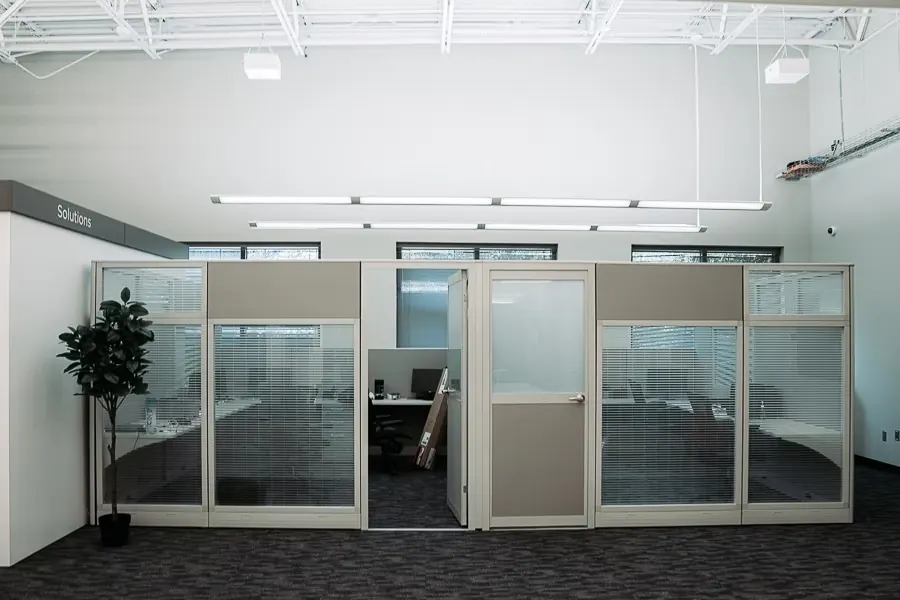
Startup campuses are dedicated spaces designed to support new businesses, freelancers, and entrepreneurs. They typically include a combination of coworking spaces, private offices, meeting rooms, and professional amenities. These campuses are often part of a larger ecosystem that fosters networking, mentorship, and collaboration among startups, providing an environment conducive to innovation.
The Components of a Startup Campus
A typical startup campus may include:
- Modern Private Offices: Flexible office spaces that cater to businesses of all sizes.
- Coworking Environments: Open spaces where individuals can work independently while still benefiting from a collaborative atmosphere.
- Event Spaces: Areas designed for workshops, networking events, and startup showcases.
- Professional Services: Access to legal, financial, and marketing expertise to support startup growth.
Factors Driving the Growth of Startup Campuses
Several factors contribute to the proliferation of startup campuses across the U.S., making them attractive for entrepreneurs and investors.
1. Increased Demand for Flexible Workspaces
As remote work becomes more prevalent, the demand for flexible workspaces has surged. Startup campuses offer adaptable solutions that cater to various business needs, allowing startups to scale up or down as required.
2. Networking Opportunities
Networking is crucial for startups, and campuses provide a built-in community of like-minded individuals. Entrepreneurs can connect with potential partners, investors, and mentors, which can significantly impact their success.
3. Access to Resources
Startup campuses often provide access to essential resources, such as high-speed internet, meeting rooms, and professional tools, which can be costly for startups to secure independently.
4. Supportive Ecosystems
Many startup campuses are integrated into larger ecosystems that include accelerators, incubators, and venture capital firms. This synergy creates a supportive environment that encourages innovation and growth.
The Economic Impact of Startup Campuses
Startup campuses have a profound impact on local economies. By providing a space for startups to thrive, they contribute to job creation, increased economic activity, and enhanced community engagement.
1. Job Creation
As startups grow, they create jobs, both directly and indirectly. This job creation is vital for local economies, as it stimulates demand for goods and services.
2. Increased Economic Activity
Startup campuses contribute to economic activity by attracting talent, investment, and resources to the area. This influx can lead to increased spending in local businesses, benefiting the surrounding community.
3. Community Engagement
Many startup campuses prioritize community involvement, hosting events and workshops that engage local residents and businesses. This helps to foster a sense of connection and collaboration within the community.
Key Features of Successful Startup Campuses
Not all startup campuses are created equal. Successful campuses often share several key features that enhance their appeal and effectiveness.
1. Modern Amenities
Startup campuses that offer modern amenities, such as high-speed internet, comfortable workspaces, and advanced technology infrastructure, attract more businesses.
2. Diverse Membership Plans
Flexible membership plans allow startups to choose the level of commitment that suits their needs, whether they require a hot desk, dedicated office, or access to event spaces.
3. Community Building
Successful startup campuses prioritize community building, organizing regular networking events, workshops, and seminars that encourage collaboration and knowledge sharing.
4. Access to Mentorship and Support
Many campuses provide access to mentorship programs and business support services, helping entrepreneurs navigate the challenges of starting and growing their businesses.
Notable Startup Campuses Across the United States
Several startup campuses have gained recognition for their innovative approaches and success stories. Here are a few notable examples:
1. WeWork Labs
WeWork Labs offers a global network of coworking spaces designed specifically for startups. Their locations provide access to resources, mentorship, and community support.
2. Techstars
Techstars operates various accelerator programs across the U.S., providing startups with mentorship, funding, and access to a vast network of investors and industry experts.
3. The Farm SoHo
Located in New York City, The Farm SoHo offers a collaborative workspace environment that focuses on community building and networking opportunities.
Challenges Faced by Startup Campuses
While startup campuses offer numerous benefits, they also face challenges that can impact their effectiveness.
1. Competition
The growing number of startup campuses has led to increased competition, making it essential for campuses to differentiate themselves and offer unique value propositions.
2. Sustainability
Maintaining a sustainable business model can be challenging, especially for campuses reliant on membership fees. They must continually innovate and adapt to attract and retain members.
3. Meeting Diverse Needs
Startups vary significantly in terms of their requirements and goals. Startup campuses must find ways to cater to this diversity while fostering a cohesive community.
Conclusion
The rise of startup campuses across the United States represents a significant shift in the way entrepreneurs work and collaborate. These campuses provide essential resources, networking opportunities, and a supportive ecosystem that enables startups to thrive. As the demand for flexible workspaces continues to grow, startup campuses will play a crucial role in shaping the future of entrepreneurship in the U.S.
Frequently Asked Questions
1. What is a startup campus?
A startup campus is a dedicated space that supports new businesses and entrepreneurs by providing flexible workspaces, networking opportunities, and essential resources.
2. How do startup campuses benefit local economies?
Startup campuses stimulate job creation, increase economic activity, and foster community engagement, all of which contribute to local economic growth.
3. What amenities are typically found in a startup campus?
Startup campuses often include modern private offices, coworking spaces, meeting rooms, event spaces, and access to professional services.
4. How do I choose the right startup campus for my business?
Consider factors such as location, amenities, membership plans, and the community atmosphere when selecting a startup campus.
5. Are startup campuses suitable for remote workers?
Yes, many startup campuses offer flexible coworking spaces that are ideal for remote workers seeking a collaborative environment.
6. What types of businesses can benefit from startup campuses?
Startup campuses are designed for businesses of all sizes, particularly startups, freelancers, and remote workers.
7. How do startup campuses support networking?
Startup campuses frequently organize events, workshops, and networking opportunities that facilitate connections among entrepreneurs and investors.
8. Can I find mentorship at a startup campus?
Many startup campuses offer mentorship programs and access to industry experts who can provide valuable guidance to entrepreneurs.
9. What challenges do startup campuses face?
Startup campuses face challenges such as competition, sustainability, and meeting the diverse needs of their members.
10. How can I get involved with a startup campus?
To get involved, research local startup campuses, attend events, and consider membership options that align with your business needs.
More on this topic