

Why Startup Founders Value Physical Communities
In the ever-evolving landscape of entrepreneurship, the role of physical communities has emerged as a vital component for startup success. While digital platforms and remote work have gained immense popularity, many startup founders are rediscovering the importance of physical spaces where they can connect, collaborate, and cultivate their ideas. This article explores the myriad reasons why startup founders place a high value on physical communities, highlighting the unique benefits they offer in fostering innovation, networking, and growth.
The Importance of Community in Startup Ecosystems
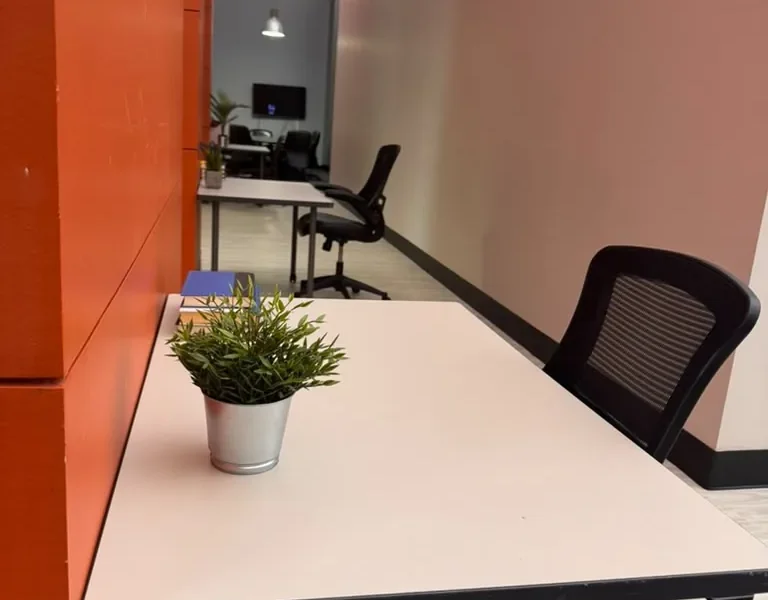
When we think about successful startups, the stories often involve innovative ideas and groundbreaking products. However, behind every successful startup is a supportive community that plays a crucial role in its journey. The startup ecosystem is not just about the individual entrepreneur; it’s about the collective strength of the community. Here are a few reasons why community is essential for startups:
1. Networking Opportunities
Physical communities provide startup founders with invaluable networking opportunities. Meeting like-minded professionals face-to-face fosters stronger relationships compared to digital interactions. Whether at a coworking space, startup event, or a local meetup, these interactions can lead to potential partnerships, mentorship, and even funding opportunities.
2. Access to Resources
Startup founders often face numerous challenges, from securing funding to finding the right talent. Physical communities typically offer access to resources that can help mitigate these challenges. Co-working spaces, for instance, may provide shared resources such as meeting rooms, office equipment, and even legal or financial advice. This access can significantly reduce overhead costs and streamline operations.
3. Knowledge Sharing
In a physical community, founders can tap into the collective knowledge and experience of their peers. Sharing insights, lessons learned, and best practices can provide invaluable guidance. Founders can learn from each other’s successes and failures, helping them avoid common pitfalls and make more informed decisions.
The Benefits of Co-Working Spaces
Co-working spaces have become a popular choice for many startup founders. These environments are designed to foster collaboration and creativity while providing the necessary infrastructure to support burgeoning businesses. Here are some key benefits of co-working spaces:
1. Flexibility
One of the most significant advantages of co-working spaces is their flexibility. Startup founders can choose from various membership plans that cater to their specific needs, whether they require a dedicated office or just a hot desk. This adaptability allows startups to scale their workspace as they grow.
2. Professional Environment
Working from home can be challenging for many entrepreneurs due to distractions and lack of structure. Co-working spaces offer a professional environment that can enhance productivity. The atmosphere is designed to motivate and inspire, helping founders stay focused on their goals.
3. Community Engagement
Co-working spaces often host events, workshops, and networking sessions that encourage community engagement. These activities not only provide learning opportunities but also foster camaraderie among members. Being part of a community can lead to lasting friendships and collaborations that extend beyond the workspace.
Physical Spaces as Innovation Hubs
Physical communities serve as innovation hubs, where creativity and collaboration flourish. The energy generated in these environments can lead to groundbreaking ideas and solutions. Here are a few ways physical spaces contribute to innovation:
1. Collaboration
Collaborative environments stimulate brainstorming and idea generation. When founders from different industries come together, they can share diverse perspectives, leading to innovative solutions. The synergy created in these spaces can be a catalyst for creativity.
2. Access to Talent
Startups often struggle to find the right talent. Physical communities can help connect founders with skilled professionals who are looking for opportunities. Networking events and community gatherings provide a platform for startups to showcase their vision and attract potential team members.
3. Mentorship Opportunities
Many co-working spaces and startup incubators offer mentorship programs that connect founders with experienced entrepreneurs. These mentors can provide guidance, share their experiences, and help navigate the challenges of building a startup.
Building a Supportive Culture
A strong community contributes to a supportive culture that can be invaluable for startup founders. Here’s how:
1. Emotional Support
Building a startup can be an emotional rollercoaster. Having a community of fellow entrepreneurs provides emotional support during challenging times. Sharing experiences, struggles, and victories with others who understand the journey can be incredibly reassuring.
2. Accountability
Being part of a community can foster accountability. When founders share their goals with others, they are more likely to stay committed and motivated. The support and encouragement from peers can help them push through obstacles and stay on track.
3. Celebrating Successes
In a community, successes are celebrated collectively. Whether it’s securing funding, launching a product, or reaching a milestone, sharing these achievements can strengthen bonds and create a sense of belonging. Celebrating together fosters a positive culture that encourages continued innovation.
Challenges of Remote Work
While remote work has its advantages, it also presents challenges that can hinder startup growth:
1. Isolation
Remote work can lead to feelings of isolation and loneliness, which can negatively impact mental health and productivity. Founders may find it challenging to maintain motivation without regular interactions with peers.
2. Limited Collaboration
Collaboration is essential for innovation, and remote work can stifle spontaneous brainstorming sessions and face-to-face discussions. The lack of immediate feedback can slow down the decision-making process.
3. Difficulty in Building Relationships
Building relationships is crucial for networking and mentorship. Remote work can make it more challenging to establish meaningful connections, as interactions are often limited to virtual meetings.
Conclusion
For startup founders, the value of physical communities cannot be overstated. These spaces provide networking opportunities, access to resources, and a culture of collaboration that can significantly enhance the chances of success. While remote work offers flexibility, the benefits of being part of a physical community are immense. As the startup ecosystem continues to evolve, fostering connections within these communities will remain a key driver of innovation and growth.
FAQs
1. Why are physical communities important for startups?
Physical communities provide networking opportunities, access to resources, and a supportive culture that fosters collaboration and innovation.
2. How do co-working spaces benefit startup founders?
Co-working spaces offer flexibility, a professional environment, and community engagement, which are essential for startup growth.
3. What role does networking play in startup success?
Networking helps founders establish relationships that can lead to partnerships, mentorship, and funding opportunities.
4. Can physical communities help reduce startup costs?
Yes, physical communities often provide shared resources and infrastructure that can significantly reduce overhead costs for startups.
5. What are some challenges of remote work for startups?
Challenges include feelings of isolation, limited collaboration, and difficulty in building relationships.
6. How can startups find the right talent in a physical community?
Startup founders can connect with skilled professionals through networking events and community gatherings held in co-working spaces.
7. What is the importance of mentorship in startup communities?
Mentorship provides guidance and support from experienced entrepreneurs, helping founders navigate challenges and make informed decisions.
8. How do physical communities foster innovation?
Physical communities encourage collaboration, provide access to diverse perspectives, and create an environment that stimulates creativity.
9. Are co-working spaces suitable for all types of startups?
Yes, co-working spaces can accommodate various types of startups, offering flexible plans to suit different business needs.
10. How can a startup founder get involved in their local community?
Founders can participate in local meetups, attend networking events, and join co-working spaces to engage with their local startup ecosystem.
- The Future of Startup Collaboration Spaces: Innovating Together for Success
- Why Startups Avoid Traditional Office Leases: Understanding the Shift to Flexible Workspaces
- Startup Offices in 2030: What the Future Looks Like
- The Growth of Tech Startups in Georgia: A Comprehensive Overview
- Private and team offices in Alpharetta