Why Startups Avoid Traditional Office Leases: Understanding the Shift to Flexible Workspaces
In the ever-evolving landscape of business, startups are continuously redefining their strategies to adapt to changing market conditions and workforce expectations. One significant trend observed in recent years is the widespread avoidance of traditional office leases by startups. This article delves into the reasons behind this shift, exploring the benefits of flexible workspace solutions, such as those offered by World Park, and how they cater to the unique needs of modern startups.
The Constraints of Traditional Office Leases
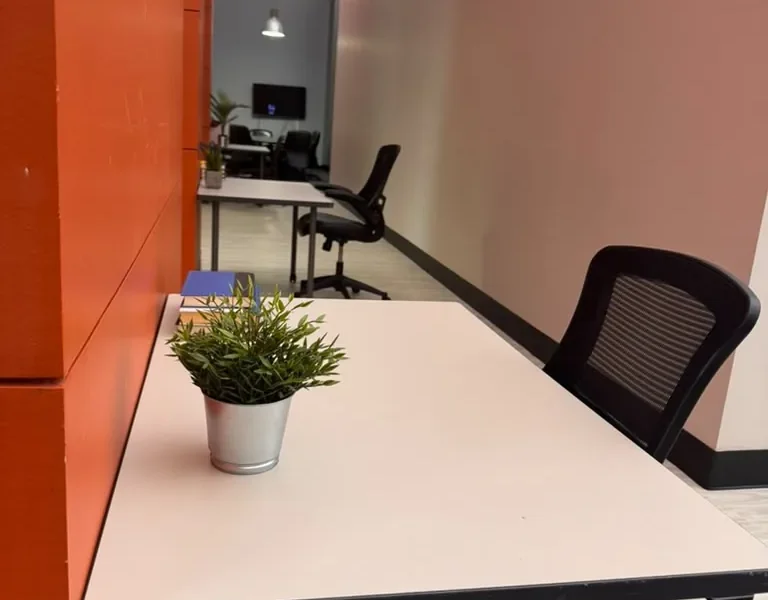
Traditional office leases often come with long-term commitments, typically ranging from three to five years. This commitment can pose several challenges for startups, which require agility and flexibility to navigate their formative stages.
1. Financial Burdens
One of the most significant drawbacks of traditional office leases is the financial burden they impose on startups. These leases often require hefty deposits, monthly rent that can strain limited budgets, and additional costs for utilities, maintenance, and insurance. Startups, which may not yet have a steady revenue stream, find these costs daunting and counterproductive to their growth.
2. Lack of Flexibility
Startups thrive on flexibility. Traditional office leases lock businesses into fixed spaces for extended periods, making it challenging to scale operations up or down based on market demands. If a startup experiences rapid growth, they may quickly outgrow their space, leading to additional costs and logistical challenges in relocating.
3. Limited Customization
Another constraint of traditional offices is the lack of customization. Many startups have unique branding and operational needs that require tailored office environments. Traditional leases often do not allow for the necessary alterations, forcing startups to work within the confines of a generic office layout.
The Rise of Flexible Workspaces
In response to the limitations imposed by traditional office leases, flexible workspaces have emerged as a popular alternative for startups. These environments offer a range of benefits that align with the dynamic nature of startup culture.
1. Cost-Effectiveness
Flexible workspaces, such as coworking spaces like World Park, often operate on a membership basis, allowing startups to pay only for the space and amenities they need. This model significantly reduces overhead costs and provides startups with the financial freedom to allocate resources towards growth initiatives.
2. Scalability
The ability to scale operations is vital for startups. Flexible workspaces provide options for expanding or contracting space as needed, enabling startups to adapt quickly to changes in their workforce or business model. This adaptability is crucial in a fast-paced business environment.
3. Community and Networking Opportunities
Flexible workspaces foster a collaborative community where startups can connect, network, and share ideas. This environment is invaluable for startups looking to build relationships, find potential investors, and collaborate with other innovative minds. Events and workshops hosted in these spaces can further enhance networking opportunities.
4. Access to Professional Amenities
Startups often require access to professional-grade technology and facilities that may be cost-prohibitive in a traditional office setting. Flexible workspaces typically offer high-speed internet, meeting rooms, and state-of-the-art equipment, such as those found in World Park’s podcast and video production studios. This access allows startups to present a professional image without incurring significant costs.
World Park: A Startup-Friendly Workspace Ecosystem
World Park exemplifies a modern coworking environment designed with startups in mind. With a focus on innovation and collaboration, World Park offers a variety of flexible membership plans that cater to the diverse needs of startups.
1. Modern Private Offices
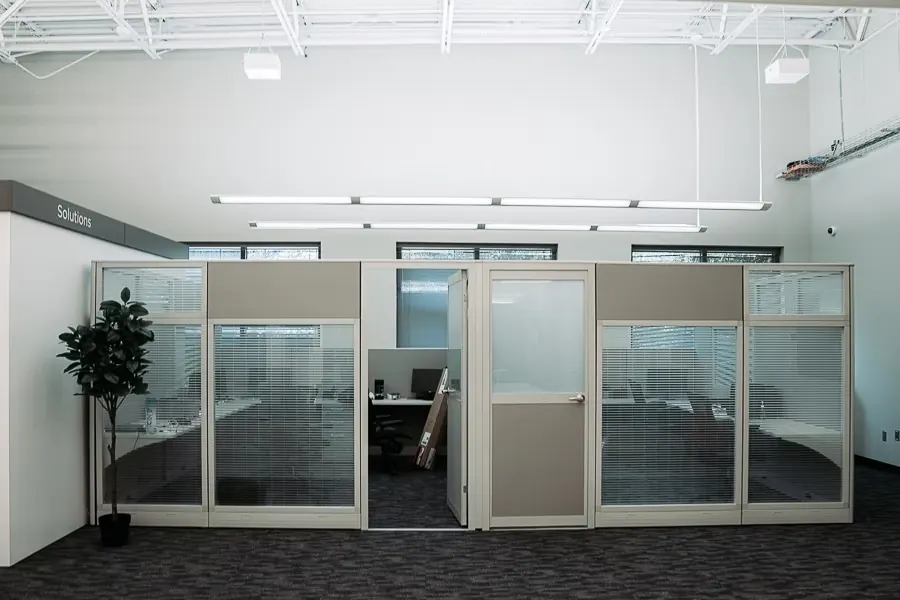
For startups that require privacy while maintaining a collaborative spirit, World Park provides modern private offices. These spaces allow teams to work without distractions while still having access to communal areas for brainstorming and networking.
2. Professional Production Studios
Startups focused on content creation can take advantage of World Park’s professional podcast and video production studios. These facilities provide the necessary tools and technology to create high-quality media content, essential for marketing and brand building.
3. Business Networking and Events
World Park hosts numerous business networking events and startup-focused gatherings, providing members with the opportunity to connect with industry leaders and gain insights from seasoned entrepreneurs. These events can be pivotal in forming partnerships and securing funding.
Conclusion
The trend of startups avoiding traditional office leases is a reflection of the changing dynamics in the business world. As startups seek flexibility, cost-effectiveness, and networking opportunities, flexible workspaces have become an attractive solution. Environments like World Park not only offer modern office spaces but also foster a community focused on innovation and collaboration. Startups that embrace these alternatives are better positioned to thrive in today’s competitive landscape.
FAQs
1. What are the main reasons startups avoid traditional office leases?
Startups typically avoid traditional office leases due to financial burdens, lack of flexibility, and limited customization options.
2. How do flexible workspaces benefit startups?
Flexible workspaces offer cost-effectiveness, scalability, access to professional amenities, and community networking opportunities.
3. What types of spaces do flexible workspaces provide?
Flexible workspaces provide coworking spaces, private offices, meeting rooms, and production studios.
4. How can startups save money with flexible workspaces?
Startups save money by paying only for the space and amenities they need, avoiding long-term lease commitments.
5. Are flexible workspaces suitable for all types of startups?
Yes, flexible workspaces can accommodate a variety of startups, from tech companies to creative agencies, offering tailored solutions for different needs.
6. What community benefits do flexible workspaces offer?
Flexible workspaces foster collaboration, networking, and mentorship opportunities, essential for startups seeking growth and support.
7. Can startups host events in flexible workspaces?
Many flexible workspaces, including World Park, host events and workshops that startups can participate in or utilize for their own networking efforts.
8. How does World Park specifically support startups?
World Park offers modern private offices, professional production studios, flexible membership plans, and a collaborative community focused on innovation.