
Why Modern Startups Are Building Communities Instead of Offices
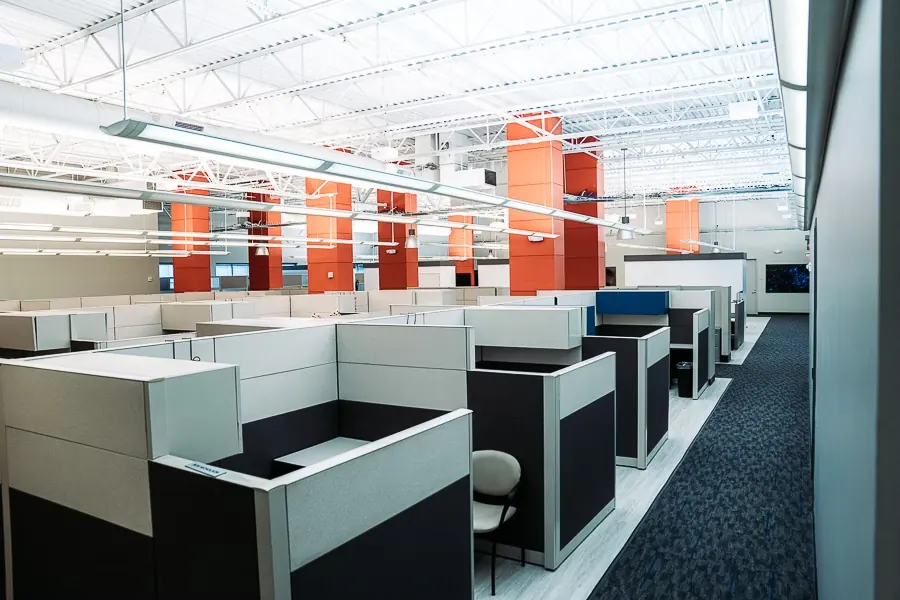
In recent years, the landscape of work has undergone a seismic shift. Startups, in particular, are rethinking traditional office spaces and opting for community-driven environments that foster collaboration, innovation, and networking. This article explores the reasons behind this trend and how modern startups are building communities instead of conventional offices.
The Evolution of Workspaces
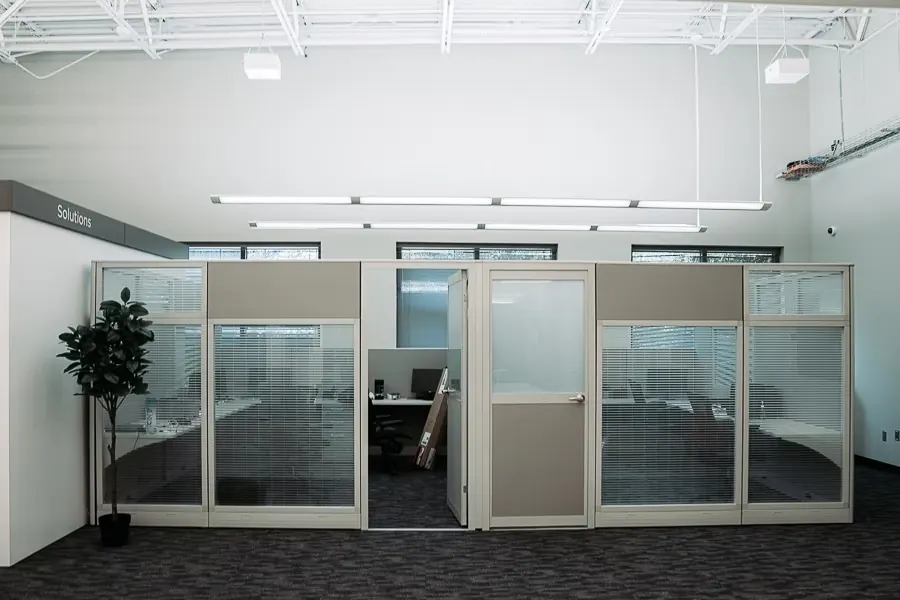
The concept of the workplace has evolved drastically over the decades. From the rigid cubicles of the 1980s to the open-office layouts of the 2000s, and now to community-centric environments, the focus has shifted toward creating spaces that support dynamic interaction and creativity.
Changing Workforce Demands
Today’s workforce is more diverse and mobile than ever before. Millennials and Gen Z employees prioritize flexibility, collaboration, and a sense of belonging in their work environments. According to a study by Deloitte, 83% of millennials are looking for opportunities to work in a collaborative environment. As startups aim to attract top talent, they are creating community-focused workspaces that cater to these demands.
The Rise of Remote Work
The COVID-19 pandemic accelerated the remote work trend, prompting many startups to rethink their office needs. With employees working from home, companies realized that productivity doesn’t solely rely on traditional office settings. This shift has led to the emergence of hybrid work models that emphasize community connectivity rather than a fixed physical location.
The Benefits of Community-Centric Workspaces
Building a community instead of a traditional office brings numerous advantages for startups. Here are some key benefits:
1. Enhanced Collaboration
Community-driven workspaces facilitate collaboration among team members and with other startups. By sharing resources and ideas, businesses can innovate more effectively. The presence of diverse professionals encourages knowledge exchange and fosters creativity.
2. Networking Opportunities
Startups thrive on connections, and community spaces offer ample networking opportunities. Events, workshops, and social gatherings enable entrepreneurs to meet potential partners, investors, and clients, ultimately fueling their growth.
3. Cost-Effectiveness
Maintaining a traditional office can be costly, especially for startups with limited budgets. Community spaces often provide flexible membership plans that allow startups to pay for only what they need. This reduces overhead costs while providing access to high-quality facilities.
4. Access to Resources
Modern community workspaces often come equipped with enterprise-grade technology infrastructure, professional podcast and video production studios, and other resources that support startups in content creation and media production. This access can significantly enhance a startup’s ability to produce high-quality materials without the need for substantial investment.
5. Fostering Innovation
Innovation is at the heart of every successful startup. By creating a collaborative community, startups can harness the collective intelligence of their peers. Diverse perspectives lead to more innovative solutions and ideas that might not emerge in isolation.
The Role of Coworking Spaces
Coworking spaces have become synonymous with modern startup culture. These environments offer a blend of private offices and shared workspaces, allowing startups the flexibility they need while promoting a sense of community.
1. Flexibility in Workspace Plans
Coworking spaces provide various membership options, from hot desks to dedicated offices, allowing startups to scale their workspace according to their growth. This flexibility is crucial for startups that may experience rapid changes in team size and project demands.
2. A Supportive Ecosystem
Many coworking spaces foster a startup-friendly ecosystem by hosting events focused on business networking, mentoring, and skill development. This support system can be invaluable for early-stage companies looking to establish themselves in competitive markets.
Case Studies: Successful Community-Building Startups
To illustrate the effectiveness of community-centric workspaces, let’s take a look at a few successful startups that have embraced this model:
1. WeWork
WeWork revolutionized the way people think about office space. By creating vibrant coworking environments that encourage collaboration and community, WeWork has attracted thousands of startups and entrepreneurs. Their approach emphasizes networking and resource sharing, resulting in numerous successful partnerships.
2. Spaces
Spaces is another coworking provider that has focused on creating a creative and collaborative environment. Their emphasis on design and community-building has made them a popular choice for startups, particularly in creative industries.
Challenges of Community-Centric Spaces
While there are many advantages to community-driven workspaces, there are also challenges to consider:
1. Balancing Privacy and Collaboration
Startups may find it difficult to maintain privacy in a shared environment. Ensuring that sensitive discussions and information remain confidential can be a challenge in coworking spaces.
2. Potential for Distractions
Shared environments can lead to distractions, as the hustle and bustle of a busy workspace may affect productivity. Startups need to find ways to minimize these distractions while still enjoying the benefits of community.
Conclusion
The shift from traditional offices to community-centric spaces represents a fundamental change in how startups operate. By focusing on collaboration, networking, and innovation, modern startups are creating environments that not only support their growth but also foster a sense of belonging and community. As the landscape continues to evolve, it is clear that the future of work lies in building connections rather than just occupying physical spaces.
FAQ
1. What are the main benefits of community-driven workspaces for startups?
The main benefits include enhanced collaboration, networking opportunities, cost-effectiveness, access to resources, and fostering innovation.
2. How do coworking spaces differ from traditional offices?
Coworking spaces offer flexible membership plans, shared resources, and a community-focused environment, while traditional offices typically have fixed leases and private spaces.
3. Can startups maintain privacy in a coworking space?
While it can be challenging, many coworking spaces offer private offices or meeting rooms that help startups maintain privacy when needed.
4. Are community-driven spaces suitable for all types of businesses?
While they are especially beneficial for startups and creative industries, established companies can also find value in the networking and collaborative opportunities provided by community spaces.
5. How can startups take advantage of networking opportunities in coworking spaces?
Startups can attend events, workshops, and social gatherings organized by coworking spaces to meet potential partners, clients, and investors.
6. What challenges might startups face in a community-centric workspace?
Startups may face challenges related to balancing privacy, minimizing distractions, and ensuring that their specific needs are met in a shared environment.
7. How do community-driven workspaces support innovation?
These workspaces bring together diverse professionals, fostering an environment where ideas can be exchanged and innovative solutions can emerge.
8. What types of resources can startups access in a coworking space?
Startups can access enterprise-grade technology, professional studios for podcasting and video production, meeting rooms, and various other amenities that support their operations.
9. How has the COVID-19 pandemic impacted the trend toward community-driven workspaces?
The pandemic accelerated the shift to remote work, prompting many startups to embrace hybrid models that emphasize community connectivity over traditional office settings.
10. Why is flexibility important for startups in choosing their workspace?
Flexibility allows startups to adapt their workspace to their changing needs, whether due to growth, project demands, or shifts in workforce size.
More on this topic