The Rise of Startup Campuses in Tech Cities
In recent years, the landscape of entrepreneurship has undergone a significant transformation, particularly with the emergence of startup campuses in tech-savvy cities around the globe. These hubs of innovation have become breeding grounds for new ideas, fostering collaboration, and providing resources for ambitious entrepreneurs. In this article, we will explore the factors contributing to the rise of startup campuses, their benefits, and the future of these dynamic ecosystems.
Understanding Startup Campuses

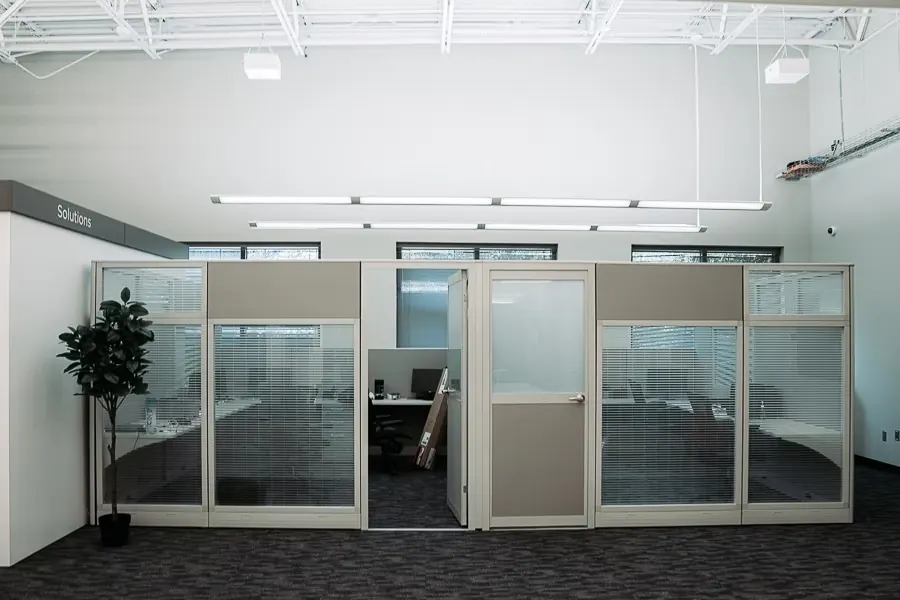
Startup campuses are physical spaces designed to accommodate startups and small businesses, providing them with essential resources, networking opportunities, and a collaborative environment. These campuses often include coworking spaces, private offices, meeting rooms, and specialized facilities such as podcast and video production studios. The goal of startup campuses is to create an environment conducive to innovation and growth.
The Factors Behind the Rise of Startup Campuses
The Shift Toward Remote Work
The COVID-19 pandemic has accelerated the trend toward remote and flexible work arrangements. As companies adapted to these changes, many entrepreneurs sought out environments that fostered collaboration while allowing them to maintain some degree of flexibility. Startup campuses provide a perfect solution, offering modern private offices and coworking options that cater to various business needs.
Access to Resources and Infrastructure
One of the key advantages of startup campuses is the access they provide to enterprise-grade technology infrastructure. Entrepreneurs benefit from high-speed internet, advanced communication tools, and other essential resources that might be costly for startups to obtain on their own. This access enables them to focus on innovation rather than logistical challenges.
Networking Opportunities
Networking is critical for any startup. Startup campuses facilitate connections between entrepreneurs, investors, and industry experts. Regular business networking and startup events hosted within these campuses create a vibrant ecosystem where ideas can flourish and partnerships can form. This sense of community is invaluable for startups looking to scale.
Benefits of Startup Campuses
Collaboration and Innovation
One of the most significant benefits of startup campuses is the culture of collaboration they promote. Entrepreneurs from diverse backgrounds and industries come together, fostering an atmosphere of creativity and innovation. This collaborative spirit often leads to the cross-pollination of ideas, resulting in groundbreaking solutions to pressing challenges.
Cost-Effective Solutions
For many startups, managing overhead costs is a top priority. Startup campuses offer flexible membership and workspace plans tailored to the needs of various organizations. This flexibility allows startups to scale up or down as necessary without being tied to long-term leases or excessive expenses.
Support for Content Creation
In today’s digital age, content creation plays a pivotal role in marketing and brand building. Many startup campuses, including World Park, provide specialized support for media production, including professional podcast and video production studios. This access enables startups to create high-quality content that resonates with their target audience.
Case Studies: Successful Startup Campuses
Silicon Valley’s Impact
Silicon Valley is perhaps the most famous example of a startup campus ecosystem. Home to countless tech giants and innovative startups, the region has set the standard for what a startup campus can achieve. It’s a melting pot of ideas, resources, and talent, contributing to its reputation as the global epicenter of technology and entrepreneurship.
Berlin’s Rise as a European Tech Hub
Berlin has emerged as a significant player in the European startup scene, with multiple startup campuses providing support to growing businesses. The city’s vibrant culture, affordable living, and supportive government policies have attracted entrepreneurs from around the world. Startup campuses in Berlin are known for their emphasis on collaboration and innovation.
The Future of Startup Campuses
As we look ahead, the future of startup campuses appears promising. With the ongoing evolution of work and technology, these ecosystems are likely to expand and adapt. We can expect to see:
Increased Focus on Sustainability
Startup campuses are beginning to emphasize sustainable practices, from energy-efficient buildings to waste reduction initiatives. This focus on sustainability aligns with the growing demand for environmentally conscious business practices.
The Rise of Niche Campuses
As the startup landscape diversifies, we may see the emergence of niche campuses catering to specific industries, such as biotech, fintech, or creative arts. These specialized environments can provide tailored resources and networks that enhance the growth potential of startups within those fields.
Global Expansion
While tech cities like San Francisco and Berlin have garnered much attention, the rise of startup campuses is a global trend. Cities in emerging markets are beginning to establish their own startup ecosystems, providing opportunities for entrepreneurs in regions previously overlooked by investors.
Conclusion
The rise of startup campuses in tech cities represents a fundamental shift in how entrepreneurs approach business development. By providing access to resources, fostering collaboration, and creating supportive communities, these campuses are empowering the next generation of innovators. As the world continues to evolve, startup campuses will undoubtedly play a crucial role in shaping the future of entrepreneurship.
FAQs
What is a startup campus?
A startup campus is a physical space designed to support startups and small businesses, offering resources, networking opportunities, and collaborative environments.
How do startup campuses differ from traditional office spaces?
Startup campuses focus on collaboration, innovation, and flexibility, often providing access to specialized resources that traditional office spaces may lack.
What are the benefits of joining a startup campus?
Benefits include networking opportunities, cost-effective workspace solutions, access to technology infrastructure, and support for content creation.
Can startups of any size join a startup campus?
Yes, startup campuses typically offer flexible membership plans that cater to businesses of various sizes, from freelancers to larger teams.
How do startup campuses support content creation?
Many startup campuses provide access to professional podcast and video production studios, allowing startups to create high-quality content.
Are startup campuses only located in tech cities?
While many are in tech cities, startup campuses are emerging globally, including in regions previously overlooked by investors.
What role does networking play in a startup campus?
Networking is crucial in startup campuses, as they create opportunities for entrepreneurs to connect with investors, industry experts, and other startups.
How can I find a startup campus near me?
You can search online directories, visit local business development centers, or explore coworking platforms to locate startup campuses in your area.
What is the future of startup campuses?
The future of startup campuses includes a focus on sustainability, the rise of niche campuses, and global expansion into emerging markets.
- Why AI Startups Prefer Collaborative Environments
- The New Generation of Startup Campuses: Redefining Innovation and Collaboration
- Why Startups Avoid Traditional Office Leases: Understanding the Shift to Flexible Workspaces
- The Future of Startup Collaboration Spaces: Innovating Together for Success
- Private and team offices in Alpharetta