The Evolution of Workspaces in the AI Economy
The world of work is undergoing a significant transformation driven by advancements in artificial intelligence (AI) and technology. As we move deeper into the AI economy, the traditional concepts of office space, collaboration, and productivity are being redefined. In this article, we will explore how workspaces have evolved to meet the demands of modern businesses, particularly in the context of AI, and how companies like World Park are leading the charge in creating innovative work environments.
Understanding the AI Economy
The AI economy refers to the integration of artificial intelligence into business processes, products, and services. This transformation is not only changing the way companies operate but also influencing how employees work, collaborate, and innovate. As AI continues to evolve, it is essential for businesses to adapt their workspaces to leverage these new technologies effectively.
The Shift from Traditional Offices to Flexible Workspaces
Historically, most businesses operated from traditional office spaces characterized by cubicles, closed-door offices, and rigid hierarchies. However, the rise of technology and changing workforce expectations have led to a significant shift towards flexible workspaces.
1. The Rise of Coworking Spaces
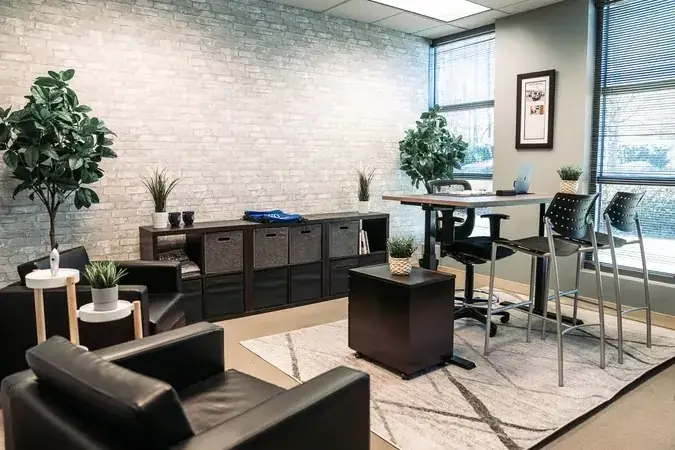
Coworking spaces have gained immense popularity in recent years, offering freelancers, startups, and even large enterprises a collaborative environment. These spaces provide an opportunity for networking, knowledge sharing, and innovation. World Park exemplifies this trend by offering modern private offices and coworking environments designed to foster collaboration and creativity.
2. Remote Work and Digital Nomadism
With the advent of advanced communication tools and cloud-based technologies, remote work has become increasingly feasible. Employees can work from anywhere, leading to the rise of digital nomadism. This trend has prompted companies to rethink their office requirements, leading to a greater demand for flexible membership and workspace plans.
Technology Infrastructure in Modern Workspaces
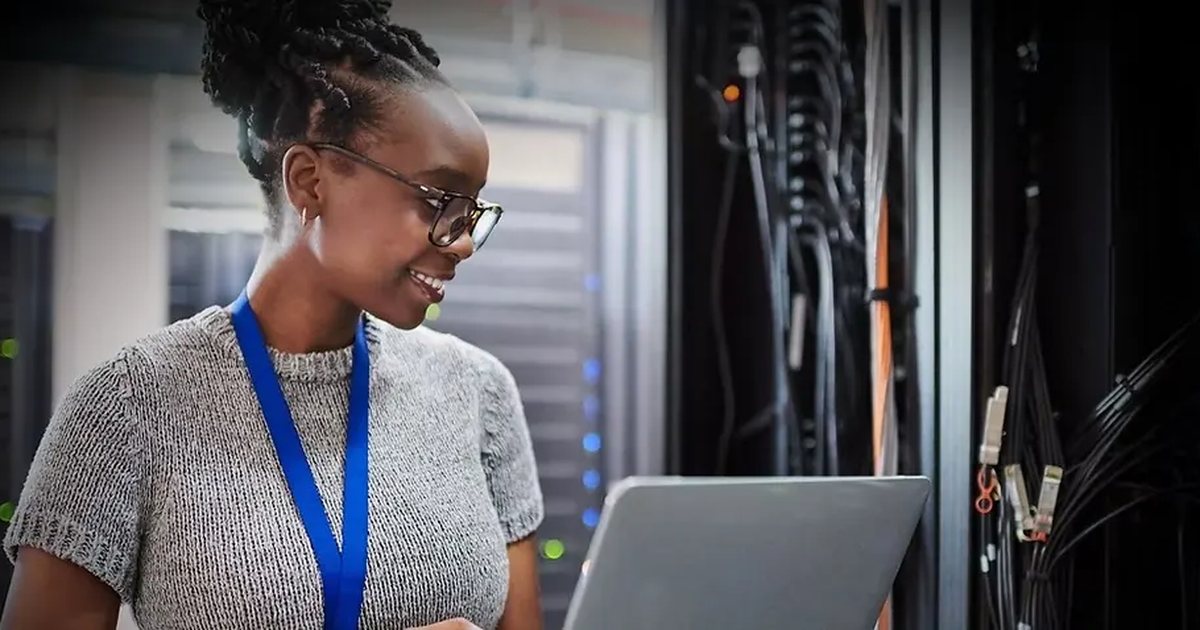
As organizations embrace AI and other advanced technologies, having an enterprise-grade technology infrastructure has become paramount. Modern workspaces are equipped with cutting-edge tools that enhance productivity and collaboration.
1. High-Speed Internet and Connectivity
Fast and reliable internet connectivity is essential for any workspace, especially in the AI economy where data transfer and cloud access are crucial. Workspaces like World Park ensure that their members have access to high-speed internet, enabling seamless collaboration and communication.
2. Smart Technology Integration
Smart technologies, such as AI-powered meeting rooms and advanced project management tools, are becoming standard features in modern workspaces. These technologies help streamline workflows, enhance communication, and optimize resource management.
Collaboration and Innovation in the AI Era
The AI economy thrives on collaboration and innovation. Workspaces must facilitate these aspects to foster creativity and drive business growth.
1. Collaborative Spaces
Modern workspaces are designed with collaboration in mind. Open layouts, breakout rooms, and shared areas encourage employees from different teams to interact and share ideas. World Park emphasizes the importance of creating an innovation-focused collaborative community where members can connect and collaborate on projects.
2. Business Networking and Startup Events
Networking opportunities are vital for startups and entrepreneurs. Workspaces that host business networking events and startup-focused activities can help members build valuable connections and gain insights from industry experts. This adds significant value to the workspace experience.
Support for Content Creation and Media Production
In the AI economy, content creation and media production play a critical role in marketing and brand development. Workspaces that provide dedicated podcast and video production studios are becoming increasingly important.
1. Professional Studios
World Park offers professional podcast and video production studios equipped with the latest technology. This allows businesses to create high-quality content that resonates with their audience, positioning them for success in the competitive landscape.
2. Media Production Support
Beyond just providing the space, many modern workspaces also offer media production support, including access to experienced professionals who can assist with content creation. This support can be invaluable for startups looking to establish a strong online presence.
The Future of Workspaces in the AI Economy
As we look to the future, the evolution of workspaces will continue to be influenced by advancements in AI and technology. Companies must remain agile and adaptable to meet the changing needs of their workforce.
1. Emphasis on Employee Well-Being
Workspaces of the future will prioritize employee well-being, creating environments that support mental health, work-life balance, and overall job satisfaction. This may include biophilic design elements, wellness programs, and flexible work arrangements.
2. Sustainability and Eco-Friendly Practices
As businesses become more aware of their environmental impact, sustainable practices in workspace design and operation will become increasingly important. This may involve using eco-friendly materials, energy-efficient technologies, and promoting sustainable commuting options.
Conclusion
The evolution of workspaces in the AI economy represents a significant shift in how we think about work, collaboration, and productivity. Companies must invest in modern, flexible work environments that foster innovation, support employee well-being, and leverage advanced technology. World Park stands at the forefront of this transformation, providing the ideal workspace ecosystem for startups and established businesses alike.
Frequently Asked Questions (FAQ)
1. What is the AI economy?
The AI economy refers to the integration of artificial intelligence into business processes, products, and services, transforming how companies operate and employees work.
2. How have workspaces changed in recent years?
Workspaces have shifted from traditional office environments to flexible coworking spaces that promote collaboration, innovation, and remote work.
3. What are coworking spaces?
Coworking spaces are shared work environments that provide individuals and businesses with access to office resources, networking opportunities, and collaboration.
4. Why is technology infrastructure important in modern workspaces?
Enterprise-grade technology infrastructure is essential for productivity, collaboration, and leveraging advanced tools in the AI economy.
5. How do modern workspaces support collaboration?
Modern workspaces feature open layouts, breakout rooms, and shared areas that encourage interaction and idea sharing among team members.
6. What role does content creation play in the AI economy?
Content creation is crucial for marketing and brand development, helping businesses engage with their audience effectively.
7. How can startups benefit from coworking spaces?
Startups can benefit from coworking spaces through networking opportunities, access to resources, and a collaborative environment that fosters innovation.
8. What does the future hold for workspaces in the AI economy?
The future of workspaces will focus on employee well-being, sustainability, and continued integration of advanced technologies to enhance productivity.