
IoT and Smart Office Technology: Building an Intelligent Workspace
In today’s fast-paced business environment, the integration of IoT (Internet of Things) and smart office technology is revolutionizing the way we work. Modern companies are increasingly adopting intelligent workspace solutions that enhance productivity, efficiency, and employee satisfaction. This article aims to explore how IoT and smart office technology can transform traditional work environments into dynamic, intelligent spaces. You will discover the benefits, technologies involved, and practical steps to implement these innovations in your workspace. By the end, you will have a comprehensive understanding of how to leverage these technologies to create an optimized work environment that fosters collaboration and innovation.
Understanding IoT in the Workplace
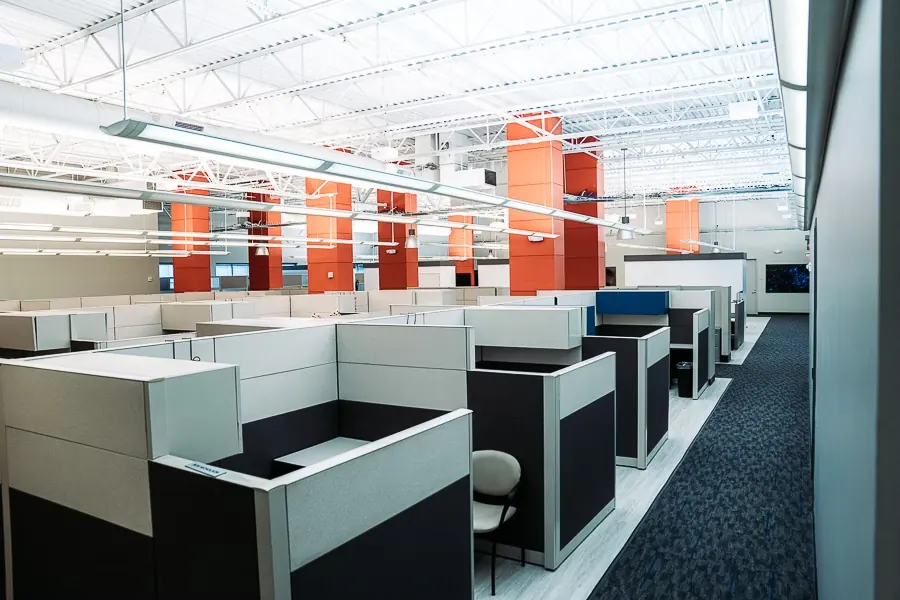
The Internet of Things (IoT) refers to a network of interconnected devices that communicate and exchange data with each other. In the context of workplace environments, IoT encompasses a wide range of technologies designed to enhance the functionality and efficiency of office spaces. From smart lighting and HVAC systems to connected security systems and collaborative tools, IoT creates a seamless integration of technology into the daily operations of a business.
According to a report by Statista, the IoT market is projected to reach $1.6 trillion by 2025, highlighting the growing importance of these technologies in various sectors, including office environments. As more businesses recognize the potential of IoT, the demand for smart office solutions continues to rise.
Benefits of Smart Office Technology
Implementing smart office technology offers numerous advantages that can significantly enhance workplace productivity and employee satisfaction. Here are some of the key benefits:
- Increased Efficiency: Smart systems can automate routine tasks such as lighting, temperature control, and security, allowing employees to focus on their core responsibilities.
- Enhanced Collaboration: IoT tools facilitate better communication and collaboration among team members, regardless of their physical location. Tools like smart whiteboards and video conferencing systems bridge the gap between remote and in-office workers.
- Data-Driven Insights: Smart office technology collects valuable data on employee behavior and workspace usage, enabling businesses to make informed decisions about resource allocation and office design.
- Cost Savings: By automating energy management and optimizing resource use, businesses can reduce operational costs significantly.
- Improved Employee Well-being: Smart office environments promote employee comfort through personalized settings for lighting and temperature, ultimately leading to higher job satisfaction and retention rates.
For example, a study conducted by Gartner found that 75% of organizations had implemented IoT solutions in their operations, resulting in improved operational efficiency and employee engagement.
Key Components of an Intelligent Workspace
Several key components define an intelligent workspace, each contributing to the overall functionality and efficiency of the office environment. These include:
1. Smart Lighting and HVAC Systems
Smart lighting systems adjust brightness based on occupancy and natural light levels, reducing energy consumption and enhancing employee comfort. Similarly, smart HVAC systems optimize heating and cooling based on real-time occupancy data, ensuring a pleasant environment while minimizing energy waste.
2. Connected Security Solutions
IoT-enabled security systems provide real-time monitoring and alerts for potential security breaches. Features such as smart locks, surveillance cameras, and access control systems enhance workplace safety and peace of mind for employees.
3. Collaborative Tools
Modern IoT devices facilitate seamless collaboration among team members, whether they are in the office or working remotely. Tools like smart projectors, interactive displays, and advanced video conferencing systems enhance communication and teamwork.
4. Space Management Tools
Space management tools use IoT sensors to track workspace utilization and occupancy levels. This data helps businesses optimize office layouts, reduce unused space, and improve overall efficiency.
5. Employee Wellness Solutions
Smart office technology can monitor employee wellness through devices that track air quality, noise levels, and even employee health metrics. This information can lead to actionable insights that promote a healthier workplace.
Implementing IoT Solutions in Your Office
Transitioning to a smart office environment requires careful planning and execution. Here’s a step-by-step guide to implementing IoT solutions in your workspace:
Step 1: Assess Your Current Infrastructure
Before implementing IoT solutions, evaluate your current office infrastructure. Identify areas where technology can enhance efficiency, reduce costs, and improve employee satisfaction.
Step 2: Define Your Goals
Establish clear objectives for your smart office project. Whether it’s reducing energy costs, improving collaboration, or enhancing employee well-being, having specific goals will guide your implementation strategy.
Step 3: Choose the Right Technology
Select the appropriate IoT devices and systems that align with your goals. Consider factors such as compatibility, scalability, and user-friendliness when making your choices.
Step 4: Develop a Deployment Plan
Create a detailed plan for deploying your chosen technology, including timelines, budgets, and training requirements for staff.
Step 5: Monitor and Optimize
After implementing IoT solutions, continuously monitor their performance and gather feedback from employees. Use this data to make adjustments and improvements as necessary.
Case Studies: Successful Implementations
Examining successful implementations of IoT and smart office technology can provide valuable insights for businesses looking to make the transition. Here are a few notable examples:
1. Cisco’s Smart Office
Cisco has integrated IoT technology across its offices worldwide, offering employees a fully connected workspace. Their smart office features include automated lighting and temperature control, real-time occupancy tracking, and advanced collaboration tools. As a result, Cisco reported a 20% increase in employee productivity and a significant reduction in energy costs.
2. Johnson Controls’ Smart Building Solutions
Johnson Controls has developed smart building solutions that use IoT technology to optimize energy efficiency and enhance occupant comfort. Their systems monitor air quality, lighting, and temperature, allowing for real-time adjustments based on occupancy and environmental conditions. This approach has led to a 30% reduction in energy consumption for many of their clients.
3. World Park’s Intelligent Workspace
At World Park in Alpharetta, GA, we have embraced smart office technology to create an innovative workspace for startups and entrepreneurs. Our modern private offices and coworking environments are equipped with advanced technology infrastructure, including smart lighting systems, high-speed internet, and collaborative meeting rooms designed for seamless communication. This approach fosters an environment where creativity and productivity thrive.
Future Trends in Smart Office Technology
The future of smart office technology is promising, with several trends expected to shape the way we work:
- AI Integration: Artificial intelligence will play a significant role in smart office technology, enabling predictive analytics and automation for enhanced decision-making.
- Increased Focus on Sustainability: As businesses prioritize sustainability, smart office solutions will increasingly focus on energy efficiency and reducing carbon footprints.
- Remote Work Adaptations: The rise of remote work will drive the development of tools and systems designed to support hybrid work models, ensuring seamless collaboration between in-office and remote employees.
- Enhanced Security Measures: As cyber threats continue to evolve, smart office technology will incorporate advanced security measures to protect sensitive data and ensure workplace safety.
Frequently Asked Questions
What is IoT in the workplace?
IoT in the workplace refers to the integration of interconnected devices that communicate with each other to enhance office functionality and efficiency.
How can smart office technology improve employee productivity?
Smart office technology can automate routine tasks, optimize workspace usage, and facilitate collaboration, all of which contribute to increased productivity.
What are some examples of smart office technologies?
Examples include smart lighting, HVAC systems, security solutions, collaboration tools, and space management systems.
How do I implement IoT solutions in my office?
Start by assessing your current infrastructure, defining your goals, choosing the right technology, developing a deployment plan, and continuously monitoring performance.
What are the benefits of using IoT in the workplace?
Benefits include increased efficiency, enhanced collaboration, data-driven insights, cost savings, and improved employee well-being.
Can smart office technology help reduce operational costs?
Yes, by automating processes and optimizing resource usage, smart office technology can significantly reduce operational costs.
What is the future of smart office technology?
The future includes AI integration, a focus on sustainability, adaptations for remote work, and enhanced security measures.
How can I ensure successful implementation of smart office technology?
Involve employees in the decision-making process, monitor performance, and gather feedback to make necessary adjustments and improvements.
- Blockchain Beyond Crypto: Real Business Applications for Georgia Companies
- The Complete Guide to Building a Machine Learning Pipeline for Business Applications
- The AI Startup Landscape in Georgia: Companies, Funding & Opportunities
- How Small Businesses Can Start Using AI Today: 10 Practical Applications