The Convergence of Workspace and Media: Essential for Modern Businesses
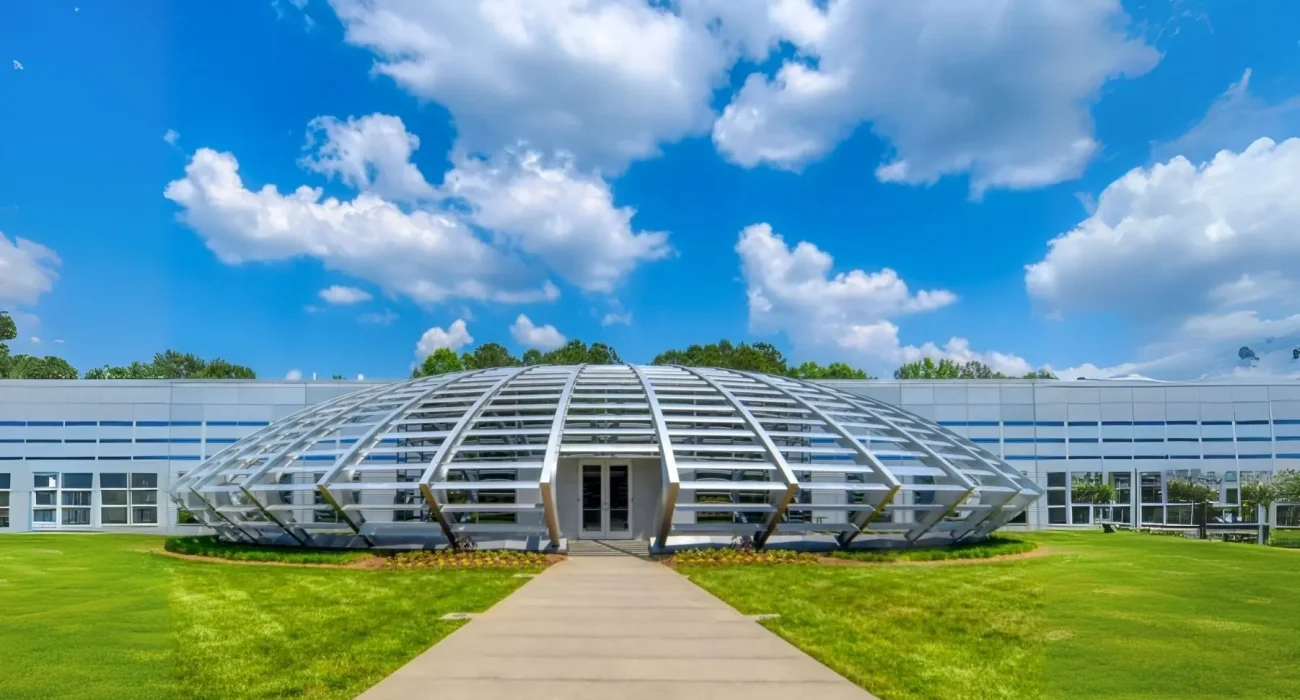
In today’s rapidly evolving business landscape, the convergence of workspace and media is not just a trend; it’s a necessity for modern businesses aiming to thrive. The integration of collaborative work environments with advanced media production capabilities allows companies to enhance creativity, boost productivity, and foster innovation. At World Park in Alpharetta, GA, we understand the importance of providing both coworking spaces and media production facilities under one roof, tailored to meet the diverse needs of startups, entrepreneurs, and media producers.
This article explores the benefits of merging workspace and media, the technological advancements driving this convergence, and actionable strategies for businesses to leverage these combined resources. Whether you are a startup looking to create compelling content or an established company seeking to innovate, understanding this convergence can set you on the path to success.
1. Understanding the Convergence of Workspace and Media
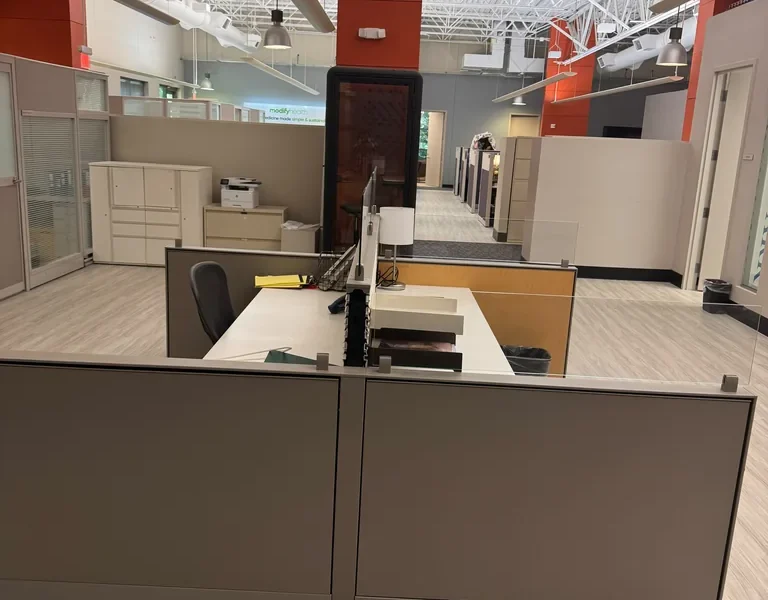
The concept of workspace has evolved significantly over the years. Traditional offices are being replaced by dynamic environments that encourage collaboration and creativity. Simultaneously, the media landscape is undergoing a transformation, with businesses increasingly relying on multimedia content to engage their audiences. This convergence means that companies must now consider how their physical spaces can support media production and vice versa.
At World Park, we offer a unique ecosystem where private office spaces, coworking environments, and professional media production studios coexist. This arrangement not only facilitates seamless collaboration among teams but also empowers businesses to produce high-quality content in-house. As the demand for engaging digital media rises, having both workspaces and production facilities available can give companies a competitive edge.
2. Benefits of Combining Workspace and Media Production
The integration of workspace and media production offers numerous benefits to modern businesses:
- Enhanced Collaboration: When teams work in a shared environment equipped with media production tools, collaboration becomes more natural and productive. Creative brainstorming sessions can seamlessly transition into content creation.
- Cost Efficiency: Maintaining separate offices and media studios can be expensive. By consolidating these functions, businesses can reduce overhead costs and streamline operations.
- Increased Flexibility: Businesses can adapt readily to changing needs. For instance, a startup can quickly pivot from a development phase to a marketing phase without the hassle of relocating or setting up new facilities.
- Improved Work-Life Balance: Modern workspaces that include media production facilities often incorporate amenities like lounge areas and wellness rooms, promoting a balanced work culture.
- Access to Expert Resources: Companies can benefit from on-site experts in media production, technology, and business development, fostering a collaborative ecosystem conducive to innovation.
3. Key Technologies Driving the Convergence
Several technological advancements are making it easier for businesses to integrate workspace and media production:
- Cloud Computing: Cloud solutions enable teams to access and collaborate on media projects from anywhere, facilitating remote work and real-time collaboration.
- AI and Machine Learning: These technologies can optimize media production processes, analyze audience engagement, and personalize content delivery.
- High-Speed Internet: A robust technology infrastructure, such as that offered at World Park, ensures that businesses can handle large media files without lag or downtime.
- Advanced Production Tools: Modern coworking spaces often come equipped with state-of-the-art video and audio production facilities, allowing businesses to create high-quality content in-house.
4. Strategies for Implementing a Dual Workspace
To successfully integrate workspace and media production, consider the following strategies:
- Assess Your Needs: Identify the specific requirements of your team and content production goals. Understanding these needs will guide your decisions regarding space and equipment.
- Design for Collaboration: Create open layouts that foster teamwork while also providing soundproof areas for focused media production.
- Invest in Technology: Equip your workspace with the latest tools for media production, such as high-quality cameras, editing software, and secure cloud storage.
- Foster a Creative Culture: Encourage experimentation and innovation by hosting regular workshops and media production events.
- Engage with Experts: Collaborate with media production professionals to optimize your processes and enhance the quality of your content.
5. Case Studies: Successful Integration in Action
Many businesses have successfully integrated workspace and media production, reaping the benefits of this convergence:
| Company | Industry | Integration Strategy | Outcome |
|---|---|---|---|
| Company A | Technology | Established a coworking space with an in-house podcast studio | Increased brand visibility and audience engagement |
| Company B | Marketing | Utilized shared spaces for collaborative video shoots | Reduced production costs and improved content quality |
| Company C | Media | Created a flexible work environment with dedicated media production zones | Enhanced creativity and innovation among teams |
These case studies illustrate the potential for businesses to thrive when they embrace the convergence of workspace and media.
6. Future Trends in Workspace and Media
The future of workspace and media will be shaped by several emerging trends:
- Hybrid Work Models: As remote work continues to be popular, businesses will need to create flexible spaces that accommodate both in-office and remote employees.
- Sustainability: Eco-friendly design and practices will become increasingly important, influencing the way workspaces are built and maintained.
- Advanced AI Tools: The use of AI in content creation and analysis will likely expand, providing businesses with deeper insights into audience preferences.
Businesses that stay ahead of these trends will be better positioned to adapt and thrive in an ever-changing landscape.
7. Frequently Asked Questions
What is the importance of combining workspace and media production?
Combining workspace and media production enhances collaboration, reduces costs, and improves overall productivity by providing businesses with the resources they need to create high-quality content in-house.
How can businesses effectively implement a dual workspace?
Businesses can successfully implement a dual workspace by assessing their needs, designing for collaboration, investing in technology, fostering a creative culture, and engaging with media experts.
What technologies are essential for integrating workspace and media?
Key technologies include cloud computing, AI and machine learning, high-speed internet, and advanced production tools that facilitate collaboration and enhance content quality.
What are some examples of successful companies using this approach?
Companies such as tech startups and marketing agencies have successfully integrated workspace and media production, resulting in increased brand visibility and improved content quality.
How does a modern workspace enhance employee creativity?
A modern workspace that includes media production facilities promotes collaboration, offers access to advanced tools, and provides a stimulating environment that encourages innovation.
What role does technology play in media production?
Technology is crucial in media production as it enables high-quality content creation, efficient collaboration, and data-driven insights into audience engagement.
Why is flexibility important in a workspace?
Flexibility allows businesses to adapt to changing needs, such as shifting from development to marketing phases, without the burden of relocating or restructuring.
What future trends should businesses be aware of?
Future trends include hybrid work models, sustainability in workspace design, and the increasing use of AI tools in content creation and analysis.