
How the Creator-Entrepreneur Hybrid Is Redefining Business Success
In today’s rapidly evolving business landscape, the lines between creativity and entrepreneurship are increasingly blurred. The emergence of the creator-entrepreneur hybrid is not just a trend; it represents a fundamental shift in how we define business success. This article explores how this unique blend of skills is reshaping industries, enhancing innovation, and driving new economic opportunities. Whether you’re a budding entrepreneur, a content creator, or a seasoned business leader, understanding this phenomenon is crucial for thriving in the modern marketplace.
Understanding the Creator-Entrepreneur Hybrid
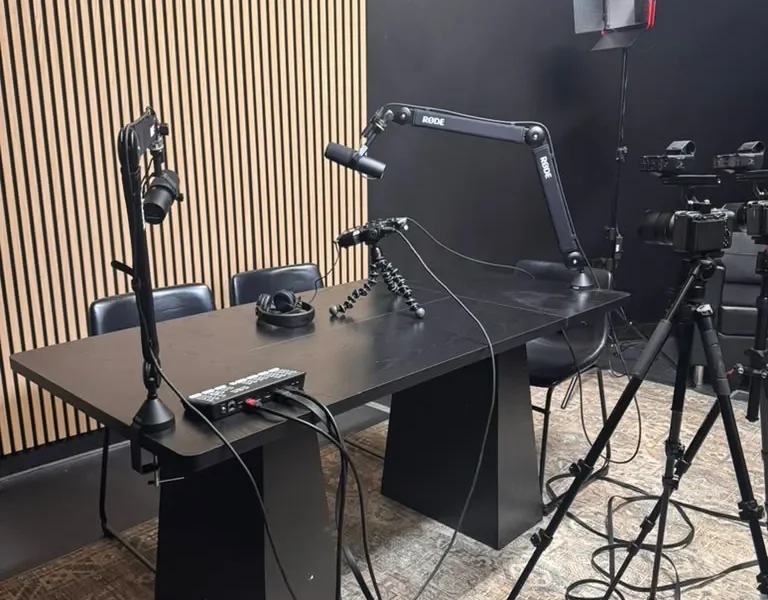
The creator-entrepreneur hybrid is characterized by individuals who leverage their creative skills to build businesses and monetize their passions. This model combines the artistic vision of creators with the strategic acumen of entrepreneurs, leading to innovative products and services that resonate with audiences. In essence, these hybrid professionals are turning their creative outputs—such as videos, art, music, or written content—into viable business ventures.
According to a report by the National Endowment for the Arts, the creative economy is one of the fastest-growing sectors, highlighting the importance of creativity in driving economic growth. As more individuals recognize the potential of blending creativity with entrepreneurship, we see a rise in creator-entrepreneurs across various industries, from technology to entertainment.
The Role of Technology in Shaping Hybrid Creators
Technology plays a pivotal role in enabling creator-entrepreneurs to succeed. Platforms such as social media, e-commerce sites, and content distribution channels have democratized access to audiences and resources. For instance, platforms like Shopify allow creators to set up online stores quickly, while social media platforms like Instagram and TikTok provide a space for creators to showcase their work and connect with potential customers.
Moreover, advancements in technology have led to the rise of tools that facilitate content creation, such as video editing software, graphic design applications, and AI-driven analytics. These tools empower creators to produce high-quality content and understand their audience’s preferences, enabling them to refine their strategies and enhance their offerings.
Benefits of Being a Creator-Entrepreneur
Embracing the creator-entrepreneur hybrid model comes with numerous benefits:
- Diverse Revenue Streams: Creator-entrepreneurs can monetize their skills through various channels, including merchandise sales, subscription models, and sponsorship deals.
- Creative Freedom: This model allows individuals to pursue their passions and express their creativity without the constraints often found in traditional employment.
- Community Engagement: By building a personal brand, creator-entrepreneurs can create loyal communities that support their endeavors and provide valuable feedback.
- Adaptability: The hybrid model encourages flexibility in business strategies, enabling quick pivots in response to market trends or audience needs.
Challenges Faced by Hybrid Creators
Despite the numerous benefits, creator-entrepreneurs also face unique challenges:
- Market Saturation: As more individuals enter the creator economy, standing out from the competition becomes increasingly difficult.
- Financial Instability: Many creator-entrepreneurs experience fluctuating income streams, making financial planning and stability a challenge.
- Burnout: Balancing creativity and entrepreneurship can lead to burnout, especially when individuals feel pressured to constantly produce content.
- Skill Gaps: Not all creators possess the business acumen necessary for successful entrepreneurship, leading to potential pitfalls in managing their ventures.
How to Foster a Creator-Entrepreneur Mindset
Transitioning into a creator-entrepreneur requires a shift in mindset. Here are actionable steps to cultivate this hybrid approach:
- Embrace Lifelong Learning: Continuously seek knowledge in both creative and business domains. Online courses, workshops, and networking events can provide valuable insights and skills.
- Network with Like-Minded Individuals: Join communities or coworking spaces, such as those at World Park, to connect with fellow creator-entrepreneurs who can offer support and collaboration opportunities.
- Set Clear Goals: Define your short-term and long-term goals. This clarity will help guide your decisions and strategies.
- Test and Iterate: Don’t be afraid to experiment with your content and business strategies. Gather feedback from your audience and make adjustments accordingly.
Case Studies: Successful Creator-Entrepreneurs
Several creator-entrepreneurs have made significant impacts in their respective fields. Here are a few notable examples:
| Name | Industry | Business Model |
|---|---|---|
| Pat Flynn | Podcasting | Online courses, affiliate marketing |
| Marques Brownlee | Tech Reviews | YouTube sponsorships, merchandise |
| Rachel Hollis | Motivational Speaking | Books, events, online courses |
These individuals exemplify how blending creativity with entrepreneurial strategies can lead to remarkable success. Their journeys highlight the importance of authenticity, community engagement, and adaptability in achieving business goals.
The Future of Business: Embracing the Hybrid Model
The future of business is undeniably leaning towards the creator-entrepreneur hybrid model. As consumer preferences shift towards authenticity and engagement, businesses that prioritize creativity and community will thrive. Companies are increasingly recognizing the value of collaboration with creator-entrepreneurs to enhance brand visibility and foster innovation.
Moreover, the rise of remote work and flexible office spaces, such as those offered at World Park, provides an ideal environment for creator-entrepreneurs to flourish. These spaces foster collaboration, creativity, and networking, essential components for success in the modern business landscape.
Conclusion
The creator-entrepreneur hybrid is redefining what it means to succeed in business. By leveraging creativity and entrepreneurial skills, individuals can create meaningful, impactful ventures that resonate with audiences. As this trend continues to grow, embracing the principles of adaptability, community engagement, and continuous learning will be essential for aspiring creator-entrepreneurs. As you embark on your own journey, consider how you can integrate these elements into your business strategy for lasting success.
FAQs
1. What is a creator-entrepreneur?
A creator-entrepreneur is an individual who combines creative skills with entrepreneurial strategies to build and monetize their passions.
2. How can I become a successful creator-entrepreneur?
Focus on lifelong learning, networking, setting clear goals, and testing your ideas to find what resonates with your audience.
3. What are the benefits of being a creator-entrepreneur?
Benefits include diverse revenue streams, creative freedom, community engagement, and adaptability in business strategies.
4. What challenges do creator-entrepreneurs face?
Common challenges include market saturation, financial instability, burnout, and skill gaps in business management.
5. How does technology impact creator-entrepreneurs?
Technology provides tools and platforms for content creation, audience engagement, and business management, making it easier for creator-entrepreneurs to succeed.
6. Can I be a creator-entrepreneur part-time?
Yes, many creator-entrepreneurs start part-time while maintaining other jobs until they can transition to full-time.
7. How important is networking for creator-entrepreneurs?
Networking is crucial as it opens up collaboration opportunities, mentorship, and community support.
8. What role does creativity play in entrepreneurship?
Creativity drives innovation, helps solve problems, and differentiates businesses in competitive markets.