

Top IT Security Practices for Small Businesses in Alpharetta
In today’s digital landscape, small businesses in Alpharetta face unique challenges when it comes to IT security. As cyber threats become more sophisticated, it’s essential for small businesses to adopt robust security practices to protect their sensitive data and maintain customer trust. This article explores the top IT security practices that small businesses in Alpharetta should implement to safeguard their operations.
Understanding the Importance of IT Security
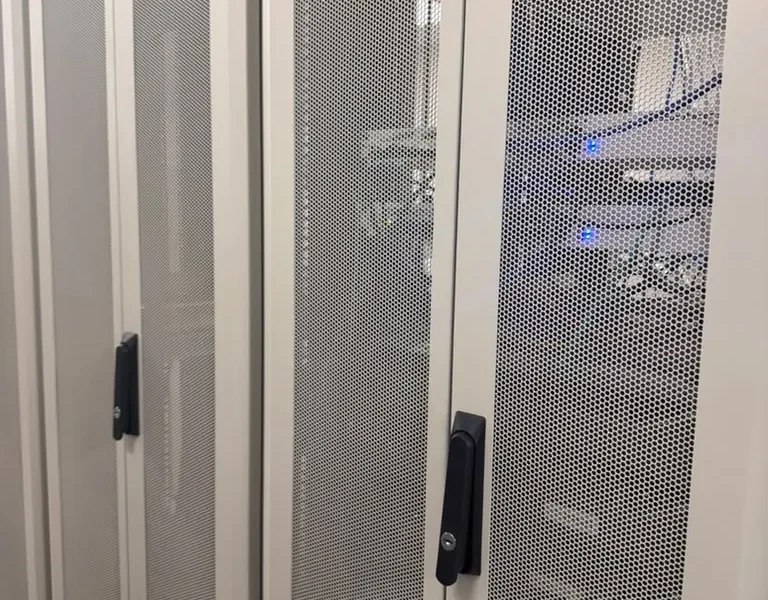
IT security is not just a technical concern; it is a fundamental aspect of business strategy. For small businesses, a single data breach can lead to financial loss, legal issues, and damage to reputation. Implementing strong IT security measures is vital for:
- Protecting Sensitive Data: Customer information, financial records, and proprietary data must be safeguarded from unauthorized access.
- Maintaining Business Continuity: Effective security practices help ensure that businesses can operate smoothly without disruptions caused by cyber incidents.
- Building Customer Trust: Demonstrating commitment to data protection fosters customer loyalty and enhances brand reputation.
Top IT Security Practices for Small Businesses
1. Conduct Regular Risk Assessments
Identifying vulnerabilities is the first step in securing your business. Regular risk assessments help you understand the potential threats facing your organization. Consider the following:
- Assess your current IT infrastructure.
- Identify critical data and systems.
- Evaluate potential threats and vulnerabilities.
By conducting these assessments, you can prioritize security measures based on the level of risk.
2. Implement Strong Password Policies
Passwords are often the weakest link in IT security. To enhance password security, consider the following practices:
- Require complex passwords that include a mix of letters, numbers, and special characters.
- Encourage employees to change passwords regularly.
- Implement multi-factor authentication (MFA) for an added layer of security.
3. Educate Employees on Cybersecurity
Your employees are your first line of defense against cyber threats. Regular training sessions can help them recognize and respond to potential threats. Focus on:
- Identifying phishing emails and suspicious links.
- Understanding the importance of data protection.
- Best practices for secure internet usage.
4. Use Up-to-Date Security Software
Investing in reliable security software is crucial for protecting your business from malware, viruses, and other cyber threats. Ensure that you:
- Keep all software, including operating systems and applications, up to date.
- Utilize firewalls and antivirus software to monitor and protect your network.
- Implement intrusion detection systems to identify potential breaches.
5. Secure Your Network
A secure network is essential for protecting your business data. To ensure network security, consider:
- Using a Virtual Private Network (VPN) for remote access.
- Segmenting your network to limit access to sensitive data.
- Regularly monitoring network traffic for unusual activity.
6. Backup Data Regularly
Data loss can occur due to various reasons, including cyberattacks, hardware failures, or natural disasters. Implement a robust data backup strategy that includes:
- Regularly scheduled backups of critical data.
- Storing backups in a secure offsite location or using cloud services.
- Testing backup restoration processes to ensure data can be recovered.
7. Develop an Incident Response Plan
Having a clear incident response plan can minimize the impact of a cyber incident. Your plan should include:
- Steps to identify and contain a security breach.
- Communication protocols for informing stakeholders.
- Procedures for restoring systems and data.
8. Ensure Compliance with Regulations
Small businesses must comply with various regulations related to data protection, such as the General Data Protection Regulation (GDPR) and the Health Insurance Portability and Accountability Act (HIPAA). Ensure your business:
- Stays informed about relevant regulations.
- Implements necessary measures to comply with these regulations.
- Regularly reviews and updates compliance practices.
Utilizing Local Resources for IT Security
Small businesses in Alpharetta can benefit from local resources to enhance their IT security practices. Consider partnering with:
- Local IT Service Providers: Collaborate with local IT firms that offer tailored security solutions for small businesses.
- Networking Events: Attend local business networking events to share experiences and learn from other entrepreneurs about their security practices.
- Workshops and Seminars: Participate in workshops that focus on cybersecurity awareness and best practices.
Conclusion
In an era where cyber threats are ever-evolving, small businesses in Alpharetta must prioritize IT security to protect their assets and ensure long-term success. By implementing the practices outlined in this article, small businesses can create a secure environment that fosters growth and innovation.
FAQs
1. What are the most common cyber threats faced by small businesses?
Small businesses commonly face threats such as phishing attacks, ransomware, and data breaches.
2. How often should I conduct a risk assessment?
It is recommended to perform a risk assessment at least annually or whenever significant changes occur in your business.
3. What is multi-factor authentication (MFA)?
MFA is a security method that requires users to provide multiple forms of verification to access accounts, enhancing security.
4. How can I educate my employees about cybersecurity?
Implement regular training sessions, share resources, and conduct simulated phishing attacks to enhance awareness.
5. What should I do if a data breach occurs?
Follow your incident response plan, contain the breach, notify affected parties, and seek professional help if necessary.
6. Is cloud storage secure for backing up data?
Cloud storage can be secure if you choose reputable providers and implement additional security measures such as encryption.
7. How can I ensure compliance with data protection regulations?
Stay informed about applicable regulations and regularly review your policies and practices to ensure compliance.
8. What are the benefits of working with local IT service providers?
Local IT service providers understand the specific needs of small businesses in the area and can offer personalized support.
- The Biggest Cybersecurity Threats Facing Alpharetta Businesses in 2026
- Cybersecurity Horror Stories: What Happened When Alpharetta Businesses Skipped IT
- Essential Guide to Training Employees on Cybersecurity Best Practices
- Essential Computer Vision Applications for Business: Quality Control, Security & More
- On-site data center colocation and disaster recovery