

How to Build a Podcast Empire From Alpharetta, Georgia
In recent years, podcasting has exploded in popularity, becoming a significant medium for storytelling, education, and entertainment. Whether you’re an aspiring podcaster or an established creator looking to expand your reach, building a podcast empire can be an exciting journey, especially from a vibrant location like Alpharetta, Georgia. In this article, we will explore the essential steps to create a successful podcast and grow it into a thriving business.
Understanding the Podcasting Landscape
Before diving into the intricacies of building your podcast empire, it is crucial to understand the current landscape of podcasting. With millions of active podcasts available, competition is fierce. However, the growing audience for podcasts presents an opportunity for creators to carve out their niche.
The Rise of Podcasting
In recent years, podcast consumption has surged, with millions of listeners tuning in daily. This growth is fueled by the accessibility of platforms like Spotify, Apple Podcasts, and Google Podcasts, making it easier than ever for creators to share their content. The potential for monetization through sponsorships, advertisements, and listener donations also makes podcasting an attractive venture.
Step 1: Define Your Niche
The first step in building your podcast empire is to define your niche. It’s essential to identify a topic you are passionate about and that resonates with potential listeners. Consider the following questions:
- What topics do you have expertise in or a strong interest in?
- Who is your target audience?
- What unique perspective can you bring to the topic?
By narrowing down your focus, you can create content that stands out in a crowded market.
Step 2: Plan Your Podcast Content
Once you’ve defined your niche, it’s time to plan your content. This involves outlining your episodes, determining the format (interviews, solo, panel discussions), and creating a content calendar. A well-structured plan will help you maintain consistency and keep your audience engaged.
Episode Structure
Consider how you want to structure each episode. Common formats include:
- Interviews with guests
- Solo commentary
- Panel discussions
- Storytelling
Each format has its strengths, so choose one that aligns with your style and audience preferences.
Content Calendar
Creating a content calendar can help you stay organized and ensure a steady flow of episodes. Plan your topics ahead of time, allowing for flexibility to adapt to current trends or events.
Step 3: Invest in Quality Equipment
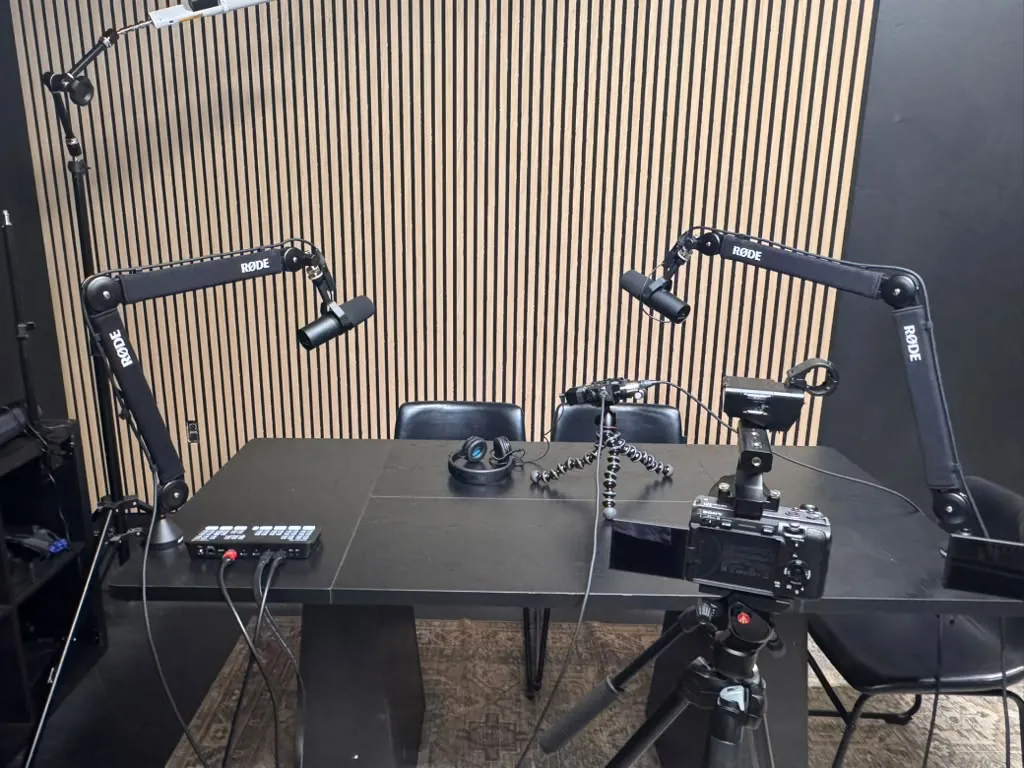
To produce high-quality audio, it’s vital to invest in the right equipment. While you don’t need to break the bank, certain tools can significantly improve your podcast’s sound quality:
- Microphone: A good-quality microphone is essential for clear audio.
- Headphones: Invest in closed-back headphones to monitor your audio while recording.
- Recording Software: Use user-friendly software like Audacity or GarageBand for recording and editing.
Additionally, consider utilizing professional podcast and video production studios available at World Park in Alpharetta. These facilities provide enterprise-grade technology infrastructure and expert support to elevate your production quality.
Step 4: Record and Edit Your Episodes
With your plan and equipment in place, it’s time to start recording. Choose a quiet environment to minimize background noise and ensure a professional sound. During recording, be mindful of pacing and clarity.
Editing
Editing is where the magic happens, and it’s essential to refine your audio. Remove any mistakes, awkward pauses, or background noise. Use editing tools to enhance the overall sound quality and add music or sound effects where appropriate.
Step 5: Publish and Promote Your Podcast
After your episodes are polished and ready, it’s time to publish them. Choose a podcast hosting platform that suits your needs. Popular options include Libsyn, Podbean, and Anchor. Once published, promote your podcast across various channels:
- Social Media: Share snippets, quotes, or behind-the-scenes content on platforms like Instagram, Twitter, and Facebook.
- Website: Create a website for your podcast to host episode show notes, links, and additional content.
- Networking: Attend local events and meetups in Alpharetta to connect with fellow podcasters and potential listeners.
Step 6: Monetize Your Podcast
As your podcast grows, consider monetization strategies to turn your passion into profit. Common methods include:
- Sponsorships: Partner with brands relevant to your audience for sponsored segments.
- Listener Donations: Use platforms like Patreon to allow listeners to support your show financially.
- Merchandising: Sell branded merchandise to your audience.
Step 7: Build a Community
Building a loyal community is essential for the long-term success of your podcast. Engage with your listeners through social media, email newsletters, and live events. Consider hosting business networking and startup events at World Park to connect with like-minded individuals and grow your audience.
Listener Interaction
Encourage listener interaction by soliciting feedback, answering questions, and featuring listener stories. This engagement fosters a sense of belonging and loyalty among your audience.
Step 8: Analyze and Adjust Your Strategy
Regularly analyze your podcast’s performance through metrics such as downloads, listener demographics, and engagement rates. Use this data to adjust your content strategy, ensuring you continue to meet the needs of your audience.
Conclusion
Building a podcast empire from Alpharetta, Georgia, is an achievable goal with the right approach and dedication. By defining your niche, creating quality content, investing in the right equipment, and actively engaging with your audience, you can grow your podcast into a successful venture. Remember, the journey may require time and effort, but the rewards of connecting with your audience and sharing your passion can be immensely fulfilling.
FAQ
1. How long should my podcast episodes be?
Episode length can vary, but most podcasts range from 20 to 60 minutes. Find a duration that works for your content and audience.
2. What should I do if I run out of ideas for episodes?
Consider revisiting popular topics, conducting listener surveys, or collaborating with guests to generate fresh ideas.
3. How can I improve my podcast’s audio quality?
Invest in quality equipment, record in a quiet space, and take the time to edit your episodes carefully.
4. Can I monetize my podcast from the start?
While it’s possible, building a loyal audience first is often more effective before pursuing monetization options.
5. What are the best platforms to host my podcast?
Popular podcast hosting platforms include Libsyn, Podbean, and Anchor. Choose one that best fits your needs.
6. How can I promote my podcast effectively?
Promote through social media, create a website, and network with other podcasters and potential listeners.
7. Should I have guests on my podcast?
Having guests can bring fresh perspectives and attract their audience, but it’s essential to choose guests who align with your niche.
8. What is the best way to engage my audience?
Encourage feedback, respond to comments, and create opportunities for listener interaction to build a strong community.
9. How often should I release new episodes?
Consistency is key; whether weekly, biweekly, or monthly, stick to a schedule that you can maintain.
10. What are the benefits of joining a coworking space for podcasters?
A coworking space like World Park offers access to professional studios, networking opportunities, and a supportive community ideal for podcasters.