

The Ultimate 10-Step Checklist for Launching a Business Podcast in Alpharetta
In today’s digital age, podcasts have emerged as a powerful medium for businesses to connect with their audience, share valuable insights, and establish authority in their industry. If you’re considering launching a business podcast in Alpharetta, you’ve come to the right place. This comprehensive guide provides a 10-step checklist to help you navigate the process of creating a successful podcast that resonates with your target audience.
Step 1: Define Your Podcast’s Purpose
Before diving into the technical aspects of podcasting, it’s essential to define your podcast’s purpose. What do you hope to achieve with your podcast? Are you looking to educate your audience, showcase your expertise, or promote your products and services? Having a clear purpose will guide your content creation and help you stay focused.
Identify Your Target Audience
Understanding who your podcast is for is crucial. Define your ideal listener’s demographics, interests, and pain points. This knowledge will help you tailor your content to meet their needs and keep them engaged.
Step 2: Choose a Unique Podcast Name
Your podcast’s name is your first impression, so make it count. Choose a name that reflects your brand and the topics you’ll cover. Ensure it’s catchy, memorable, and easy to spell. Additionally, check if the name is available as a domain name and on podcast directories.
Step 3: Plan Your Content Strategy
Content is the heart of your podcast. Develop a content strategy that outlines your podcast format, episode length, and frequency. Will you have guests, or will it be a solo show? How long will each episode be? Decide on a consistent release schedule to keep your audience anticipating new episodes.
Brainstorm Episode Ideas
Create a list of potential episode topics that align with your podcast’s purpose and audience interests. Consider incorporating various formats, such as interviews, panel discussions, or Q&A sessions, to keep your content fresh and engaging.
Step 4: Invest in Quality Equipment
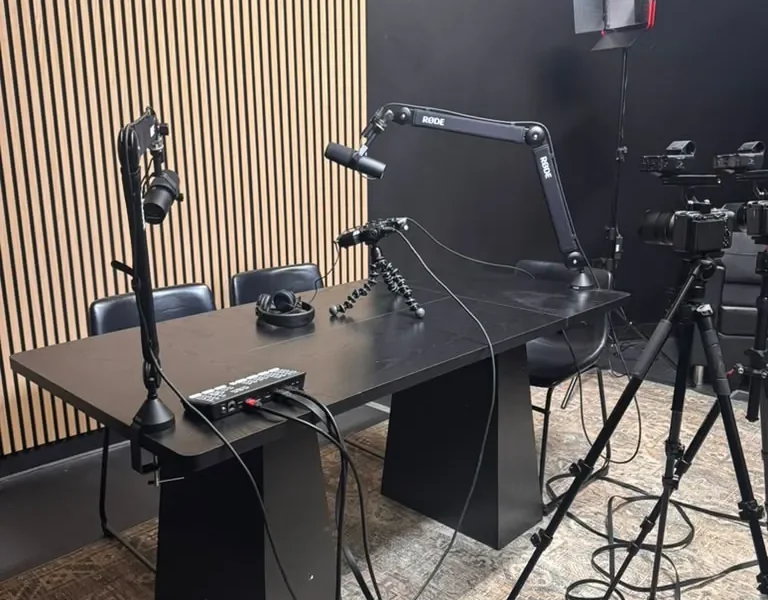
To produce a professional-sounding podcast, invest in quality recording equipment. At a minimum, you’ll need a good microphone, headphones, and audio recording software. Consider using a digital audio workstation (DAW) for editing your episodes.
Explore Podcasting Studios
If you’re looking for a more polished sound, consider renting a professional podcast studio in Alpharetta, such as those available at World Park. With enterprise-grade technology infrastructure, these studios offer excellent acoustics and equipment.
Step 5: Record Your First Episode
Once you’re equipped and ready, it’s time to record your first episode. Choose a quiet environment, and conduct a test run to ensure your audio quality is up to par. Remember to speak clearly and with enthusiasm to engage your listeners.
Editing Your Episode
Editing is a crucial step in podcast production. Use your chosen DAW to cut out any mistakes, add music, and enhance your audio quality. Consider adding an intro and outro to give your podcast a professional touch.
Step 6: Create Eye-Catching Podcast Artwork
Your podcast artwork is the first visual impression potential listeners will have. Design a compelling cover image that reflects your brand and podcast theme. Ensure it meets the specifications of podcast directories and is visually appealing.
Branding Consistency
Maintain branding consistency across all platforms, including your website, social media, and podcast artwork. This helps establish a recognizable identity for your podcast.
Step 7: Choose a Podcast Hosting Platform
Select a reliable podcast hosting platform to upload and distribute your episodes. Look for features such as analytics, ease of use, and integration with various podcast directories. Some popular hosting platforms include Libsyn, Podbean, and Anchor.
Step 8: Promote Your Podcast
Promotion is key to growing your podcast audience. Utilize social media, email newsletters, and your website to announce new episodes and engage with listeners. Consider collaborating with other podcasters or influencers in your niche to reach a broader audience.
Networking Opportunities
Participate in local business networking events in Alpharetta, such as those hosted by World Park, to connect with potential guests and listeners. Networking can significantly boost your podcast’s visibility.
Step 9: Monitor Your Podcast’s Performance
Once your podcast is live, monitor its performance using analytics provided by your hosting platform. Track key metrics such as downloads, listener demographics, and engagement rates. Use this data to refine your content strategy and improve future episodes.
Step 10: Engage with Your Audience
Building a loyal audience requires engagement. Encourage listeners to leave reviews, send feedback, and ask questions. Consider creating a dedicated space for listener interaction, such as a Facebook group or a section on your website.
Continuous Improvement
Regularly seek feedback from your audience and be open to making changes based on their suggestions. This will help you create a podcast that resonates with your listeners and keeps them coming back for more.
Conclusion
Launching a business podcast in Alpharetta can be a rewarding experience, providing you with a platform to share your expertise and connect with your audience. By following this 10-step checklist, you’ll be well on your way to creating a successful podcast that enhances your brand and fosters meaningful connections.
FAQs
1. How long should my podcast episodes be?
While there’s no strict rule, most podcast episodes range from 20 minutes to an hour. Consider your audience’s preferences and the depth of your content.
2. Do I need a professional studio to record my podcast?
A professional studio is not necessary, but it can enhance your audio quality. You can also create a quiet recording space at home with the right equipment.
3. How often should I release new episodes?
Consistency is key. Whether it’s weekly, bi-weekly, or monthly, choose a schedule you can stick to and communicate it to your audience.
4. What topics should I cover in my podcast?
Select topics that align with your business and resonate with your target audience. Consider their interests and pain points.
5. How can I promote my podcast effectively?
Utilize social media, email marketing, and collaborations with other podcasters to promote your podcast and reach a wider audience.
6. Should I have guests on my podcast?
Having guests can add diversity and value to your podcast. Consider inviting industry experts, clients, or influencers to share their insights.
7. How can I monetize my podcast?
Monetization options include sponsorships, affiliate marketing, merchandise sales, and listener donations through platforms like Patreon.
8. What should I do if I run out of episode ideas?
Engage with your audience for topic suggestions, explore current trends in your industry, or revisit previous content for updates and insights.
9. How important is podcast artwork?
Podcast artwork is crucial as it’s the first impression potential listeners have. Ensure it is eye-catching and reflects your brand.
10. Can I edit my podcast episodes after they are published?
Most hosting platforms allow you to edit episodes after publishing, but it’s best to ensure your content is polished before going live.
