

How to Design a Hot-Desking System That Employees Actually Like
In today’s dynamic work environment, the traditional fixed desk setup is evolving rapidly. The rise of hot-desking systems has transformed how companies utilize office space, aiming to promote flexibility, collaboration, and efficiency. However, implementing a hot-desking system that employees genuinely appreciate requires thoughtful planning and execution. In this comprehensive guide, we will explore actionable strategies for designing an effective hot-desking system that not only meets organizational goals but also enhances employee satisfaction. You will learn about the benefits of hot-desking, key considerations for its design, and practical tips for fostering a positive hot-desking culture. By the end of this article, you’ll be equipped with insights that can help you create a workspace that employees actually like, thereby driving productivity and engagement.
Understanding Hot-Desking
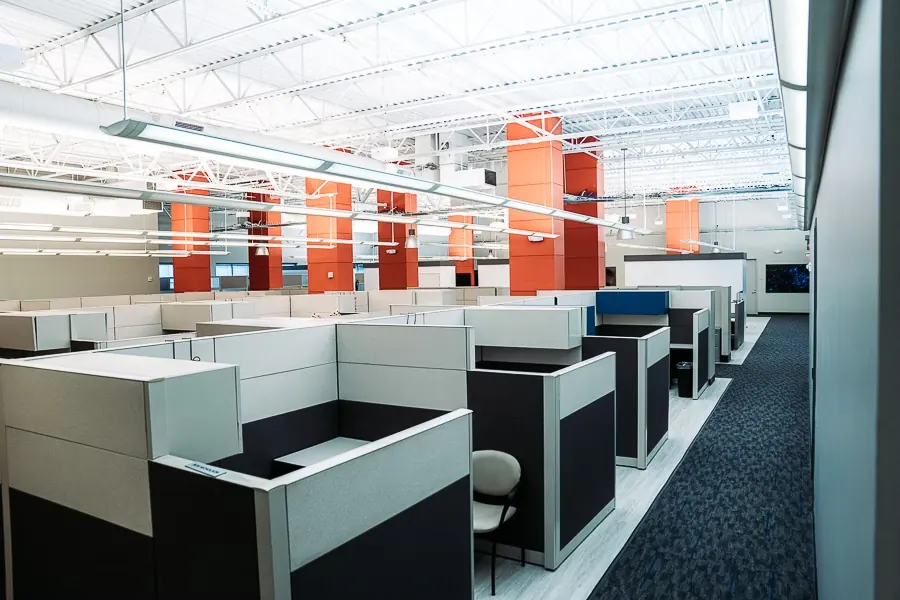
Hot-desking refers to a flexible workspace arrangement where employees do not have assigned desks. Instead, they choose from available desks on a first-come, first-served basis. This approach is increasingly popular among startups and tech companies that prioritize agility and collaboration. According to a study by the Gartner Group, 75% of HR leaders plan to increase remote work options, which has accelerated the need for flexible workspace solutions like hot-desking.
Benefits of Hot-Desking
Implementing a hot-desking system can yield numerous benefits for organizations:
- Cost Efficiency: Reduces the need for extensive office space and associated overhead costs.
- Enhanced Collaboration: Encourages employees to interact with different teams, fostering innovation and creativity.
- Flexibility: Adapts to the changing needs of the workforce, especially in hybrid work models.
- Space Optimization: Maximizes the use of available office space, allowing companies to accommodate more employees in less area.
However, the success of a hot-desking system hinges on its design and implementation. Companies must address potential challenges, such as employee resistance and logistical issues, to create a system that truly works. This is where World Park can assist, providing modern coworking environments tailored for startups and technology-driven organizations.
Key Considerations for Designing a Hot-Desking System
When designing a hot-desking system, consider the following key aspects:
1. Space Layout
The physical layout of the workspace is crucial. Open floor plans can facilitate collaboration, but it’s essential to incorporate quiet zones for focused work. Consider designing collaborative spaces equipped with technology for meetings and brainstorming sessions, alongside individual workstations. A well-designed layout can enhance productivity and satisfaction in a hot-desking environment.
2. Technology Integration
Seamless technology integration is vital for a successful hot-desking system. Provide employees with tools such as booking systems for desk reservations, mobile applications for checking availability, and reliable internet connectivity. A robust technology infrastructure ensures that employees can work efficiently regardless of their chosen workspace. World Park specializes in enterprise-grade technology infrastructure, making it an ideal partner for organizations looking to implement hot-desking.
3. Personalization Options
Allow employees to personalize their workspace, even in a hot-desking environment. Consider providing storage solutions for personal items or digital profiles that enable them to save their preferences (e.g., preferred desk settings, lighting). Personalization fosters a sense of ownership and comfort, reducing resistance to hot-desking.
4. Feedback Mechanisms
Establish feedback channels to gather employee input on the hot-desking system. Regular surveys and suggestion boxes can identify areas for improvement and address concerns. Actively engaging employees in the design process promotes buy-in and enhances the overall experience.
5. Health and Safety Considerations
In light of recent global events, it’s crucial to prioritize health and safety in a hot-desking setup. Implement cleaning protocols, provide sanitization stations, and ensure proper ventilation in shared spaces. Communicating these measures can reassure employees and encourage a positive perception of the hot-desking system.
Steps to Implement a Successful Hot-Desking System
To effectively implement a hot-desking system, follow these steps:
- Assess Needs: Evaluate your organization’s requirements and employee preferences. Conduct surveys to understand what employees want from a hot-desking experience.
- Design the Space: Collaborate with interior designers to create a layout that fosters collaboration while accommodating individual work needs.
- Choose the Right Technology: Invest in technology solutions that facilitate desk booking, connectivity, and communication.
- Communicate Clearly: Develop a communication plan to inform employees about the changes and benefits of the hot-desking system.
- Pilot Program: Launch a pilot hot-desking program with a small group of employees to test the system and gather feedback.
- Full Implementation: Based on feedback from the pilot, make necessary adjustments and roll out the hot-desking system organization-wide.
- Monitor and Adjust: Continuously assess the effectiveness of the hot-desking system and make adjustments as needed based on ongoing feedback.
Creating a Positive Hot-Desking Culture
To ensure the success of a hot-desking system, fostering a positive culture is essential. Here are some strategies:
1. Promote Collaboration
Encourage team-building activities and collaborative projects that require employees to work together in shared spaces. This not only enhances relationships but also helps employees feel more comfortable in a hot-desking environment.
2. Offer Flexibility
Allow employees to choose when and where they work. Flexibility can increase job satisfaction and productivity, making the hot-desking system more appealing.
3. Recognize and Reward
Implement recognition programs that celebrate employees who excel in collaboration and adaptability within the hot-desking system. This fosters a sense of community and motivates others to engage positively.
4. Provide Resources
Ensure that employees have access to the resources they need, including ergonomic furniture, technology, and personal storage options. This enhances their comfort and productivity in a hot-desking environment.
Measuring the Success of Your Hot-Desking System
To determine the effectiveness of your hot-desking system, consider the following metrics:
1. Employee Satisfaction
Conduct regular surveys to gauge employee satisfaction levels with the hot-desking system. Assess areas such as comfort, productivity, and overall experience.
2. Utilization Rates
Monitor desk utilization rates to understand how often spaces are being used. High utilization indicates that the system is working effectively, while low rates may signal issues.
3. Collaboration Metrics
Track collaboration metrics, such as the number of team interactions, to assess whether the hot-desking system is fostering the desired collaborative culture.
4. Productivity Levels
Measure productivity levels pre- and post-implementation of the hot-desking system. Increased productivity can indicate a successful transition.
Expert Tips for Hot-Desking
Conclusion
Designing a hot-desking system that employees actually like requires a strategic approach that prioritizes their needs and preferences. By considering factors such as space layout, technology integration, and employee engagement, organizations can create a flexible workspace that enhances collaboration, productivity, and overall satisfaction. Remember that the success of your hot-desking system relies on continuous feedback and adaptation to ensure it meets the evolving needs of your workforce. For companies seeking modern coworking solutions, World Park offers innovative spaces designed for startups and technology-driven organizations, providing the infrastructure necessary for a successful hot-desking experience.
FAQs
What is hot-desking?
Hot-desking is a flexible workspace arrangement where employees do not have assigned desks but choose from available desks on a first-come, first-served basis.
What are the benefits of hot-desking?
Hot-desking can lead to cost savings, enhanced collaboration, increased flexibility, and optimized office space utilization.
How do I implement a hot-desking system?
To implement a hot-desking system, assess needs, design the space, integrate technology, communicate clearly, pilot the program, and continuously monitor and adjust.
What challenges might arise with hot-desking?
Challenges include employee resistance, logistical issues, and the need for clear communication about the system’s benefits and guidelines.
How can I foster a positive hot-desking culture?
Encourage collaboration, offer flexibility, recognize and reward employees, and provide necessary resources to enhance the hot-desking experience.
How do I measure the success of a hot-desking system?
Measure success through employee satisfaction surveys, desk utilization rates, collaboration metrics, and productivity levels.
What technology is essential for hot-desking?
Essential technology includes desk booking systems, mobile applications, reliable internet connectivity, and tools for communication and collaboration.
Can hot-desking work in all industries?
While hot-desking is most effective in collaborative environments, it can be adapted to various industries with proper design and implementation.