

Create a Brand Video That Converts: From Pre-Production to Final Cut
In the digital age, video content has become a cornerstone of effective marketing strategies. A well-crafted brand video not only conveys your message but also engages your audience, driving conversions and fostering loyalty. In this comprehensive guide, we will explore how to create a brand video that converts, covering everything from pre-production planning to the final cut. Whether you are a startup in Alpharetta or an established business seeking to enhance your digital presence, this guide will equip you with the essential tools and insights to produce compelling video content.
Understanding the Importance of Brand Videos
Brand videos are a powerful tool for storytelling and marketing. They can increase brand awareness, enhance customer engagement, and drive conversions. According to a report by Wyzowl, 84% of consumers say that they have been convinced to make a purchase after watching a brand’s video. This statistic underscores the significance of video content in today’s consumer-driven market.
Pre-Production: Laying the Groundwork
The pre-production phase is crucial for the success of your brand video. Here are the key steps to consider:
Define Your Goals and Objectives
Before you start filming, it is essential to define what you want to achieve with your video. Are you looking to increase brand awareness, promote a new product, or drive traffic to your website? Setting clear objectives will guide your entire production process.
Identify Your Target Audience
Understanding your audience is fundamental to creating a video that resonates. Consider demographics, interests, and pain points. This knowledge will inform your messaging and tone, ensuring that your video speaks directly to your audience’s needs.
Budgeting for Your Video Production
Establishing a budget is critical in pre-production. Consider costs for equipment, talent, location, and post-production. Allocate resources wisely to ensure you can achieve your desired quality without overspending.
Assemble Your Production Team
Depending on the scope of your project, you may need to hire a production team. This can include a director, camera operators, and editors. If you’re a small business or startup, consider leveraging local talent or collaborating with freelancers for a cost-effective solution.
Scripting and Storyboarding Your Video
A compelling script and storyboard serve as the backbone of your video. They help organize your thoughts and ensure a cohesive narrative.
Writing the Script
Your script should be concise and engaging. Focus on your core message while incorporating storytelling elements. Use a conversational tone to connect with your audience. Remember to include a strong call to action that encourages viewers to take the next step.
Creating a Storyboard
A storyboard visually represents your script, outlining each scene and shot. This will help you visualize the flow of your video and make necessary adjustments before filming. You can create a simple storyboard using paper or digital tools.
Choosing the Right Equipment
The quality of your video is heavily influenced by the equipment you use. Here are some essential tools to consider:
Camera
Investing in a good camera is crucial. While professional cameras offer superior quality, many smartphones today can capture high-quality video. Consider your budget and the level of quality you need.
Microphone
Audio quality is just as important as video quality. A good microphone ensures clear sound, which is essential for engaging content. Consider lapel mics for interviews or shotgun mics for capturing ambient sound.
Lighting
Proper lighting enhances the visual appeal of your video. Natural light is excellent, but you may need additional lighting equipment for indoor shoots. Softboxes and LED lights are popular options for achieving a professional look.
Filming Techniques for Maximum Impact
When it comes to filming, the techniques you use can significantly affect the final product. Here are some tips to keep in mind:
Use a Tripod
A tripod stabilizes your camera, preventing shaky footage. This is especially important for interviews or static shots.
Plan Your Shots
Stick to your storyboard but also be flexible. Capture multiple angles and takes to give yourself options in post-production.
Incorporate B-Roll Footage
B-roll footage adds depth to your video. It can be used to illustrate points or provide context, making your video more engaging.
Editing Your Brand Video
Editing is where your video truly comes to life. Here’s how to approach the editing process:
Choosing Editing Software
Select editing software that meets your needs and skill level. Options range from beginner-friendly tools like iMovie to more advanced software like Adobe Premiere Pro.
Editing Tips
Focus on pacing and flow. Use cuts and transitions to maintain viewer interest. Incorporate music and sound effects to enhance the emotional impact of your video.
Distribution Strategies for Your Video
Once your video is complete, it’s time to share it with the world. Here are effective distribution strategies:
Utilize Social Media Platforms
Share your video on social media to reach a wider audience. Platforms like Facebook, Instagram, and LinkedIn are excellent for brand promotion.
Embed on Your Website
Embedding your video on your website can improve engagement and SEO. Consider adding it to your homepage or as part of a blog post.
Email Marketing
Include your video in email marketing campaigns to drive traffic and conversions. Videos can increase click-through rates significantly.
Measuring Success: Analytics and KPIs
To understand the effectiveness of your brand video, track key performance indicators (KPIs) such as:
- View count
- Engagement rate (likes, shares, comments)
- Click-through rate (CTR)
- Conversion rate
Utilize analytics tools like Google Analytics and social media insights to gather data and make informed decisions for future videos.
Expert Tips for Creating Engaging Brand Videos
Here are some additional expert tips:
- Test different formats and styles to see what resonates with your audience.
- Use captions and subtitles to make your video accessible to a broader audience.
- Incorporate user-generated content to build trust and community.
Conclusion
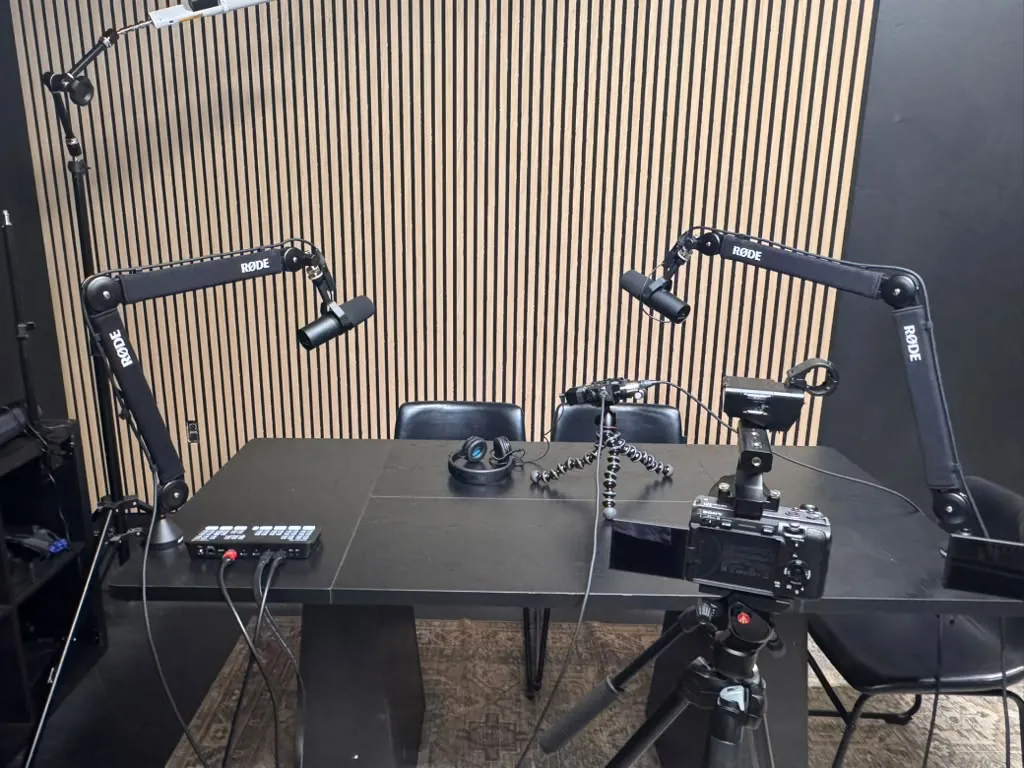
Creating a brand video that converts requires careful planning, creativity, and execution. By following the steps outlined in this guide, you can produce a compelling video that not only showcases your brand but also drives engagement and conversions. If you’re looking for professional video production services, consider our studio in Alpharetta: the podcast studio has Sony Cinema Line FX3 and FX30 cameras and can be booked as the room only or with production support.
FAQs
1. What is a brand video?
A brand video is a marketing tool that conveys your brand’s message, values, and personality, often through storytelling.
2. How long should a brand video be?
Ideally, a brand video should be between 60 to 90 seconds to maintain viewer engagement.
3. What are the key elements of a successful brand video?
Key elements include a clear message, strong visuals, engaging storytelling, and a compelling call to action.
4. How can I distribute my brand video effectively?
Utilize social media, embed it on your website, and include it in email marketing campaigns for effective distribution.
5. What equipment do I need for filming a brand video?
Essential equipment includes a good camera, microphone, lighting, and editing software.
6. How can I measure the success of my brand video?
Track KPIs such as view count, engagement rate, CTR, and conversion rate using analytics tools.
7. Can I create a brand video on a budget?
Yes, you can create effective brand videos on a budget by using smartphones, free editing software, and local talent.
8. What are some common mistakes to avoid when creating a brand video?
Common mistakes include poor audio quality, lack of a clear message, and neglecting to optimize for different platforms.