

The Ultimate Guide to ROI: Professional Video Production vs. Smartphone Content
In today’s digital landscape, businesses are constantly seeking effective ways to engage their audiences and enhance their marketing efforts. One of the most compelling formats to achieve this is video content. However, the question often arises: should businesses invest in professional video production or rely on smartphone content for their marketing needs? In this comprehensive guide, we will explore the return on investment (ROI) of professional video production versus smartphone content, providing you with insights, data, and expert opinions to make an informed decision. By the end of this article, you will understand the advantages and disadvantages of both approaches and how they can impact your business’s marketing strategy.
Understanding Video Content in Business
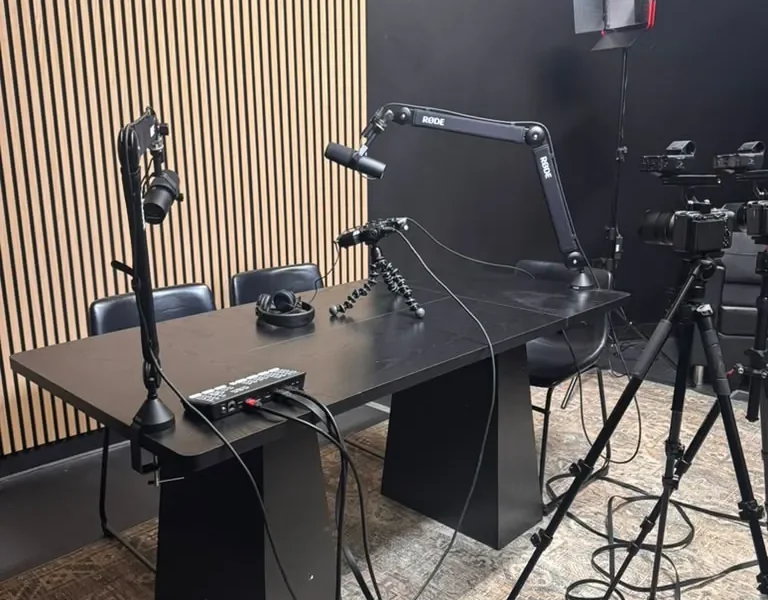
Video content has become a cornerstone of modern marketing strategies, allowing businesses to convey their messages more effectively than traditional text or static images. According to a report by Wyzowl, 86% of businesses use video as a marketing tool, and 93% of marketers believe that video is an essential part of their strategy. The ability to capture attention quickly, evoke emotions, and provide information in an engaging format makes video a powerful medium for brands.
The Importance of Professional Video Production
Investing in professional video production offers several key advantages that can significantly enhance your brand’s image and marketing effectiveness. Here are some compelling reasons why professional video production should be considered:
- High Production Quality: Professional videographers use high-end equipment, lighting, and sound techniques, ensuring that the final product is polished and visually appealing.
- Expertise and Creativity: Professional video production teams bring creativity and expertise to the table, crafting narratives that resonate with audiences and align with brand messaging.
- Brand Credibility: High-quality videos convey professionalism and build trust with potential customers, enhancing your brand’s reputation.
- Enhanced Engagement: Professionally produced videos are more likely to captivate viewers, leading to higher engagement rates across platforms.
- Better Optimization for SEO: Professional videos can be optimized for search engines, increasing visibility and driving organic traffic to your website.
For businesses in Alpharetta, GA, seeking to elevate their video marketing, World Park’s professional video production studios offer state-of-the-art facilities to help you create impactful content.
The Rise of Smartphone Video Content
On the other hand, smartphone video content has surged in popularity, thanks to the accessibility and convenience of mobile devices. Here are some factors contributing to the rise of smartphone video content:
- Ease of Use: Smartphones allow anyone to create and share videos quickly, enabling real-time content creation.
- Cost-Effective: Producing videos with a smartphone eliminates the need for expensive equipment and professional services, making it an attractive option for small businesses and startups.
- Authenticity: Smartphone videos often have a raw, authentic feel that resonates with audiences, particularly on social media platforms.
- Viral Potential: Short, engaging smartphone videos can quickly go viral, reaching a wide audience and generating significant engagement.
While smartphone videos can be effective for certain marketing strategies, they may lack the production quality and expertise that professional video offers.
Comparative ROI Analysis: Professional Video vs. Smartphone Content
When evaluating the ROI of professional video production versus smartphone content, several factors should be considered, including cost, engagement, conversion rates, and brand perception. The following table summarizes key differences:
| Factor | Professional Video Production | Smartphone Content |
|---|---|---|
| Production Costs | Higher initial investment (e.g., $2,000 – $10,000) | Low to no costs (using existing smartphone) |
| Production Quality | High-quality visuals and sound | Variable quality, often lower than professional |
| Time to Produce | Longer (weeks for pre-production, filming, and editing) | Quick turnaround (can be done in hours) |
| Audience Engagement | Higher engagement rates, especially for storytelling | Good engagement, especially for short-form content |
| Brand Perception | Professional and credible brand image | Can appear less polished, affecting credibility |
According to a study by Forbes, businesses that use video marketing grow revenue 49% faster than those that don’t. This statistic highlights the potential ROI of investing in professional video production.
Factors Influencing Video Production Costs
When considering professional video production, understanding the factors that influence costs is crucial. Here are some of the key elements:
- Length of the Video: Longer videos typically require more time for scripting, filming, and editing, increasing costs.
- Complexity of the Project: Videos that require advanced graphics, animations, or special effects will generally be more expensive.
- Location and Equipment: Filming in multiple locations or using specialized equipment can add to production expenses.
- Talent Fees: Hiring professional actors or presenters will increase overall production costs.
For businesses in Alpharetta, GA, seeking tailored video content solutions, exploring options like World Park’s video production studios can help streamline the process and ensure high-quality results.
Best Practices for Maximizing Video ROI
To ensure that your video content generates the highest possible ROI, consider the following best practices:
- Define Your Goals: Clearly outline what you want to achieve with your video, whether it’s brand awareness, lead generation, or customer education.
- Know Your Audience: Tailor your video content to the preferences and interests of your target audience for better engagement.
- Optimize for SEO: Use relevant keywords in video titles, descriptions, and tags to improve visibility on search engines.
- Promote Across Platforms: Share your video content on various social media platforms and embed it on your website to reach a wider audience.
- Measure and Analyze Performance: Use analytics tools to track viewer engagement and conversion rates, allowing you to refine your video strategy over time.
Case Studies: Success Stories of Video Marketing
To illustrate the effectiveness of professional video production, let’s examine a few case studies:
- Coca-Cola: The brand’s “Share a Coke” campaign included personalized video content that resonated with consumers, resulting in a 7% increase in sales. The campaign’s success was driven by high-quality video production that captured the essence of the brand.
- HubSpot: HubSpot’s educational videos have significantly contributed to their lead generation efforts, with one study showing that video content increased their website conversion rates by 86%.
- Airbnb: Airbnb’s use of high-quality video storytelling in their marketing campaigns has led to increased brand loyalty and engagement, illustrating the impact of professional video production on consumer perception.
These examples demonstrate that businesses that invest in professional video production can achieve substantial returns through increased engagement, conversions, and brand loyalty.
FAQ
1. What is the difference between professional video production and smartphone content?
Professional video production involves using high-end equipment and skilled teams to create polished videos, while smartphone content is typically created using mobile devices with varying quality.
2. How can video content improve my business’s ROI?
Video content can enhance engagement, increase conversion rates, and improve brand perception, all of which contribute to higher ROI.
3. Is smartphone video content effective for marketing?
Yes, smartphone video can be effective, especially for social media engagement, but it may lack the production quality of professional videos.
4. What factors influence the cost of professional video production?
Factors include video length, project complexity, location, equipment used, and talent fees.
5. How can I maximize the ROI of my video content?
Defining clear goals, knowing your audience, optimizing for SEO, promoting across platforms, and measuring performance can help maximize ROI.
6. Are there any industries that benefit more from professional video production?
Industries such as real estate, education, and e-commerce can significantly benefit from high-quality video production due to the visual nature of their offerings.
7. How long does it take to produce a professional video?
Production time can vary from a few weeks to several months, depending on the project’s complexity and length.
8. Can I use both professional video and smartphone content in my marketing strategy?
Absolutely! A combination of both can be effective, utilizing professional videos for major campaigns and smartphone content for quick, engaging updates.