
The Complete Guide to Drone Videography for Commercial Real Estate and Business
In the fast-evolving world of commercial real estate, visuals are everything. Enter drone videography — a game-changing technology that allows real estate professionals to showcase properties like never before. This guide aims to provide you with a comprehensive overview of drone videography, its applications in commercial real estate, and how you can leverage this innovative tool to elevate your business.
Understanding Drone Videography
Drone videography involves using unmanned aerial vehicles (UAVs) equipped with cameras to capture high-quality video footage from unique aerial perspectives. This technology has become increasingly popular in various industries, especially in commercial real estate, where showcasing properties effectively can significantly impact sales and leasing outcomes.
According to the Federal Aviation Administration (FAA), the use of drones in commercial applications has skyrocketed in recent years, with a projected market growth that emphasizes the importance of video content in marketing strategies. The ability to provide dynamic aerial shots, sweeping views, and detailed overviews of property layouts makes drone videography an invaluable asset for real estate agents and property developers alike.
Benefits of Drone Videography in Real Estate
Utilizing drone videography in commercial real estate offers numerous advantages:
- Enhanced Property Visualization: Drones can capture stunning aerial views that traditional photography cannot match, providing potential buyers with a comprehensive understanding of the property’s scale and surroundings.
- Increased Engagement: Properties showcased with drone footage tend to attract more views online. According to a study by National Association of Realtors, listings with aerial images receive 68% more inquiries than those without.
- Time Efficiency: Drones can cover large areas in a short amount of time, allowing for quick assessments and footage collection, which is particularly beneficial for large commercial properties.
- Versatile Applications: Drone footage can be used not only for property listings but also for promotional videos, site assessments, and even event coverage.
Essential Equipment for Drone Videography
To get started with drone videography, you need the right equipment. Here’s a breakdown of the essential gear:
1. Drones
Choose a drone that suits your needs. Popular models for real estate videography include:
| Drone Model | Camera Quality | Flight Time | Price |
|---|---|---|---|
| DJI Phantom 4 Pro | 4K | 30 min | $1,499 |
| Autel Robotics EVO Lite+ | 6K | 40 min | $1,199 |
| DJI Mavic Air 2 | 4K | 34 min | $799 |
2. Gimbals and Stabilizers
To ensure smooth footage, invest in a gimbal or stabilizer that can reduce camera shake during flight.
3. Editing Software
Post-production is crucial for creating polished videos. Software such as Adobe Premiere Pro or Final Cut Pro X can help you edit your footage professionally.
Legal Considerations and Regulations
Before you start flying drones for commercial purposes, it’s essential to understand the legal landscape:
- FAA Regulations: All drone operators must comply with FAA regulations, including obtaining a Remote Pilot Certificate.
- Airspace Restrictions: Be aware of restricted airspaces and no-fly zones. Tools like FAA UAS Data Delivery System can help you identify these areas.
- Insurance: Consider obtaining liability insurance to protect against potential damages or accidents.
Tips for Capturing Stunning Drone Footage
Here are some expert tips to ensure your drone footage stands out:
- Optimal Weather Conditions: Fly on clear days with minimal wind for the best quality footage.
- Use the Golden Hour: The best times for filming are early morning or late afternoon when the light is soft and warm.
- Vary Your Angles: Experiment with different angles and heights to add visual interest to your footage.
- Utilize Waypoints: Use waypoint navigation to automate complex flight paths for consistent shots.
Editing and Post-Production Techniques
Editing is where your footage truly comes to life. Here are some techniques to enhance your drone videos:
- Color Grading: Adjust the colors to achieve a cinematic look that enhances the visual appeal.
- Sound Design: Incorporate background music and sound effects to create an engaging atmosphere.
- Transitions: Use smooth transitions to maintain viewer interest and create a professional flow.
Case Studies: Successful Drone Videography in Real Estate
Let’s explore some successful examples of drone videography in commercial real estate:
1. High-End Residential Listings
A luxury real estate agent in Atlanta utilized drone footage to showcase a multi-million dollar property. The video highlighted the expansive grounds and stunning views, leading to a 30% increase in inquiries.
2. Commercial Property Development
A property developer used drone videography to document the progress of a commercial building project. The resulting time-lapse video was shared on social media, boosting interest and pre-leasing inquiries before completion.
Conclusion
Drone videography is revolutionizing the way commercial real estate is marketed and presented. By capturing stunning aerial footage, real estate professionals can engage potential buyers and showcase properties in a way that traditional photography simply cannot achieve. As you consider integrating drone videography into your marketing strategy, remember to stay informed about regulations, invest in quality equipment, and focus on creating compelling content.
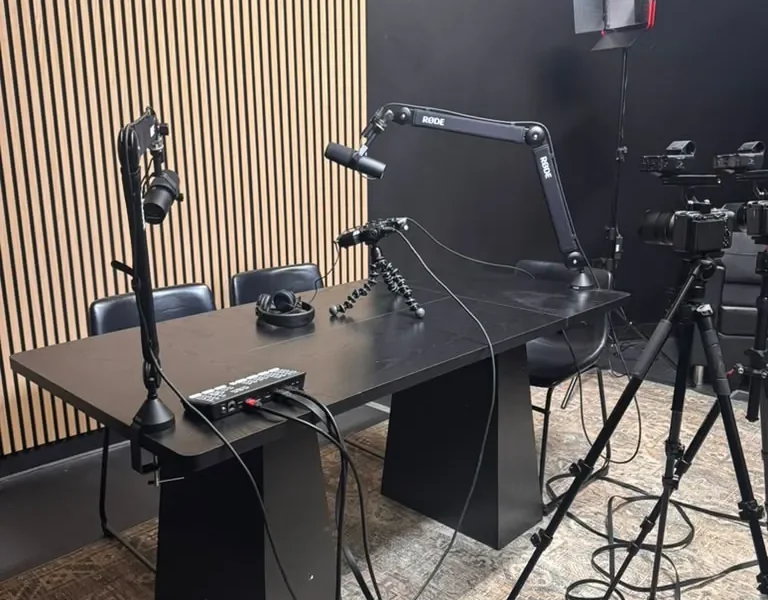
For businesses in Alpharetta and the surrounding Atlanta metropolitan area, World Park offers flexible office spaces and state-of-the-art media production studios, including professional podcast and video production facilities. Contact us today to learn how we can support your content creation needs.
FAQs
1. What are the benefits of using drones for real estate videography?
Drones provide unique aerial perspectives, enhance property visualization, and increase engagement with potential buyers.
2. Do I need a license to operate a drone for commercial purposes?
Yes, you must obtain a Remote Pilot Certificate from the FAA to operate a drone for commercial use.
3. What equipment do I need for drone videography?
You will need a quality drone, gimbals for stabilization, and editing software for post-production.
4. How can I ensure my drone footage is high quality?
Plan your shots, fly in optimal weather conditions, and experiment with different angles for the best results.
5. Are there restrictions on where I can fly a drone?
Yes, you need to be aware of restricted airspaces and no-fly zones, which can be checked using FAA resources.
6. What are some editing tips for drone footage?
Consider color grading, sound design, and smooth transitions to enhance your final video.
7. How can drone videography improve property marketing?
It allows for dynamic presentations, leading to increased inquiries and interest in properties.
8. What are the best times to film with a drone?
The golden hour, early morning or late afternoon, provides the best lighting conditions for filming.