
The Ultimate Guide to Corporate Event Videography: Capturing Milestones
In today’s fast-paced corporate environment, effective communication is more crucial than ever. Corporate event videography has emerged as a powerful tool for capturing conferences, summits, and significant company milestones. This guide will explore the ins and outs of corporate event videography, offering insights that will not only enhance your understanding but also help elevate your company’s brand presence. By the end of this article, you will gain valuable knowledge on how to leverage videography to immortalize your corporate events effectively.
What is Corporate Event Videography?
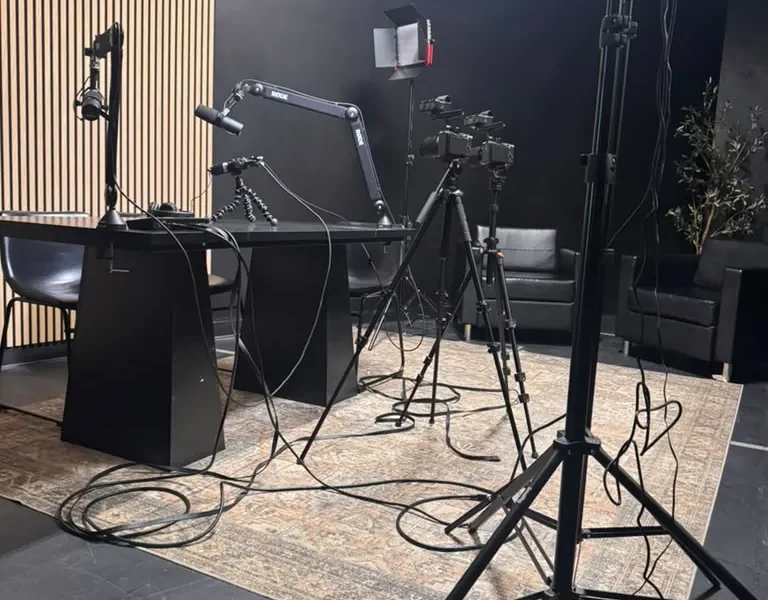
Corporate event videography refers to the process of recording and producing video content for corporate events. This can include conferences, product launches, seminars, and company celebrations. The goal is to create engaging video content that captures the essence and significance of these events, providing a visual record that can be used for marketing, training, or internal communication purposes.
Importance of Corporate Event Videography
In a world where visual content reigns supreme, corporate event videography plays a vital role in how businesses communicate their brand story. Here are some key reasons why investing in professional videography for corporate events is essential:
- Enhanced Engagement: Video content is more engaging than text or images alone. According to Forbes, people retain 95% of a message when they watch it in a video compared to only 10% when reading it in text.
- Brand Visibility: High-quality video content can significantly enhance your brand’s visibility. By sharing event highlights on social media platforms, you can reach a broader audience and create buzz around your brand.
- Documentation: Capturing key moments during corporate events allows companies to document their milestones, providing a resource for future reference and marketing efforts.
- Training and Development: Recorded events can be used as training materials for employees who could not attend, ensuring that everyone is on the same page.
Types of Corporate Events
Understanding the various types of corporate events is crucial for tailoring your videography approach. Here are some common event types:
- Conferences: Large gatherings that focus on discussions around a specific industry or topic.
- Summits: High-level meetings that bring together key stakeholders to discuss strategic initiatives.
- Product Launches: Events designed to unveil new products or services to the market.
- Company Milestones: Celebrations such as anniversaries, awards, and other significant achievements.
- Workshops and Training Sessions: Events aimed at skill development and knowledge sharing.
Key Elements of Successful Corporate Event Videography
To ensure that your corporate event videography is effective, focus on these key elements:
- Pre-Production Planning: This phase involves defining the objectives, target audience, and key messages of your video content. It’s essential to create a detailed plan that outlines the event schedule, key speakers, and specific moments you want to capture.
- High-Quality Equipment: Invest in professional-grade cameras, microphones, and lighting equipment. The quality of your video directly impacts its effectiveness.
- Skilled Crew: Hire experienced videographers who understand corporate events and can capture the right moments without being intrusive.
- Editing and Post-Production: Professional editing can transform raw footage into a polished final product. This includes color correction, sound editing, and the addition of graphics or text overlays.
Pre-Production Planning
Effective pre-production planning is crucial for successful corporate event videography. Here are the steps to ensure thorough preparation:
- Define Your Goals: Establish what you want to achieve with the video. Is it to promote the event, document the proceedings, or create training material?
- Identify Your Audience: Understanding who will watch the video will guide your style and content choices.
- Create a Shot List: List the key moments, speakers, and activities you want to capture during the event. This will help your videography team stay focused and organized.
- Scout the Venue: If possible, visit the event venue beforehand to identify the best locations for filming. Consider factors like lighting, background noise, and potential obstructions.
- Communicate with Event Coordinators: Work closely with event planners to ensure your videography aligns with the overall schedule and objectives.
Production Tips for Corporate Events
During the event, there are several tips to keep in mind to ensure high-quality videography:
- Use Multiple Cameras: This allows for capturing different angles and perspectives, making the final product more dynamic.
- Capture B-Roll Footage: In addition to main presentations, record B-roll footage of attendees interacting, networking, and engaging in activities. This adds depth to your video.
- Monitor Audio Quality: Clear audio is critical for understanding the content. Use high-quality microphones and perform sound checks before the event starts.
- Respect the Event Flow: Ensure that your videography does not disrupt the event. Be unobtrusive and professional while capturing footage.
Post-Production Process
After the event, the post-production process is where the magic happens. Here’s how to make the most of your footage:
- Organize Your Footage: Sort through the footage and categorize it based on your shot list. This makes the editing process more efficient.
- Edit for Clarity and Engagement: Cut unnecessary footage and focus on key moments that align with your goals. Add engaging transitions, graphics, and music to enhance the viewer’s experience.
- Seek Feedback: Before finalizing the video, share a draft with stakeholders to gather feedback and make necessary adjustments.
- Distribute Effectively: Once the video is complete, share it across various platforms, including social media, your website, and internal communication channels.
Case Studies: Successful Corporate Event Videography
To illustrate the power of corporate event videography, here are a couple of case studies that demonstrate its impact:
Case Study 1: Tech Conference Highlights
A leading technology firm hosted an annual conference featuring industry experts and innovative product launches. By hiring a professional videography team, they captured engaging highlights that showcased key presentations, networking opportunities, and attendee experiences. The final video was shared on social media, resulting in a 40% increase in engagement and a significant boost in brand awareness.
Case Study 2: Company Anniversary Celebration
A well-established corporation celebrated its 25th anniversary with a gala event. The videography team not only documented the festivities but also interviewed employees and executives about their experiences. The resulting video served as both a marketing tool and a heartfelt tribute to the company’s journey, reinforcing employee loyalty and pride.
Frequently Asked Questions
What is corporate event videography?
Corporate event videography involves recording and producing video content for corporate events such as conferences, summits, and company milestones.
Why is videography important for corporate events?
Videography enhances engagement, increases brand visibility, provides documentation, and serves as training material.
What types of events can benefit from videography?
Conferences, summits, product launches, company milestones, and workshops can all benefit from professional videography.
How can I ensure high-quality videography for my event?
Invest in professional-grade equipment, hire skilled videographers, and plan extensively in pre-production.
What should be included in the post-production process?
Organizing footage, editing for clarity, seeking feedback, and effective distribution are key components of post-production.
How do I distribute the final video?
Share the final video on social media, your website, and internal communication channels to maximize reach.
What are some common mistakes to avoid in corporate event videography?
Common mistakes include poor audio quality, lack of planning, and failing to capture B-roll footage.
How much does corporate event videography typically cost?
Costs vary depending on the complexity of the event, the equipment used, and the experience of the videographers. It’s best to request quotes from multiple providers.