
The Ultimate Guide to Running Personal Virtual Networking Events
In today’s digital age, virtual networking events have become a staple for professionals seeking to build connections, foster collaborations, and expand their professional circles. However, a common challenge faced by organizers is creating an experience that feels personal and engaging, despite the lack of physical presence. This article explores the best practices for running virtual networking events that feel personal, ensuring participants leave feeling connected and valued. By harnessing the right tools, techniques, and approaches, you can transform your virtual gatherings into memorable experiences that resonate with attendees.
The Importance of Personal Connections
Building personal connections is crucial in any networking scenario, and virtual events are no exception. According to a report by the Pew Research Center, 60% of adults believe that socializing and building relationships are essential for both personal and professional growth. In a virtual environment, these connections can sometimes feel superficial, making it imperative to implement strategies that foster genuine interactions.
Establishing personal connections leads to trust, collaboration, and opportunities for mentorship. It’s essential to create an environment where attendees feel comfortable sharing their ideas and experiences. This can be achieved through tailored approaches that prioritize individual engagement over mass interaction.
Choosing the Right Platform
The choice of platform can significantly impact the overall experience of your virtual networking event. Here are some popular options to consider:
| Platform | Features | Best For |
|---|---|---|
| Zoom | Breakout rooms, screen sharing, polls | Large groups, workshops |
| Hopin | Virtual stages, networking areas, expo booths | Large conferences, expos |
| Microsoft Teams | Integration with Microsoft Office, chat functionality | Corporate environments, teams |
| Gather | Customizable virtual spaces, avatars | Casual networking, social events |
| Discord | Voice channels, community engagement | Gaming, tech communities |
When selecting a platform, consider the following factors:
- User-friendliness: Ensure that the platform is easy to navigate for all participants.
- Interactive features: Look for platforms that offer tools for engagement, such as polls, Q&A sessions, and breakout rooms.
- Scalability: Choose a platform that can accommodate your expected number of attendees without compromising performance.
Pre-Event Planning
Effective pre-event planning sets the tone for a successful virtual networking experience. Here are key steps to consider:
Define Your Objectives
Clearly outline the goals of your event. Are you focusing on industry collaboration, mentorship, or job opportunities? Defining your objectives helps tailor the event to meet the needs of your audience.
Target Audience
Identify your target audience and tailor your messaging accordingly. Use platforms like LinkedIn to reach out to potential attendees who align with your event’s purpose.
Promote Your Event
Utilize various channels for promotion, including social media, email newsletters, and community forums. Highlight key speakers, topics, and the unique value attendees will gain from participating.
Engagement Strategy
Plan engagement strategies that encourage interaction during the event. Consider incorporating icebreakers or themed discussions to foster connections from the start.
Creating Engaging Content
The content of your event plays a vital role in keeping participants engaged. Here are some best practices:
Interactive Sessions
Incorporate interactive sessions that encourage participation. For example, use breakout rooms for small group discussions or workshops. This not only allows attendees to share their insights but also fosters deeper connections.
Speaker Selection
Invite speakers who are not only knowledgeable but also engaging. A charismatic speaker can elevate the energy of the event and encourage attendees to participate actively.
Use Visuals
Utilize visuals, such as slides or videos, to enhance your presentations. Engaging visuals help maintain attention and can make complex information easier to understand.
Real-Time Feedback
Gather real-time feedback through polls or surveys during the event. This not only helps gauge attendee satisfaction but also allows for immediate adjustments if necessary.
Facilitating Interaction During the Event
Creating opportunities for interaction during the event is crucial for fostering connections. Here are some strategies:
Structured Networking Sessions
Designate specific times for structured networking, where attendees can engage in focused discussions. This could include speed networking sessions where participants rotate between different breakout rooms.
Encourage Chat Participation
Encourage participants to use the chat function to share thoughts or ask questions. Designate a moderator to facilitate conversations and ensure that attendees feel heard.
Follow-Up Questions
After a speaker’s presentation, encourage attendees to ask follow-up questions. This not only clarifies information but also allows attendees to engage with the speaker directly.
Post-Event Follow-Up
The importance of follow-up cannot be overstated. It solidifies connections made during the event and opens the door for future collaborations. Consider the following:
Send Thank-You Notes
Send personalized thank-you emails to attendees, speakers, and sponsors. Acknowledging their participation fosters goodwill and encourages future engagement.
Share Resources
Provide attendees with access to recorded sessions, presentation slides, and additional resources related to the event topics. This adds value and reinforces the knowledge shared during the event.
Feedback Survey
Distribute a feedback survey to gather insights on attendee experiences. Use this information to improve future events and address any concerns raised.
Expert Tips for Success
Here are some key tips from industry experts:
- Be Authentic: Encourage speakers to share personal stories or experiences. Authenticity resonates with attendees and fosters deeper connections.
- Limit the Agenda: Focus on quality over quantity. Too many sessions can overwhelm attendees. Instead, prioritize a few high-quality discussions.
- Utilize Breaks: Schedule breaks to allow participants to recharge and network informally. This can lead to organic conversations that may not happen in a structured setting.
FAQ
What are the benefits of virtual networking events?
Virtual networking events offer flexibility, accessibility, and the ability to connect with a diverse audience across geographical locations.
How can I make my virtual networking event feel personal?
Utilize interactive features, encourage personal storytelling, and create smaller breakout sessions for more intimate discussions.
What platforms are best for hosting virtual networking events?
Popular platforms include Zoom, Hopin, and Gather, each offering unique features tailored for networking.
How do I promote my virtual networking event effectively?
Use social media, email newsletters, and community outreach to attract attendees, highlighting the event’s value and unique features.
What types of content should I include in my event?
Include interactive sessions, engaging speakers, and visual aids to enhance the attendee experience.
How can I gather feedback after the event?
Distribute surveys through email or social media to collect insights and improve future events.
What is the ideal length for a virtual networking event?
Typically, 1.5 to 3 hours is ideal, balancing engagement without overwhelming attendees.
How can I follow up with attendees after the event?
Send personalized thank-you notes, share recorded sessions, and distribute resources related to the event topics.
Conclusion
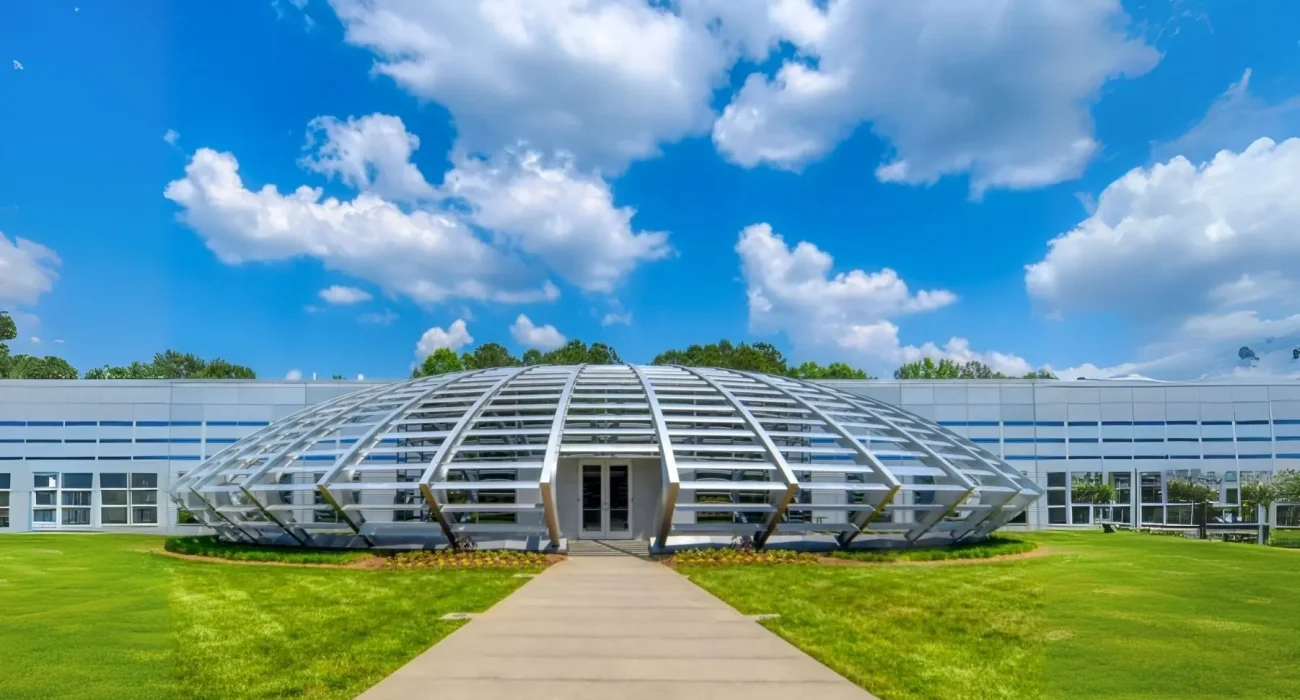
Running effective virtual networking events that feel personal requires thoughtful planning, the right tools, and a focus on attendee engagement. By implementing the best practices outlined in this guide, you can create a memorable experience that fosters meaningful connections. Remember to continuously seek feedback and adapt your approach to improve future events. At World Park, we offer a modern campus for startups and technology infrastructure, providing the perfect environment for networking and collaboration. If you’re looking for a space to host your next virtual networking event, contact us today to learn more about our offerings and how we can support your goals.