

The Ultimate Guide to Planning and Hosting a Successful Business Networking Event
Business networking events offer an invaluable opportunity for entrepreneurs, startups, and professionals to connect, collaborate, and grow their businesses. Whether you’re a seasoned networker or a first-time host, understanding how to plan and execute a successful networking event is crucial. In this comprehensive guide, you will learn everything you need to know about organizing a networking event that leaves a lasting impression and fosters meaningful connections. From choosing the right venue to crafting an engaging agenda, we will cover expert tips, actionable steps, and essential insights to ensure your event is a resounding success. Let’s dive in!
1. Understanding the Importance of Networking Events
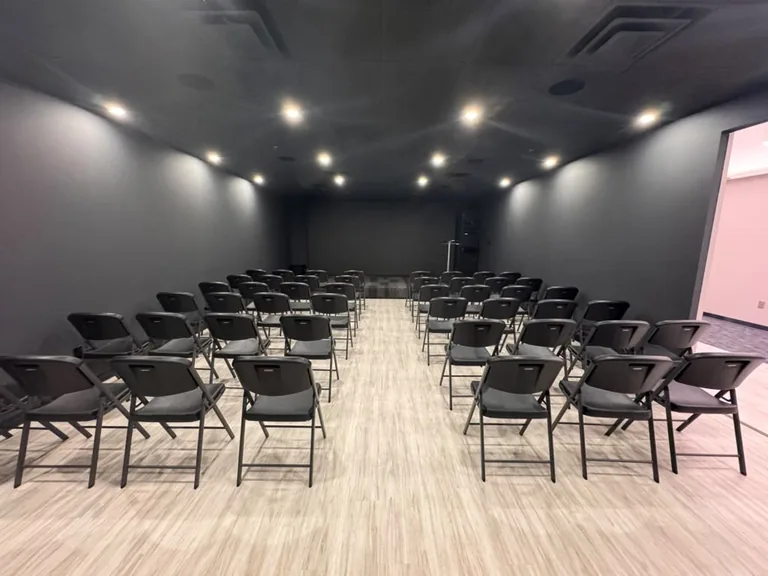
Networking events are more than just social gatherings; they are vital platforms for building relationships, exchanging ideas, and creating business opportunities. According to a study by Forbes, 85% of jobs are filled through networking. This statistic highlights the critical role that networking plays in career advancement and business growth.
In Alpharetta, GA, the startup ecosystem is thriving, making it an ideal location for hosting networking events that cater to entrepreneurs and professionals looking to connect. With venues like World Park, which offers modern coworking spaces and event facilities, you can create an environment conducive to collaboration and innovation.
2. Defining Your Event Goals
Before diving into the logistics of your networking event, it’s essential to define your goals. Understanding what you want to achieve will guide your planning process and help you measure success. Common objectives for networking events include:
- Building relationships with potential clients or partners
- Generating leads for your business
- Sharing knowledge and expertise within your industry
- Promoting your brand or services
Once you have established your goals, consider how they align with your target audience’s interests. For instance, if you’re targeting startups, focus on creating an event that encourages collaboration and innovation.
3. Choosing the Right Venue
The venue you select plays a crucial role in the success of your networking event. A well-chosen location can enhance the overall experience for attendees. Here are some factors to consider when selecting a venue:
- Accessibility: Ensure the venue is easily accessible by public transportation and has ample parking options.
- Capacity: Choose a space that can comfortably accommodate your expected number of attendees.
- Amenities: Look for venues that offer essential amenities, such as Wi-Fi, audiovisual equipment, and catering services.
- Atmosphere: The environment should reflect the tone of your event. For example, a casual networking mixer may benefit from a relaxed setting, while a formal business event may require a more professional atmosphere.
World Park in Alpharetta offers various options for hosting networking events, including meeting rooms and event spaces designed for collaboration and creativity. Explore their private office spaces and coworking environments to find the perfect venue for your event.
4. Crafting an Engaging Agenda
An engaging agenda is vital for keeping attendees interested and encouraging participation. Here are some tips for creating a compelling agenda:
- Icebreakers: Start with icebreaker activities to help attendees feel more comfortable and encourage networking. This could be as simple as a quick introduction round or a fun group activity.
- Panel Discussions: Invite industry experts to participate in panel discussions. This not only adds value to the event but also provides attendees with insights they can apply in their businesses.
- Networking Opportunities: Allocate time for informal networking, such as coffee breaks or lunch sessions, where attendees can mingle and connect.
- Workshops: Consider hosting workshops that cater to your audience’s interests. These interactive sessions can provide valuable skills and knowledge while fostering collaboration.
To illustrate the effectiveness of an engaging agenda, consider this comparison table:
| Agenda Type | Engagement Level | Networking Opportunities |
|---|---|---|
| Panel Discussion | High | Moderate |
| Workshop | Very High | High |
| Networking Mixer | Moderate | Very High |