The Complete Guide to Organizing Industry Panels and Expert Speaker Series
In today’s fast-paced business environment, industry panels and expert speaker series are invaluable tools for fostering knowledge sharing, networking, and innovation. Whether you are a startup, an established business, or a media production company, organizing such events can elevate your brand, enhance community engagement, and position you as a thought leader. This comprehensive guide will walk you through the essential steps and best practices for organizing successful industry panels and speaker series, ensuring that your events resonate with your target audience and provide lasting value. By the end of this guide, you will have a clear understanding of the planning, execution, and follow-up processes necessary to make your event a success.
Understanding the Importance of Industry Panels
Industry panels and expert speaker series serve multiple purposes. They provide a platform for knowledge exchange, foster collaboration, and encourage networking among professionals. These events can significantly enhance your company’s reputation and visibility, particularly in a competitive landscape like Alpharetta, Georgia, where innovation is at the forefront of the local economy. According to the Small Business Administration, engaging in community events can lead to increased brand loyalty and customer trust.
Defining Your Goals and Objectives
Before diving into the logistics of organizing an event, it’s crucial to establish clear goals and objectives. Consider the following questions:
- What do you hope to achieve with this panel or speaker series?
- Who is your target audience?
- What topics will resonate most with your attendees?
Defining your objectives will guide your decisions throughout the planning process, ensuring that every element of the event aligns with your goals. For instance, if your aim is to promote innovation in technology, you might focus on inviting speakers who are at the forefront of AI and machine learning, which aligns with World Park’s emphasis on technology infrastructure.
Selecting the Right Format
The format of your event can greatly influence its success. Consider the following formats:
| Format | Description | Advantages |
|---|---|---|
| Panel Discussion | A group of experts discussing a specific topic. | Encourages diverse opinions and audience engagement. |
| Keynote Speech | A single speaker delivering a focused presentation. | Allows for in-depth exploration of a subject. |
| Q&A Session | Audience members ask questions directly to speakers. | Promotes interaction and clarifies topics. |
| Workshop | Interactive session where participants actively engage in exercises. | Facilitates hands-on learning and networking. |
Choosing the right format will depend on your audience’s preferences and the nature of the content you wish to deliver. For instance, if you are targeting startups in Alpharetta, a panel discussion featuring local entrepreneurs could provide valuable insights and foster networking opportunities.
Identifying and Inviting Speakers
One of the most critical elements of your event is the speakers. Selecting the right experts can make or break your panel. Consider the following:
- **Relevance**: Ensure that the speakers’ expertise aligns with the topics you plan to cover.
- **Diversity**: Aim for a diverse group of speakers to provide a range of perspectives.
- **Engagement**: Look for speakers who are known for their ability to engage audiences.
Once you have identified potential speakers, reach out to them with a clear invitation that outlines the purpose of the event, the expected audience, and what they will gain from participating. Personalizing your outreach can significantly increase your chances of securing top-tier speakers.
Choosing the Venue and Logistics
The choice of venue is crucial for creating the right atmosphere for your event. Here are some factors to consider:
- **Capacity**: Ensure the venue can accommodate your expected audience size.
- **Accessibility**: The venue should be easily accessible for all attendees.
- **Amenities**: Consider the availability of audiovisual equipment, seating arrangements, and catering options.
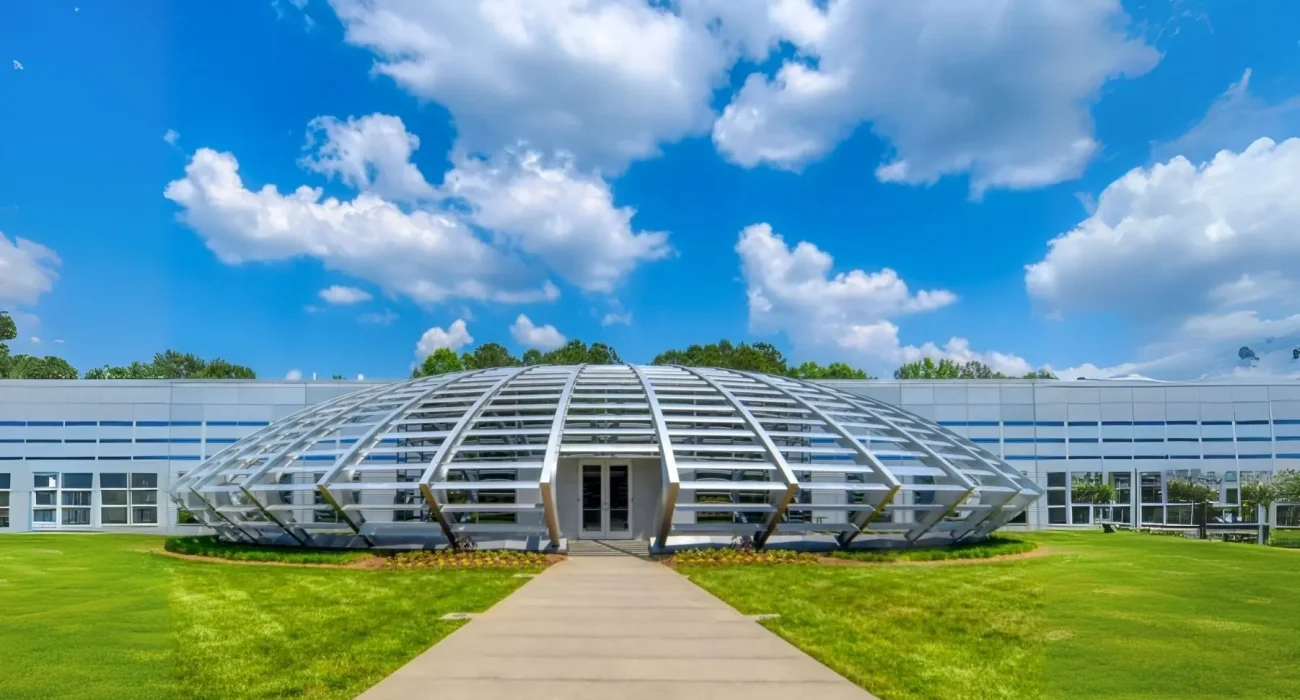
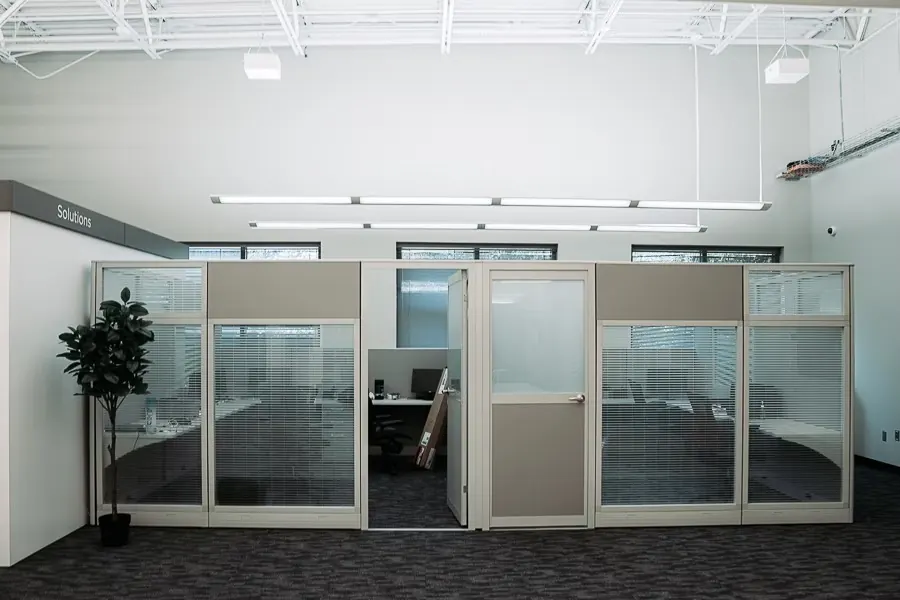
World Park offers modern meeting and conference rooms that are ideal for hosting industry panels and speaker series. With enterprise-grade technology infrastructure, your event can benefit from seamless presentations and discussions.
Promoting Your Event
Effective promotion is key to attracting attendees. Utilize a mix of online and offline channels:
- **Social Media**: Use platforms like LinkedIn, Twitter, and Facebook to reach your target audience.
- **Email Marketing**: Send out invitations and reminders to your mailing list.
- **Local Partnerships**: Collaborate with local businesses and organizations to promote your event.
Consider creating an event page on your website with all the details, including speaker bios, topics, and registration information. This will serve as a central hub for potential attendees.
Executing the Event
On the day of the event, ensure that everything runs smoothly. Here are some tips:
- **Arrive Early**: Set up the venue and test all equipment well before attendees arrive.
- **Engage the Audience**: Encourage questions and interaction throughout the event.
- **Follow the Agenda**: Stick to your planned schedule to respect attendees’ time.
Having a dedicated team to manage logistics and attendee engagement can help ensure a successful event. Consider assigning roles for registration, technical support, and audience engagement.
Post-Event Follow-Up
After the event, it’s essential to follow up with attendees and speakers. Consider the following actions:
- **Thank You Emails**: Send personalized thank you notes to speakers and attendees.
- **Feedback Surveys**: Gather feedback to understand what worked well and what could be improved.
- **Content Sharing**: Share recordings, presentations, and key takeaways from the event on your website or social media.
Post-event engagement can help maintain relationships and encourage attendees to participate in future events.
Expert Tips for Successful Panels
Here are additional expert tips:
- **Rehearse**: Schedule a rehearsal with your speakers to ensure they are familiar with the agenda and technology.
- **Create a Moderator Guide**: Provide moderators with a guide that includes key points, questions, and timing to ensure a smooth flow.
- **Network**: Encourage networking before and after the event to maximize connections among attendees.
Conclusion
Organizing industry panels and expert speaker series is a powerful way to foster knowledge sharing, build community, and position your brand as a thought leader. By following the steps outlined in this guide, you can create engaging and impactful events that resonate with your audience. Remember to focus on your objectives, select the right speakers, and promote your event effectively. With the right planning and execution, your event can facilitate valuable discussions and connections that extend beyond the day itself.
FAQs
What is an industry panel?
An industry panel is a discussion format where a group of experts share insights and perspectives on a specific topic, often followed by audience questions.
How do I choose the right speakers for my panel?
Consider the relevance of their expertise, their ability to engage with the audience, and the diversity of perspectives they can bring to the discussion.
What is the best format for a speaker series?
The best format depends on your goals and audience; options include keynote speeches, panel discussions, and workshops.
How can I promote my event effectively?
Utilize social media, email marketing, and local partnerships to reach your target audience and encourage attendance.
What should I include in a post-event follow-up?
Send thank you emails, gather feedback through surveys, and share event content to maintain engagement with attendees.
How can I ensure my event runs smoothly?
Arrive early, have a dedicated team in place, and stick to your agenda to ensure a successful execution.
What are some common challenges in organizing panels?
Common challenges include securing speakers, ensuring audience engagement, and managing logistics effectively.
Why are industry panels important?
They facilitate knowledge sharing, networking opportunities, and enhance community engagement within specific industries.