The Ultimate Guide to Planning a Startup Demo Day or Pitch Night
Planning a successful startup demo day or pitch night is essential for entrepreneurs seeking to attract investors, partners, and customers to their innovative ideas. As the startup ecosystem continues to flourish, particularly in vibrant hubs like Alpharetta, Georgia, understanding the intricacies of organizing these events can be the key to unlocking potential funding and growth opportunities. In this comprehensive guide, we will delve into the essential steps to plan an impactful demo day or pitch night, share actionable tips, and provide insights from industry experts.
Understanding the Purpose of a Demo Day

A demo day serves as a platform for startups to showcase their products or services to a curated audience of potential investors, industry experts, and other stakeholders. The primary goal is to secure funding, build partnerships, and gather feedback. According to a report by the SBA, small businesses account for 99.9% of all U.S. businesses, emphasizing the importance of such events in supporting entrepreneurial growth.
Essential Elements of a Successful Pitch Night
To ensure a successful pitch night, several key elements must be considered:
- Engaging Presentations: Each startup should prepare a compelling presentation that clearly articulates their value proposition, market opportunity, and business model.
- Networking Opportunities: Facilitate interactions between startups and attendees to foster connections that could lead to investment or collaboration.
- Judging Criteria: Establish clear criteria for evaluating pitches, which can include innovation, market potential, and the team’s expertise.
- Feedback Mechanism: Provide a structured way for attendees to offer feedback to startups, helping them improve their pitches and products.
Steps to Plan Your Startup Demo Day
Planning a successful demo day involves several critical steps:
- Define Your Goals: Determine what you want to achieve with the event, such as funding, partnerships, or community engagement.
- Identify Your Target Audience: Tailor the event to attract the right attendees, including investors, mentors, and industry influencers.
- Set a Date and Time: Choose a date that does not conflict with other major events in the startup ecosystem.
- Create a Budget: Outline all potential costs, including venue rental, marketing, catering, and technology needs.
- Assemble Your Team: Gather a team to help with logistics, marketing, and event management.
Choosing the Right Venue for Your Event
The venue is a crucial aspect of your demo day. Here are some factors to consider:
- Capacity: Ensure the venue can accommodate your expected number of attendees.
- Accessibility: Choose a location that is easily accessible for all participants, especially for those traveling from outside of Alpharetta.
- Technology Infrastructure: Verify that the venue is equipped with necessary technology, such as audio-visual equipment and high-speed internet.
- Aesthetic Appeal: Select a space that reflects the innovative spirit of your startups, creating a professional atmosphere.
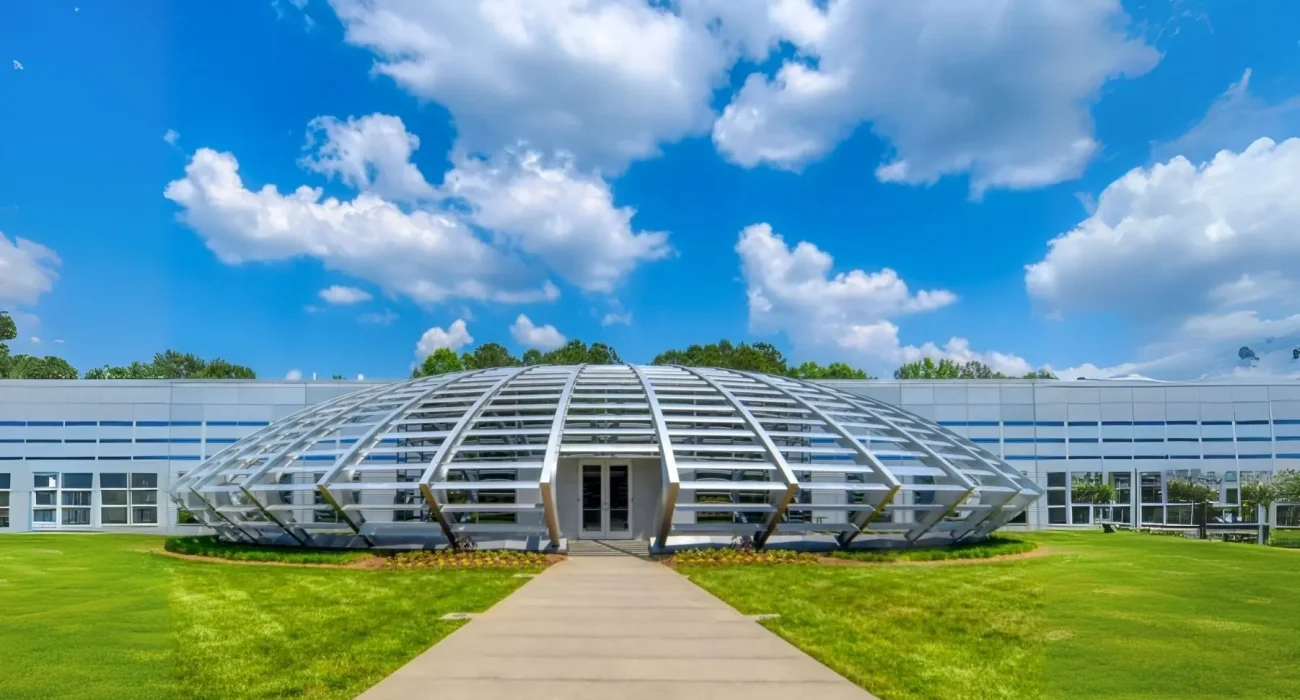
For instance, World Park in Alpharetta offers modern coworking spaces and meeting rooms that can serve as an ideal venue, providing a professional backdrop for your event. Learn more about our coworking spaces.
Marketing Your Demo Day Effectively
Effective marketing is key to attracting the right audience. Here are some strategies to consider:
- Leverage Social Media: Utilize platforms such as LinkedIn, Twitter, and Facebook to promote your event and engage with your target audience.
- Email Campaigns: Send personalized invitations to your network and potential attendees to generate interest.
- Partner with Local Organizations: Collaborate with local chambers of commerce, startup incubators, or universities to reach a broader audience.
Preparing Startups for Their Pitch
Successful pitches require preparation. Here are some expert tips for startups:
Additionally, they should focus on:
- Clarity: Ensure that the pitch is clear and concise, ideally under 10 minutes.
- Visual Aids: Use slides or prototypes to enhance the presentation but avoid overcrowding slides with information.
- Rehearsal: Conduct full run-throughs in the actual venue to familiarize themselves with the space and technology.
Post-Event Follow-Up Strategies
The work doesn’t end once the demo day concludes. Implement the following strategies:
- Thank Attendees: Send thank-you emails to all attendees, expressing gratitude for their participation.
- Share Feedback: Compile feedback received during the event and share it with the participating startups.
- Maintain Connections: Encourage startups to follow up with leads and connections made during the event.
Frequently Asked Questions
What is a startup demo day?
What is a startup demo day?
A startup demo day is an event where startups present their business ideas to potential investors and stakeholders to attract funding and partnerships.
How long should a pitch be?
A pitch should typically be between 5 to 10 minutes, allowing time for questions and answers afterward.
What should I include in my pitch?
Include your value proposition, market analysis, business model, and team expertise in your pitch.
How do I attract investors to my demo day?
Use targeted marketing strategies, leverage your network, and partner with local organizations to attract investors to your demo day.
What is the best way to prepare for a pitch?
Practice your pitch multiple times, seek feedback, and familiarize yourself with the venue and technology.
What follow-up actions should I take after the event?
Send thank-you emails, share feedback with startups, and encourage maintaining connections made during the event.
How can I improve my startup’s chances of success at a demo day?
Focus on delivering a clear and engaging pitch, leveraging your network, and actively engaging with attendees.
Where can I find resources to help me plan my demo day?
Consider resources from local incubators, chambers of commerce, and online guides that specialize in startup events.
Conclusion
Planning a startup demo day or pitch night is a multifaceted endeavor that requires careful preparation and execution. By understanding the purpose, essential elements, and strategic steps involved, you can create an impactful event that not only showcases innovative ideas but also fosters connections and growth within the startup ecosystem. For those looking to elevate their startup experience, consider utilizing modern coworking spaces and technology infrastructure like those offered at World Park in Alpharetta, where innovation thrives.