
The Ultimate Guide to Running a Dual-Format Podcast and Video Show
In the ever-evolving landscape of content creation, blending audio and visual formats has emerged as a powerful strategy to engage audiences effectively. With the rise of platforms like YouTube and the increasing consumption of video content, creators are now seeking ways to maximize their reach and impact. This comprehensive guide will delve into the intricacies of running a dual-format show—combining podcasting and video production—from a single studio session. By the end of this article, you will learn how to optimize your workflow, enhance audience engagement, and leverage top-notch production techniques to create compelling content that resonates with your audience.
Understanding Dual-Format Shows
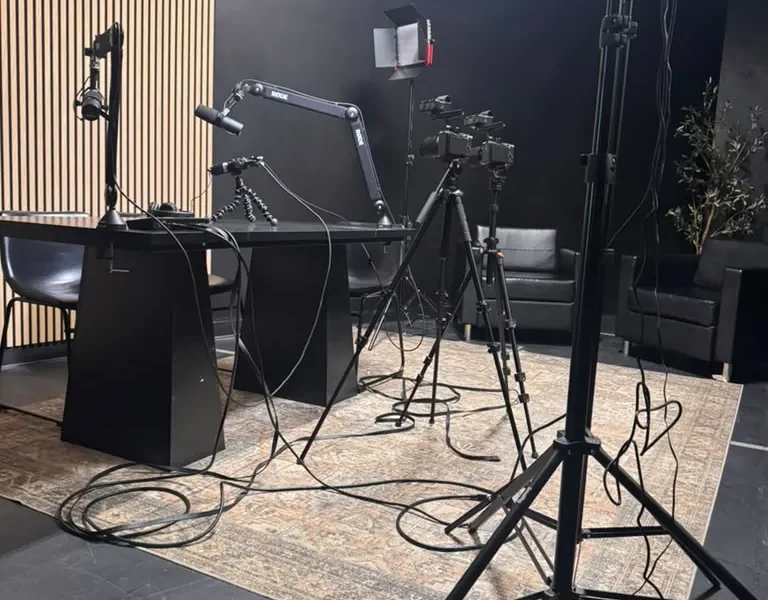
A dual-format show combines the elements of a podcast and a video series, allowing creators to deliver content in both audio and visual formats simultaneously. This approach caters to diverse audience preferences, as some individuals prefer listening to podcasts during their commute, while others engage with video content for a more immersive experience. By leveraging both formats, creators can expand their reach and maximize engagement.
According to a Statista report, the number of podcast listeners in the U.S. is projected to reach 125 million by 2024. Meanwhile, video content continues to dominate, with platforms like YouTube boasting over 2 billion logged-in users monthly. This data underscores the significance of adopting a dual-format strategy to tap into these growing audiences.
Setting Up Your Studio
To successfully run a dual-format show, the first step is to set up a studio that accommodates both audio and video recording. Here are key considerations for creating a versatile studio environment:
- Location: Choose a quiet space with minimal background noise and distractions. World Park’s coworking spaces in Alpharetta offer modern private offices and soundproof studios ideal for recording.
- Equipment: Invest in high-quality recording equipment, including microphones, cameras, lighting, and audio interfaces. A dual-format setup often requires a combination of audio and video gear to ensure professional-quality output.
- Acoustic Treatment: Enhance sound quality by adding acoustic panels to reduce echo and background noise. This is crucial for both podcasting and video production.
- Visual Elements: Consider the aesthetics of your video backdrop. A clean, professional-looking background enhances the visual appeal of your content.
Pre-Production Planning
Effective pre-production planning is essential for the success of your dual-format show. Here are the steps to follow:
- Define Your Audience: Understanding your target audience is crucial for tailoring content that resonates with them. Consider demographics, interests, and preferred content formats.
- Content Strategy: Develop a content calendar outlining episode topics, guest appearances, and release schedules. This ensures consistency and keeps your audience engaged.
- Scriptwriting: Write a script or outline for each episode, including key points and transitions. This will help maintain a structured flow during recording.
- Guest Coordination: If featuring guests, reach out well in advance to schedule interviews and discuss topics. Ensure they are comfortable with both the audio and video formats.
Recording Your Show
Once your studio is set up and pre-production planning is complete, it’s time to record your show. Here’s how to approach the recording process:
- Check Equipment: Before hitting the record button, double-check all equipment settings, ensuring microphones and cameras are functioning correctly.
- Record in Segments: Consider recording in segments to make editing easier. This allows you to focus on one topic at a time without losing momentum.
- Engage with the Audience: Whether you’re in front of a camera or speaking into a microphone, maintain eye contact and engage with your audience. Use a conversational tone to create a more personal connection.
- Monitor Audio Levels: Keep an eye on audio levels during recording to prevent distortion. Aim for a balanced mix of voice and background sounds.
Editing for Both Formats
Editing is a crucial step in creating polished content for your dual-format show. Here’s how to effectively edit for both podcast and video formats:
- Audio Editing: Use audio editing software to enhance sound quality, remove background noise, and balance audio levels. Tools like Adobe Audition or Audacity are excellent options.
- Video Editing: For video editing, software like Adobe Premiere Pro or Final Cut Pro can help you create engaging visuals. Incorporate graphics, titles, and transitions to enhance the viewing experience.
- Syncing Audio and Video: Ensure that the audio and video tracks are perfectly synced. This is crucial for maintaining a professional quality in your dual-format show.
Distributing Your Content
After editing, it’s time to distribute your content across various platforms. Here’s how to effectively share your dual-format show:
- Podcast Hosting: Choose a reliable podcast hosting service to distribute your audio content. Popular options include Libsyn and Buzzsprout.
- Video Platforms: Upload your video content to platforms like YouTube and Vimeo. Optimize video titles, descriptions, and tags for SEO to increase visibility.
- Social Media Promotion: Leverage social media channels to promote your episodes. Create teaser clips, behind-the-scenes content, and engaging posts to attract viewers and listeners.
Promoting Your Dual-Format Show
Effective promotion is key to growing your audience. Here are strategies to promote your dual-format show:
- Cross-Promotion: Promote your podcast on your video channel and vice versa. Encourage your audience to engage with both formats for a more comprehensive experience.
- Email Marketing: Build an email list and send out newsletters featuring episode updates, exclusive content, and links to your podcast and videos.
- Collaborations: Collaborate with other creators in your niche to reach a wider audience. Guest appearances can introduce your show to new listeners and viewers.
- Engagement: Encourage audience interaction by prompting them to leave comments, ask questions, and share their thoughts on your episodes.
FAQ
1. What equipment do I need for a dual-format show?
For a dual-format show, you will need quality microphones, cameras, lighting, and audio interfaces. Consider investing in a soundproof studio setup for optimal results.
2. How can I ensure good audio quality in my podcast?
To ensure good audio quality, use high-quality microphones, conduct sound checks, and edit your audio for background noise and volume balance.
3. Is it necessary to have a script for my show?
While not mandatory, having a script or outline helps maintain a structured flow and keeps you on track during recording.
4. How can I promote my dual-format show effectively?
Promote your show through social media, email marketing, cross-promotion between podcast and video formats, and collaborations with other creators.
5. What editing software is recommended for podcasts and videos?
For audio editing, consider Adobe Audition or Audacity. For video editing, Adobe Premiere Pro and Final Cut Pro are excellent options.
6. How often should I release new episodes?
Consistency is key. Determine a release schedule that works for you, whether weekly, bi-weekly, or monthly, and stick to it.
7. Can I record a podcast and video simultaneously?
Yes, recording both formats simultaneously is an efficient way to maximize your content creation process.
8. What are the benefits of a dual-format show?
A dual-format show allows you to reach a broader audience, cater to different content preferences, and enhance engagement through varied formats.
9. How do I sync audio and video during editing?
During editing, align the audio and video tracks by matching the waveforms. Use editing software features to ensure they are perfectly synced.
10. What platforms should I use to host my podcast?
Popular podcast hosting platforms include Libsyn, Buzzsprout, and Podbean, which facilitate distribution across various podcast directories.
11. How can I measure the success of my dual-format show?
Track metrics such as downloads, views, listener engagement, and social media interactions to evaluate your show’s success.
12. Should I invest in professional editing services?
If your budget allows, professional editing can significantly enhance the quality of your content, making it more appealing to your audience.
Conclusion
Running a dual-format podcast and video show from a single studio session is a rewarding endeavor that can significantly boost your content reach and audience engagement. By following the steps outlined in this guide—from setting up your studio to effective promotion—you can create high-quality content that resonates with both audio and visual audiences. At World Park, we offer professional podcast and video production studios that are designed to help you bring your creative vision to life. Start your journey today and unlock the potential of dual-format content creation.