
Edge Computing vs. Traditional Cloud: Essential Insights for Georgia Businesses in 2026
As we step into 2026, businesses in Georgia are presented with a pivotal decision: to continue relying on traditional cloud computing or to embrace the innovative potential of edge computing. In an era where data generation is skyrocketing, understanding the differences between these two paradigms is critical for any organization looking to optimize operations and harness the full power of their technological investments. This article will delve into the nuances of edge computing and traditional cloud solutions, highlighting the unique benefits and considerations each presents for businesses in the Atlanta metropolitan area and beyond. By the end of this comprehensive guide, you will gain actionable insights to make informed decisions regarding your technology infrastructure.
1. Understanding Edge Computing
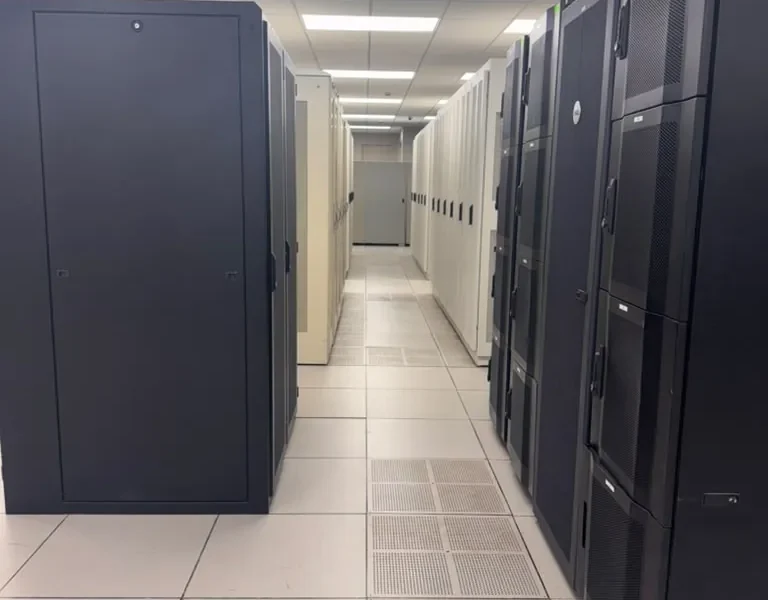
Edge computing refers to a distributed computing paradigm that brings computation and data storage closer to the location where it is needed, thereby improving response times and saving bandwidth. Unlike traditional cloud computing, which relies on centralized data centers, edge computing processes data at or near the source of data generation, such as IoT devices and local servers.
The rise of edge computing is driven by the increasing demand for real-time data processing and analytics. For instance, industries such as manufacturing, healthcare, and retail are leveraging edge computing to enhance operational efficiency, reduce latency, and improve customer experiences. According to a report by Gartner, by 2025, 75% of enterprise-generated data will be created and processed outside a traditional centralized data center.
2. The Traditional Cloud Computing Model
Traditional cloud computing involves storing and processing data in centralized data centers managed by cloud service providers (CSPs). This model allows businesses to access scalable resources over the internet, enabling them to store vast amounts of data and run applications without the need for on-premises infrastructure. Major players in this space include Amazon Web Services (AWS), Google Cloud, and Microsoft Azure.
While the traditional cloud model offers flexibility and cost-efficiency, it also presents challenges, such as latency issues and potential downtime due to reliance on internet connectivity. Moreover, security concerns regarding data breaches and compliance with regulations like GDPR and HIPAA must be addressed.
3. Comparing Edge Computing and Traditional Cloud
To better understand the differences between edge computing and traditional cloud solutions, let’s examine a comparison table:
| Feature | Edge Computing | Traditional Cloud |
|---|---|---|
| Data Processing Location | Near the data source (e.g., IoT devices) | Centralized data centers |
| Latency | Low latency, near-real-time processing | Higher latency due to distance |
| Scalability | Scalable to local resources | Scalable via centralized resources |
| Security | Localized security measures | Centralized security protocols |
| Use Cases | IoT, autonomous vehicles, remote monitoring | Web applications, data storage, enterprise software |
4. Benefits of Edge Computing for Georgia Businesses
Georgia businesses can significantly benefit from adopting edge computing solutions. Here are some of the key advantages:
- Enhanced Performance: By processing data closer to its source, edge computing minimizes latency, resulting in faster response times and improved application performance.
- Reduced Bandwidth Costs: With less data needing to be transmitted to centralized servers, businesses can save on bandwidth costs, making edge computing a cost-effective solution.
- Improved Security: Localized data processing allows for better control over data security, reducing the risk of breaches associated with centralized data storage.
- Real-Time Analytics: Edge computing enables real-time data analysis, empowering businesses to make informed decisions quickly.
- Scalability: As businesses grow, edge solutions can be easily scaled to accommodate increased data processing needs without significant infrastructure changes.
5. Challenges and Considerations
While edge computing presents numerous advantages, it is essential to consider the potential challenges:
- Infrastructure Costs: Setting up edge computing infrastructure may require upfront investments in hardware and software.
- Complexity: Managing a distributed computing environment can be more complex than traditional cloud solutions, requiring specialized knowledge and skills.
- Integration Issues: Businesses must ensure that their existing systems can integrate seamlessly with edge computing solutions.
As companies in Georgia consider transitioning to edge computing, they should also explore consulting services for operational excellence, such as those offered by World Park.
6. Making the Transition: Steps for Businesses
For businesses looking to transition to edge computing, here are some actionable steps to consider:
- Assess Your Needs: Evaluate your current infrastructure and determine if edge computing aligns with your business goals.
- Identify Use Cases: Pinpoint specific areas where edge computing can enhance operations, such as IoT applications or real-time analytics.
- Choose the Right Technology: Research and select edge computing platforms that fit your requirements.
- Implement Gradually: Start with pilot projects to test edge computing capabilities before a full-scale rollout.
- Monitor and Optimize: Continuously monitor performance and make adjustments as necessary to maximize efficiency.
7. Real-World Applications in Georgia
Several Georgia businesses are already reaping the benefits of edge computing. For instance, companies in the logistics sector are utilizing edge devices to track shipments in real time, enhancing supply chain visibility and efficiency. Additionally, healthcare providers are implementing edge computing to process patient data at the point of care, improving response times and patient outcomes.
Furthermore, the rise of smart cities in Georgia is leading to increased adoption of edge computing technologies for traffic management, public safety, and environmental monitoring.
8. Conclusion
As Georgia businesses navigate the technological landscape in 2026, understanding the differences between edge computing and traditional cloud solutions is essential for making informed decisions. While both models have their merits, edge computing offers unique advantages that can enhance operational efficiency, reduce costs, and improve security.
For companies ready to embrace innovation, exploring edge computing solutions can position them for success in an increasingly data-driven world. At World Park, we provide modern coworking environments and technology infrastructure tailored to empower startups and growing businesses. Learn more about our flexible office spaces and technology solutions by visiting World Park’s coworking spaces.
9. FAQ
What is edge computing?
Edge computing is a distributed computing model that processes data closer to the source, such as IoT devices, to reduce latency and improve performance.
How does edge computing differ from traditional cloud computing?
Edge computing processes data locally, while traditional cloud computing relies on centralized data centers for data storage and processing.
What are the benefits of edge computing for businesses?
Benefits include enhanced performance, reduced bandwidth costs, improved security, real-time analytics, and scalability.
What challenges does edge computing present?
Challenges include infrastructure costs, complexity, and integration issues with existing systems.
How can businesses transition to edge computing?
Businesses should assess their needs, identify use cases, select the right technology, implement gradually, and monitor performance.
What industries can benefit from edge computing?
Industries such as manufacturing, healthcare, logistics, and smart cities can significantly benefit from edge computing solutions.
Is edge computing secure?
Edge computing can enhance security by allowing businesses to control data processing locally, reducing the risk of breaches associated with centralized systems.
How can World Park assist with edge computing solutions?
World Park offers a modern campus for startups, media production, and technology infrastructure, providing resources to help businesses transition to innovative solutions.
- Why Alpharetta Is Emerging as a Major Data Center Hub in the Southeast
- Ultimate Guide to Designing High-Availability Architecture for Mission-Critical Applications
- Ultimate Guide to Cloud GPU Computing for AI Training & Rendering
- Data Sovereignty and Cloud Storage: Essential Insights for Georgia Businesses
- On-site data center colocation and disaster recovery