The Ultimate Business Case for Green Technology and Sustainable Data Centers
As the world increasingly shifts towards sustainability, the business case for green technology and sustainable data centers has never been clearer. Companies are recognizing that integrating eco-friendly practices not only benefits the environment but also enhances operational efficiency and drives profitability. In this comprehensive guide, we will explore the various aspects of sustainable data centers, the benefits of green technology, and why businesses, particularly startups and tech-oriented companies, should prioritize these initiatives.
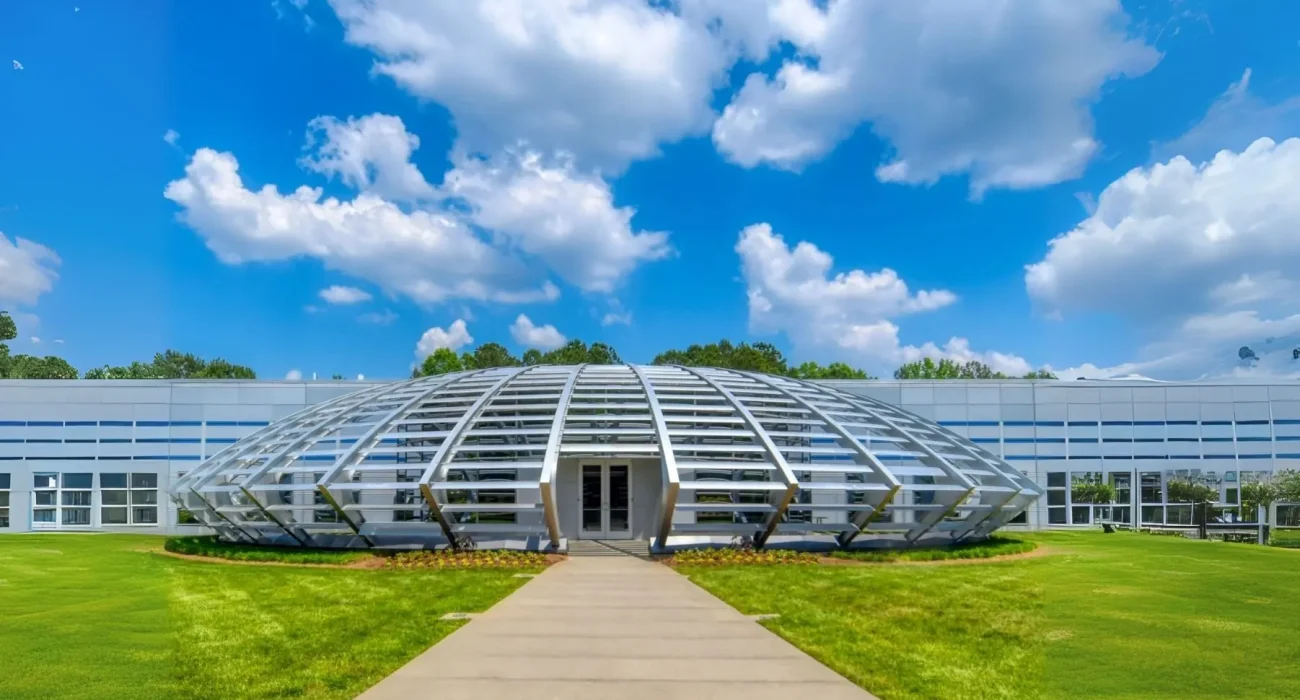
By the end of this article, you will understand how adopting green technology can yield financial savings, improve brand reputation, and contribute to a sustainable future. We will also delve into how organizations like World Park in Alpharetta, GA, are pioneering this shift through modern coworking spaces and advanced data center solutions.
What is Green Technology?
Green technology refers to the use of technology and science to create products and services that are environmentally friendly and sustainable. This encompasses a wide range of practices, including renewable energy sources, energy-efficient appliances, sustainable agriculture, and eco-friendly manufacturing processes. The goal of green technology is to reduce human impact on the environment while promoting economic growth.
The Importance of Sustainable Data Centers
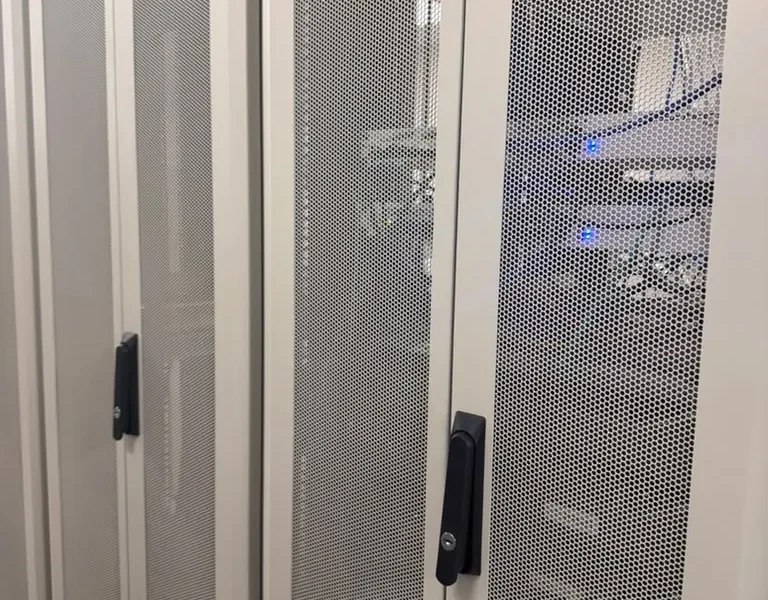
Data centers are the backbone of modern businesses, hosting critical applications and storing vast amounts of data. However, traditional data centers consume enormous amounts of energy and contribute significantly to carbon emissions. According to the U.S. Department of Energy, data centers account for about 2% of the total electricity consumed in the United States, which translates to millions of tons of carbon dioxide emissions.
Adopting sustainable data center practices is essential not only for reducing environmental impact but also for enhancing operational efficiency. Sustainable data centers leverage energy-efficient systems, renewable energy sources, and advanced cooling technologies to minimize energy consumption and carbon footprints. By integrating these practices, companies can significantly lower their operational costs while contributing positively to the environment.
Benefits of Green Technology in Business
Implementing green technology offers numerous advantages for businesses, especially for startups and tech-driven organizations. Here are some key benefits:
- Cost Savings: By utilizing energy-efficient technologies and renewable energy sources, businesses can reduce their energy bills. For instance, transitioning to LED lighting and energy-efficient HVAC systems can lead to significant savings.
- Enhanced Brand Reputation: Companies that prioritize sustainability often enjoy a better public image. Consumers are increasingly drawn to brands that demonstrate environmental responsibility, leading to increased customer loyalty.
- Regulatory Compliance: With governments worldwide imposing stricter environmental regulations, adopting green technology helps businesses stay compliant and avoid potential fines.
- Attracting Investment: Investors are increasingly focusing on sustainable businesses. Implementing green practices can attract venture capital and other funding opportunities.
- Operational Efficiency: Sustainable technologies often lead to improved efficiency and productivity, as they streamline operations and reduce waste.
Designing a Green Data Center
Designing a sustainable data center involves several critical components:
Energy Efficiency
Data centers should be designed with energy efficiency in mind. This includes using energy-efficient servers, optimizing cooling systems, and implementing advanced power management solutions.
Renewable Energy Sources
Incorporating renewable energy sources, such as solar or wind power, can significantly reduce a data center’s carbon footprint. Organizations can invest in on-site renewable energy generation or purchase renewable energy credits (RECs) to offset their energy consumption.
Efficient Cooling Systems
Cooling systems are a major source of energy consumption in data centers. Using innovative cooling techniques, such as liquid cooling or free-air cooling, can drastically reduce energy usage while maintaining optimal operating conditions for servers.
Waste Reduction
Implementing practices to minimize waste, such as recycling old equipment and utilizing virtualization technologies, can contribute to a more sustainable data center.
Case Studies: Successful Implementation
Several organizations have successfully implemented green technology and sustainable data centers:
Google has been a pioneer in green technology, committing to operate its data centers on 100% renewable energy. The company has invested heavily in renewable energy projects and employs advanced cooling techniques to minimize energy consumption.
Microsoft
Microsoft has made significant strides in sustainability by committing to being carbon negative by 2030. The company has implemented innovative cooling and energy-efficient technologies in its data centers while investing in reforestation projects to offset its carbon emissions.
Facebook’s data center in Prineville, Oregon, is designed to be energy efficient and powered by renewable energy. The facility employs advanced cooling systems and has achieved LEED certification for its sustainable design.
Challenges and Solutions in Going Green
While the benefits of green technology and sustainable data centers are clear, businesses may face challenges in implementation:
Initial Capital Investment
Transitioning to green technology often requires a significant initial investment. However, companies can mitigate this by seeking grants, incentives, and financing options specifically for sustainability initiatives.
Technical Expertise
Many businesses may lack the technical expertise needed to implement green technologies. Partnering with experts in the field, such as consulting firms specializing in operational excellence, can provide valuable guidance.
Regulatory Hurdles
Navigating regulations can be challenging. Staying informed about local, state, and federal regulations is essential for compliance. Resources like EPA Green Building can provide insights into regulatory requirements.
The Future of Green Technology and Data Centers
The future of green technology and sustainable data centers looks promising. As technology continues to evolve, we can expect to see:
- Increased Adoption of AI and Machine Learning: AI can optimize energy usage in data centers, predicting peak usage times and adjusting accordingly.
- More Innovations in Cooling Technologies: Ongoing research will lead to even more efficient cooling methods, further reducing energy consumption.
- Integration with Smart Grids: Data centers will increasingly connect with smart grids, allowing for better energy management and sustainability.
- Growth of Green Certifications: More organizations will pursue certifications such as LEED, which will encourage sustainable building practices.
Frequently Asked Questions
1. What is green technology?
Green technology refers to environmentally friendly innovations that promote sustainability and reduce human impact on the planet.
2. Why are sustainable data centers important?
Sustainable data centers minimize energy consumption and reduce carbon emissions, contributing to a healthier environment while enhancing operational efficiency.
3. What are the benefits of adopting green technology?
Benefits include cost savings, enhanced brand reputation, regulatory compliance, attracting investment, and improved operational efficiency.
4. How can businesses transition to green technology?
Businesses can transition by investing in energy-efficient systems, utilizing renewable energy sources, and seeking expert guidance.
5. What are some challenges in implementing sustainable practices?
Challenges include initial capital investment, lack of technical expertise, and navigating regulatory requirements.
6. How do renewable energy sources impact data centers?
Renewable energy sources reduce the carbon footprint of data centers and can lead to significant cost savings in energy bills.
7. What role does cooling technology play in sustainable data centers?
Cooling technology is crucial as it accounts for a significant portion of energy consumption; efficient cooling systems can drastically reduce energy usage.
8. How can I learn more about green technology initiatives?
Resources such as the U.S. Department of Energy provide valuable insights and information on green technology initiatives.
Conclusion
In conclusion, the business case for green technology and sustainable data centers is robust. By embracing these practices, organizations not only contribute positively to the environment but also enhance their operational efficiency and brand reputation. Companies like World Park in Alpharetta, GA, are leading the charge in providing modern, sustainable workspace solutions that empower startups and tech-driven organizations. As we move towards a greener future, the integration of sustainable practices will be pivotal for businesses looking to thrive in the digital age.